Ear Correction Surgery (Otoplasty) Who is a Good Candidate?
Ear Correction Surgery (Otoplasty) Who is a Good Candidate is an article that aims to give you all the information you do not know about Ear Correction Surgery and more. We kindly shared the main headings with you;
Who is an ideal candidate for otoplasty, and at what age can the surgery be safely performed?
Otoplasty, or ear correction surgery, is chosen by people who want to improve the look of their ears and feel more comfortable with their appearance. This procedure is suitable for individuals who have ears that stick out, irregular ear shape, or visible differences between the two ears. Many patients decide on this surgery to achieve better facial balance and increased self confidence.
Good candidates are people in stable physical health who can follow recovery instructions. Skin quality, cartilage strength, and general healing ability also affect the success of the procedure. Emotional readiness is important, especially for younger patients. Understanding the process and having realistic expectations help create satisfying results.
Children can safely undergo ear correction surgery from around 5 or 6 years old. At this age, ear growth is mostly complete, allowing long lasting shaping. Early treatment can reduce social discomfort, school teasing, and emotional stress. Children often recover quickly and adapt easily to their new appearance.
Adults also benefit greatly from otoplasty. Many people wait until later in life to address ear concerns that have existed for years. There is no fixed age limit for this surgery. As long as a person is healthy and suitable for anesthesia, successful results can be achieved. Adult patients often report improved confidence in social and professional settings after treatment.
Healing is usually comfortable and quick. Mild swelling and tenderness may appear during the first days. Most patients return to daily routines within a short time. Modern surgical techniques allow natural results with minimal scarring, making otoplasty a popular cosmetic option.
Ear correction surgery offers a safe, reliable, and effective way to improve ear shape at almost any age, providing both aesthetic and emotional benefits.

Can otoplasty correct both protruding ears and ear asymmetry?
Yes, otoplasty is a highly effective cosmetic procedure that can correct both protruding ears and ear asymmetry. At Medical Center, this surgery is carefully planned to create a balanced, natural, and harmonious ear appearance that fits the patient’s facial structure.
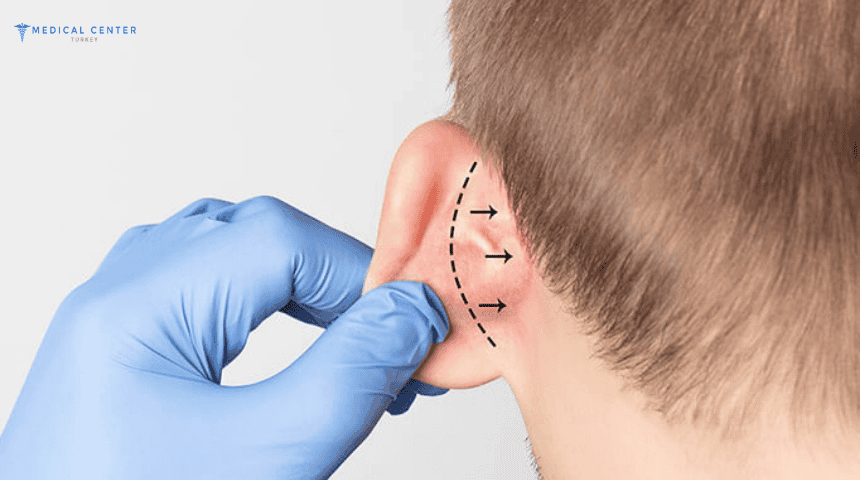
Protruding ears are one of the most common concerns treated with otoplasty. This condition happens when the ears stick out more than usual due to cartilage shape or position. During surgery, the cartilage is reshaped and repositioned closer to the head. This creates a softer, more natural look and improves facial balance.
Ear asymmetry is another common issue. Many people have one ear that looks different in size, shape, or position compared to the other. Otoplasty allows surgeons to carefully adjust each ear individually. This personalized approach helps achieve better symmetry and visual harmony, which can significantly boost self confidence.
Modern otoplasty techniques focus on precision and natural results. Small incisions are usually hidden behind the ear, which keeps scars minimal and discreet. The procedure is safe, long lasting, and suitable for both children and adults. Most patients return to daily activities within a few days, making recovery simple and comfortable.
At Medical Center, experienced specialists design each treatment plan based on the patient’s unique anatomy and aesthetic goals. Detailed consultation and advanced surgical methods ensure satisfying and natural looking outcomes.
Whether the concern is protruding ears, uneven ear shape, or noticeable asymmetry, otoplasty offers an effective and lasting solution. Patients often report improved confidence, better self image, and greater comfort in social and professional life after surgery.
Choosing a trusted medical center and skilled surgeon plays a key role in achieving the best possible results. With personalized care and modern techniques, otoplasty can safely transform ear appearance and enhance overall facial harmony.
You can easily request a personalized treatment plan and receive your free quote by clicking the image below.

Is ear correction surgery permanent, or can the ears change shape again over time?
Ear correction surgery, also known as otoplasty, is designed to create long lasting and natural looking improvements in ear shape and position. At Medical Center, modern surgical techniques focus on reshaping and stabilizing the ear cartilage to achieve permanent results for most patients.
In general, the changes made during otoplasty are permanent. Once the cartilage is carefully reshaped and fixed in its new position, the ears usually maintain their form for many years. After the healing process is complete, the ears adapt naturally to their new structure, making the results stable and reliable.
However, small changes can occur over time due to natural aging, skin elasticity, and cartilage flexibility. These changes are usually minor and not noticeable. In rare cases, factors such as trauma, injury, or strong pressure on the ears may affect their shape. Following post surgery care instructions helps protect the results and supports long term success.
Recovery plays an important role in maintaining permanent outcomes. Wearing a protective headband during the early healing phase, avoiding pressure on the ears, and following medical advice reduce the risk of unwanted changes. Most patients return to daily life within a few days while continuing simple care routines.
At Medical Center, each procedure is carefully planned based on individual ear anatomy and aesthetic goals. Advanced surgical methods and personalized treatment plans help ensure natural, balanced, and durable results.
Patients often choose ear correction surgery to improve facial harmony and boost self confidence. Knowing that the results are long lasting provides peace of mind and lasting satisfaction.
Overall, otoplasty offers a safe, reliable, and permanent solution for correcting ear shape and position. With proper technique, professional care, and correct healing support, patients can enjoy their improved appearance for many years.

What is the recovery process like, and how soon can patients return to daily activities?
The recovery process after ear correction surgery (otoplasty) is usually smooth, comfortable, and fast. Most patients experience only mild swelling, light bruising, and slight discomfort during the first few days. These effects are temporary and improve quickly with proper care.
After surgery, the ears are protected with a soft bandage or head wrap. This support helps maintain the new ear shape and reduces swelling. Patients are often advised to wear a light headband, especially at night, for one to two weeks. This simple step protects the ears during sleep and supports healthy healing.
Pain is generally minimal and can be easily managed with prescribed medication. Keeping the head elevated while resting and avoiding pressure on the ears also help reduce swelling and discomfort. Gentle cleaning and following hygiene instructions are important to prevent infection and promote faster recovery.
Most patients can return to daily activities within 3 to 5 days. Light work, school, and social routines can usually be resumed quickly. However, heavy exercise, contact sports, swimming, and activities that may cause ear pressure should be avoided for several weeks. Protecting the ears during this period helps ensure stable and long lasting results.
Visible improvements appear early, but full healing continues over several weeks. As swelling decreases, the ears gradually reveal their final natural shape. Scars are typically hidden behind the ears and fade over time, becoming barely noticeable.
The fast recovery period makes otoplasty a popular option for both children and adults. Patients often enjoy improved confidence soon after surgery, along with a refreshed facial appearance.
With proper care and simple precautions, the healing journey is comfortable and predictable. Ear correction surgery offers a smooth recovery experience and allows patients to return to normal life quickly while enjoying long lasting aesthetic benefits.

Are the scars from otoplasty visible, and how noticeable are they after healing?
One of the most common concerns about ear correction surgery (otoplasty) is whether it leaves visible scars. The good news is that modern surgical techniques focus on hiding incisions and minimizing scar appearance, allowing patients to enjoy natural looking results.
During otoplasty, small incisions are usually placed behind the ear, in the natural skin folds. This careful positioning helps keep scars well concealed. In some cases, tiny incisions may be made inside the ear structure, making them even less noticeable. As healing progresses, these scars fade and blend with the surrounding skin.
In the early healing phase, scars may appear slightly red or firm. This is a normal part of the recovery process. Over time, usually within a few months, scars become lighter, softer, and flatter. Most patients find that their scars are barely visible and difficult to notice, even at close distance.
Proper aftercare plays an important role in scar healing. Keeping the area clean, avoiding direct sun exposure, and following medical advice help improve scar quality. Some patients may also benefit from scar reducing creams or silicone based products, which support smoother healing.
Skin type, age, and individual healing ability can affect how scars develop. People with healthy skin and good circulation often experience faster and better scar recovery. Avoiding smoking and maintaining good hydration also support healthy tissue repair.
For most patients, scars from otoplasty do not cause aesthetic concern. The improved ear shape and balanced facial appearance usually become the main focus, while scars remain discreet and unobtrusive.
Overall, otoplasty offers a safe and effective way to reshape the ears with minimal visible scarring. With careful technique and proper healing care, patients can enjoy natural, confident results without worrying about noticeable surgical marks.