Differences Between Dental Implants and Veneers
Differences Between Dental Implants and Veneers is an article that aims to give you all the information you do not know about Differences Between Dental Implants and Veneers and more. We kindly shared the main headings with you;
Are dental implants or veneers the better solution for missing teeth?
When it comes to replacing missing teeth, many people wonder about dental implants vs veneers for missing teeth. Although both treatments improve smiles, they are designed for very different purposes. Understanding this difference is essential for choosing the right solution.
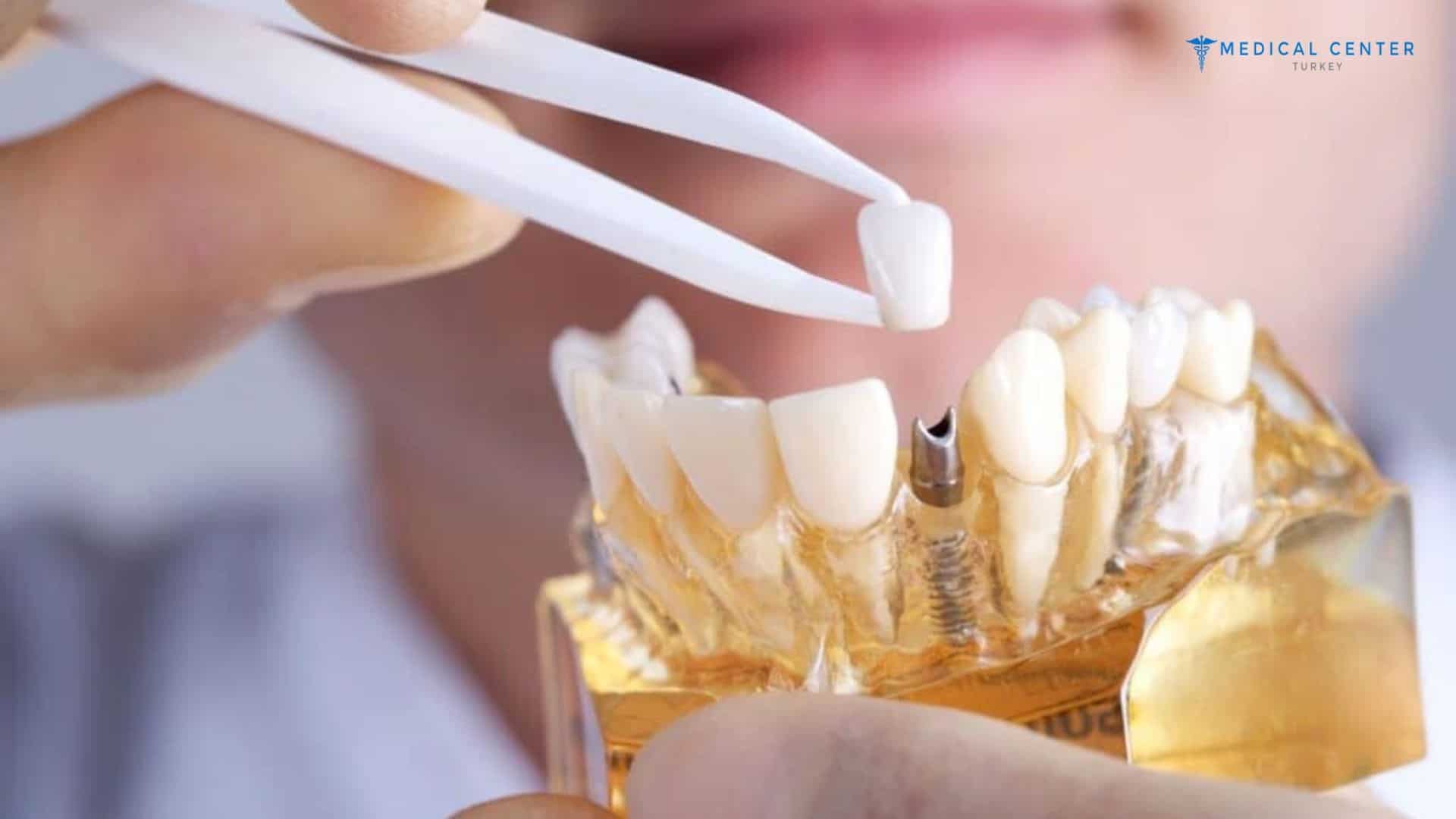
Dental implants are considered the best option for missing teeth. They replace both the tooth root and the visible crown, offering strong support and natural function. A dental implant is placed into the jawbone, helping to maintain bone structure and prevent bone loss. This makes dental implants a long-term and functional solution for patients who have lost one or more teeth. They allow you to eat, speak, and smile confidently.
Veneers, on the other hand, are not designed to replace missing teeth. Veneers are thin shells placed on the front surface of existing teeth to improve their appearance. They are ideal for fixing discoloration, small gaps, or minor shape issues. However, veneers require a natural tooth underneath, so they cannot be used when a tooth is completely missing.
When comparing dental implants vs veneers for missing teeth, implants clearly stand out in terms of durability and function. Dental implants can last many years with proper care, while veneers focus mainly on aesthetics rather than structural support.
If the problem is a missing tooth, dental implants are the correct and reliable solution. Veneers are best for cosmetic improvements, not tooth replacement. A professional dental evaluation helps determine the most suitable treatment based on oral health, bone condition, and smile goals.
Do veneers fix functional dental problems or only improve appearance?
Many people ask do veneers fix functional dental problems, or are they only for cosmetic purposes? Veneers are a popular dental treatment, but it is important to understand what they can and cannot do.
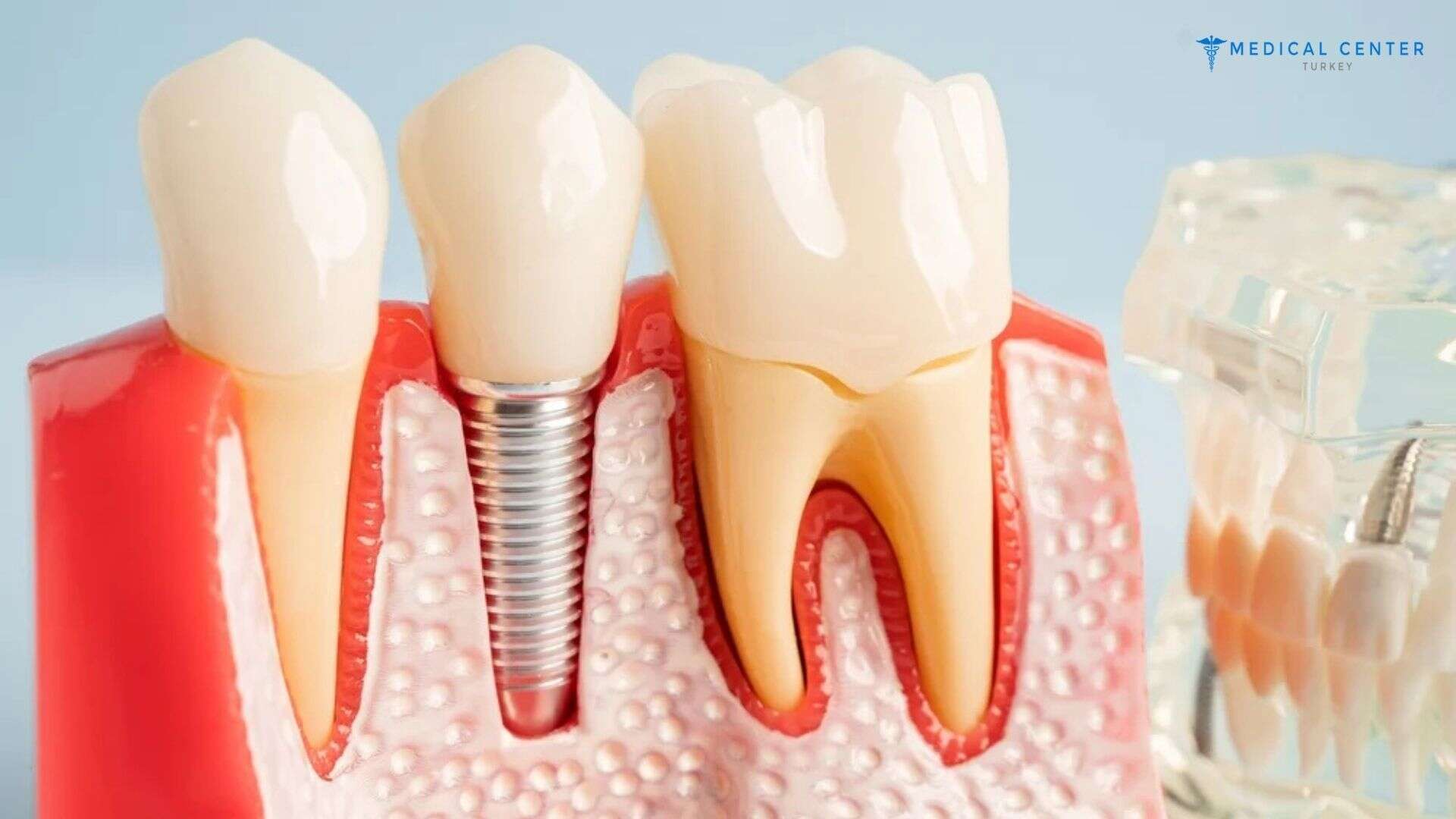
Dental veneers are thin, custom-made shells that are placed on the front surface of teeth. Their main purpose is to improve the appearance of the smile. Veneers are very effective for covering stains, fixing chipped teeth, closing small gaps, and improving tooth shape. For patients who want a brighter and more balanced smile, veneers offer fast and visible results.
When it comes to function, veneers have limited benefits. They do not replace missing teeth, repair severe tooth damage, or solve major bite problems. However, in some mild cases, veneers can slightly improve function. For example, they may help with small enamel cracks or minor alignment issues that affect how teeth touch each other. Even so, these improvements are secondary benefits, not the main goal.
If a patient has serious functional dental problems such as tooth loss, jaw pain, severe misalignment, or chewing difficulties, veneers are not the right solution. Treatments like dental implants, crowns, or orthodontics are usually required to restore full function.
So, when asking do veneers fix functional dental problems, the clear answer is that veneers are mainly a cosmetic treatment. They enhance smile aesthetics rather than solve structural or functional issues. A dental consultation is essential to decide whether veneers are suitable or if another treatment is needed for long-term oral health.
How long do dental implants and veneers last compared to each other?
One of the most common questions in cosmetic dentistry is how long do dental implants and veneers last. Understanding the lifespan of each treatment helps patients make the right decision for long-term oral health and smile satisfaction.
Dental implants are known for their long-lasting and durable results. Because the implant is placed into the jawbone, it functions like a natural tooth root. With proper oral hygiene and regular dental check-ups, dental implants can last 20 years or even a lifetime. The crown placed on top may need replacement after many years, but the implant itself remains strong and stable.
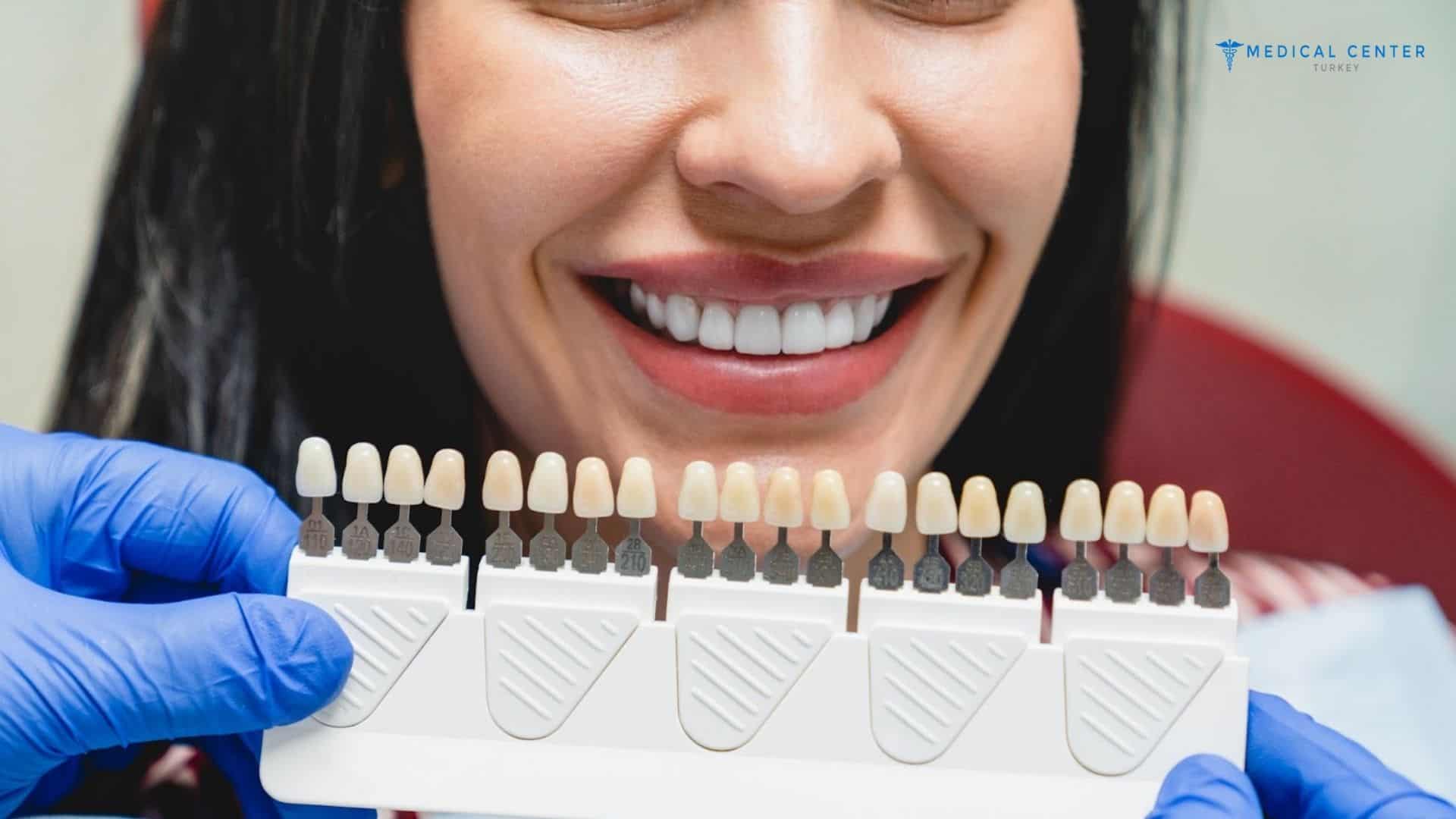
Veneers, on the other hand, have a shorter lifespan compared to dental implants. Porcelain veneers usually last between 10 to 15 years, depending on oral care, biting habits, and lifestyle factors. Patients who grind their teeth, bite hard objects, or neglect dental hygiene may experience veneer damage earlier.
When comparing how long do dental implants and veneers last, it is clear that implants offer a more permanent solution. Veneers are mainly designed for cosmetic improvement and do not replace tooth roots. Over time, veneers may require repair or replacement due to wear or changes in the natural tooth underneath.
Another important factor is maintenance. Both treatments require good oral hygiene, but dental implants are less affected by surface wear. Veneers, especially on front teeth, are more exposed to daily pressure and cosmetic changes. If long term durability is the main goal, dental implants are the better option. Veneers are ideal for aesthetic enhancement but have a limited lifespan. Choosing the right treatment depends on dental needs, expectations, and long-term planning.
If you want to get more detailed information about our packages related to this treatment, you can contact us. Just click on the link below.

Is the procedure for dental implants more painful than veneers?
Many patients ask is the procedure for dental implants more painful than veneers when choosing a dental treatment. Pain and comfort are important factors, but the experience can be very different for each procedure.
Dental implant treatment is a surgical procedure, as the implant is placed into the jawbone. During the procedure, local anesthesia is used, so patients usually do not feel pain at that time. After the surgery, mild to moderate discomfort, swelling, or tenderness may occur for a few days. This is a normal part of the healing process and can be managed with prescribed medication and proper aftercare.
Veneers, on the other hand, are non-surgical and generally involve minimal discomfort. The dentist prepares the tooth surface by removing a thin layer of enamel. This process is usually painless and may only cause slight sensitivity. Most patients return to daily activities immediately after veneer placement without downtime.
When comparing is the procedure for dental implants more painful than veneers, implants may involve more discomfort due to surgery and healing time. However, this does not mean the pain is severe. Many patients report that implant discomfort is less than expected and improves quickly.
It is also important to consider long-term comfort. Dental implants become part of the jawbone and function like natural teeth, offering stable and pain-free use once healed. Veneers feel natural but do not address deeper structural issues.
Dental implants may cause more short-term discomfort than veneers, but both procedures are well-tolerated. With modern techniques and proper care, patient comfort is always a priority. A professional consultation helps determine the most suitable and comfortable treatment option.

Which option looks more natural: dental implants or veneers?
Patients often ask which option looks more natural dental implants or veneers when deciding on a smile makeover. Both treatments are designed to enhance appearance, but they achieve natural results in different ways.
Dental implants are created to replace a missing tooth completely. Because the implant is placed into the jawbone, it supports the crown just like a natural tooth root. This allows the crown to sit at the correct angle and height, creating a very realistic appearance. Modern dental implant crowns are custom-made to match the color, size, and shape of surrounding teeth, making them almost impossible to notice.
Veneers focus on improving the visible surface of existing teeth. They are thin porcelain shells designed to enhance tooth color, shape, and symmetry. When done properly, veneers can look extremely natural, especially for front teeth. They reflect light in a similar way to natural enamel, giving the smile a bright yet soft appearance.
When comparing which option looks more natural dental implants or veneers, the answer depends on the dental situation. For missing teeth, dental implants provide the most natural look because they replace both function and structure. Veneers cannot be used if a tooth is missing, as they require a natural tooth underneath.
Another key factor is gum appearance. Dental implants help maintain healthy gum contours, preventing a sunken or uneven look. Veneers improve aesthetics but do not affect the gum structure in the same way.
Both treatments can look natural when properly planned. Dental implants offer the most natural appearance for missing teeth, while veneers are ideal for cosmetic enhancements. Choosing the right option ensures a balanced, confident, and natural-looking smile.
If you want to get more detailed information about this surgery, just click on the link below. We are always ready to help you.