Which Dental Implant Option Is Best For You?
Which Dental Implant Option Is Best For You is an article that aims to give you all the information you do not know about Dental Implant Option and more. We kindly shared the main headings with you;
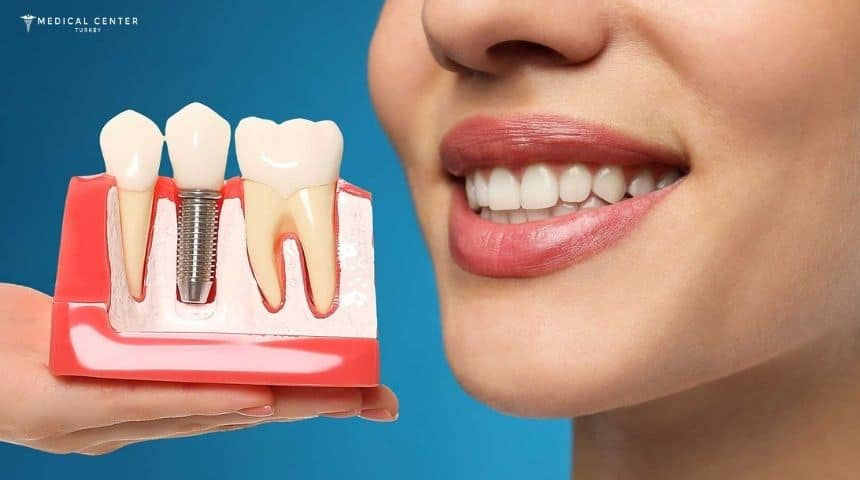
Which type of dental implant is best for me: endosteal, subperiosteal, or mini implants?
Choosing the right dental implant depends on oral health, jawbone structure, and the number of teeth that need replacement. The most common options are endosteal, subperiosteal, and mini implants, each designed for specific needs.
Endosteal implants are placed directly into the jawbone, providing strong support for single teeth, bridges, or dentures. Patients with sufficient bone density benefit from long lasting stability and a natural feel. Recovery is straightforward, and the success rate is high when performed by an experienced dental surgeon.
Subperiosteal implants sit on top of the jawbone, beneath the gum. These implants are suitable for patients with limited bone height or those who want to avoid bone grafting. Subperiosteal implants offer effective support when traditional implants cannot be placed.
Mini implants are smaller and less invasive. They work well for patients with limited bone structure or those seeking a quicker procedure. Mini implants can support dentures and some single teeth, although they may not provide the same strength as standard endosteal implants for extensive restorations.
The best implant type depends on jawbone density, oral health, and personal goals. A consultation with a skilled dental surgeon helps determine the most suitable option. Proper planning ensures a natural look, restored function, and long lasting results. Choosing the right implant enhances chewing ability and confidence in your smile.
Do I need sufficient jawbone density to get a dental implant?
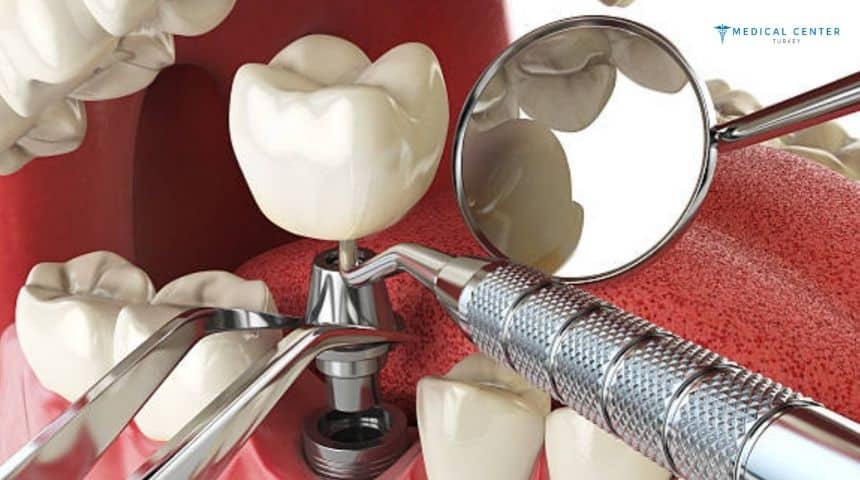
Jawbone density plays a crucial role in dental implant success. A dental implant needs strong support from the jawbone to stay stable and function like a natural tooth. Patients with good bone density usually experience high success rates, long lasting results, and faster healing.
If the jawbone is thin or has lost volume due to tooth loss, gum disease, or aging, placing a standard implant may be challenging. Low bone density increases the risk of implant failure or complications. Dental surgeons evaluate jawbone density using imaging scans to determine the best implant type and placement.
Patients with limited bone can still get implants through specialized techniques. Bone grafting is a common solution that rebuilds the jawbone using natural or synthetic materials. Another option is subperiosteal implants, which sit on top of the jawbone instead of being placed inside it. Mini implants also provide a less invasive option for patients with moderate bone loss. These approaches make it possible for more people to benefit from dental implants even if jawbone density is initially insufficient.
Maintaining oral health and planning carefully improves implant outcomes. Surgeons consider jawbone density, oral hygiene, and overall health when recommending an implant type. Proper assessment ensures stability, function, and a natural appearance.
Understanding jawbone density is essential before choosing a dental implant. Patients with strong bone often receive standard endosteal implants, while those with lower density can explore bone grafts, mini implants, or subperiosteal options. A skilled dental surgeon guides patients toward the right solution, ensuring a functional, comfortable, and long lasting result.
Are different implant options recommended for a single missing tooth versus multiple missing teeth?
Dental implants are a reliable solution for replacing missing teeth, but the best implant type often depends on whether you are missing a single tooth or multiple teeth. At Medical Center, we help patients choose the right option based on oral health, jawbone structure, and functional needs.
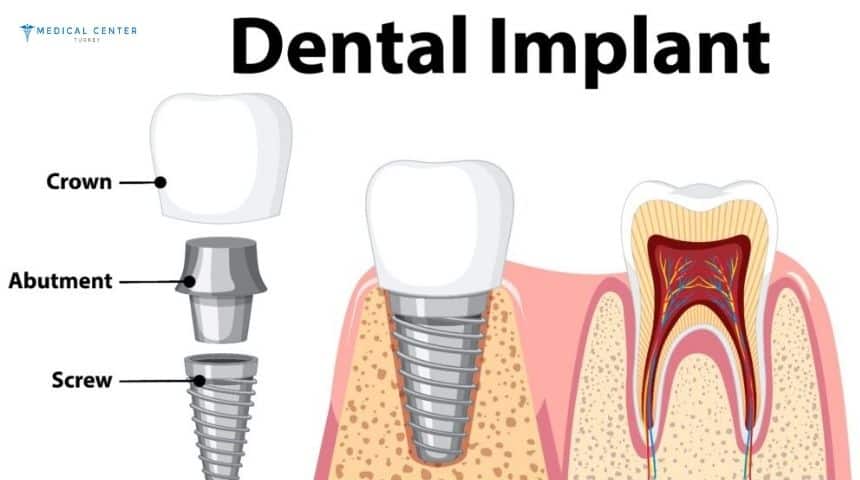
For a single missing tooth, a standard endosteal implant is usually the ideal choice. The implant is placed directly into the jawbone and supports a crown, restoring both appearance and chewing ability. Endosteal implants offer stability and a natural feel, and the procedure is minimally invasive with a high success rate when performed by skilled dental surgeons.
For multiple missing teeth, implant options vary. Patients may benefit from implant-supported bridges or full arch solutions. All on 4 or All on 6 implants provide strong support for a full set of teeth using fewer implants, reducing the need for bone grafting in some cases. Mini implants may also be considered for partial restorations or when bone density is limited.
Jawbone density plays an important role in both scenarios. Patients with sufficient bone can usually receive standard implants, while those with lower bone volume may need bone grafts, mini implants, or subperiosteal implants. Medical Center evaluates each patient with advanced imaging scans to ensure the right implant type, placement, and long lasting results.
Choosing the right implant improves function, restores a natural smile, and supports long term oral health. Single tooth implants focus on precision and aesthetics, while multiple tooth solutions prioritize stability and efficient restoration. Personalized assessment ensures patients achieve a comfortable, functional, and durable outcome.
You can easily request a personalized treatment plan and receive your free quote by clicking the image below.

Are mini dental implants really a faster and less invasive solution?
Mini dental implants offer an innovative approach for patients seeking tooth replacement with less invasive procedures. At Medical Center, mini implants are popular for patients who want a quicker recovery and minimal discomfort during treatment.
Mini implants are smaller in diameter compared to standard implants, which allows them to be placed with less surgical intervention. This smaller size often eliminates the need for extensive bone grafting, making the procedure suitable for patients with limited jawbone density. The placement is typically faster, and patients experience reduced swelling and shorter healing times.
Despite their smaller size, mini implants can provide stable support for dentures and partial restorations. They are ideal for patients looking for temporary or semi permanent solutions, or for those who prefer a minimally invasive approach without undergoing full surgery. While mini implants may not always be suitable for larger restorations, they are effective in restoring chewing function and improving smile aesthetics.
Jawbone density remains an important consideration. Patients with sufficient bone usually benefit from standard implants for long term durability, but mini implants offer an excellent alternative when bone volume is moderate. At Medical Center, each patient receives a thorough evaluation using advanced imaging to determine whether mini implants are the right choice.
Mini dental implants combine efficiency, comfort, and shorter recovery, making them a practical solution for many patients. They reduce surgical complexity while still delivering functional and aesthetic results. Patients seeking a less invasive option for missing teeth often find mini implants an attractive and effective choice.
Who is the ideal candidate for full-arch solutions like All-on-4 implants?
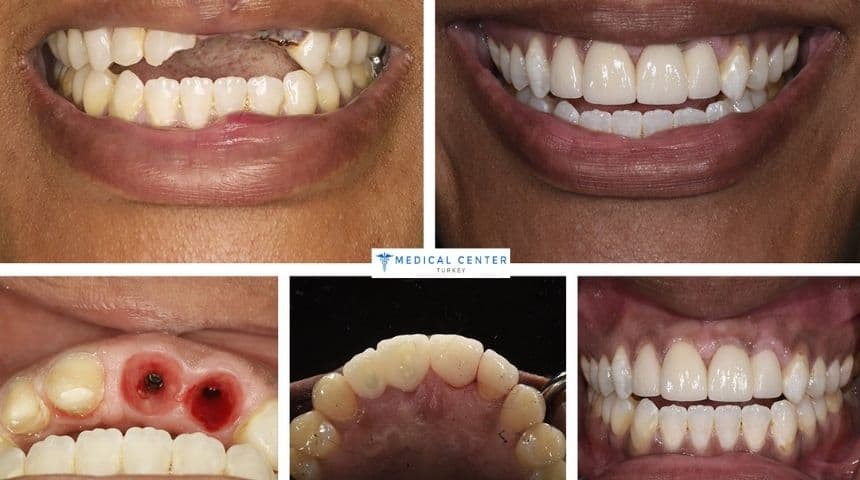
Full arch dental implant solutions, such as All on 4 implants, provide a permanent and stable option for patients who have lost most or all of their teeth. These solutions restore function, aesthetics, and confidence in a way that traditional dentures cannot.
The ideal candidate for All on 4 implants typically has multiple missing teeth or severe tooth decay affecting most of the dental arch. Patients who struggle with loose or uncomfortable dentures often benefit from this solution, as it offers strong, fixed support without the need for adhesives. Sufficient jawbone density is important, though All on 4 implants are designed to maximize existing bone and often avoid the need for bone grafting.
Patients should maintain good oral hygiene and overall health. Conditions like uncontrolled diabetes or heavy smoking may affect healing and long term success, so a medical evaluation is important before treatment. Candidates with realistic expectations and a commitment to follow post operative care generally experience the best outcomes.
All on 4 implants are also suitable for patients seeking a permanent alternative to traditional dentures. They provide immediate functionality, allowing patients to eat and speak naturally shortly after placement. The treatment is efficient because it uses fewer implants while covering a full arch, reducing surgical time and recovery.
Careful planning ensures long-lasting results and a natural looking smile. Advanced imaging and consultation help determine the exact placement and design of the implant supported arch. Patients receive a solution that restores chewing ability, supports facial structure, and improves confidence.
All on 4 implants are ideal for individuals who have lost most teeth, want a fixed, functional solution, and are committed to maintaining oral health. With proper assessment and planning, they offer a durable, comfortable, and aesthetically pleasing option for full arch restoration.
If you want to get more detailed information about this surgery, just click on the link below. We are always ready to help you.