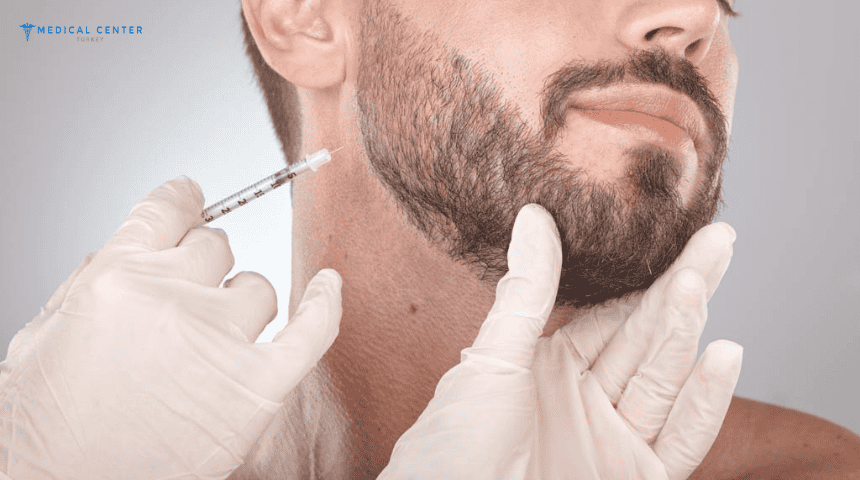
Beard Transplants Tips for Natural Looking Results
Beard Transplants Tips for Natural Looking Results is an article that aims to give you all the information you do not know about Beard Transplants Tips and more. We kindly shared the main headings with you;
What are the best techniques to achieve a natural looking beard transplant?
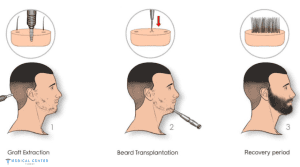
A natural looking beard transplant is all about precision, balance, and technique. Today, advanced methods allow men to achieve dense, defined beards that look completely authentic. The most trusted technique is FUE (Follicular Unit Extraction). In this method, individual hair follicles are taken from the back of the scalp and transplanted into the beard area one by one. This gives surgeons full control over direction, angle, and density key details that make the result look natural.
Before the procedure, a personalized beard design is essential. The surgeon maps out the face shape, natural growth pattern, and symmetry to ensure the beard matches your features. Every face is unique, so the design must be customized this is what separates natural results from artificial ones.
The angle and depth of implantation are also crucial. Natural beards don’t grow straight; they have slight variations in direction and thickness. By carefully replicating these natural patterns, the transplanted hairs blend seamlessly with existing facial hair.
Another factor is donor hair selection. The best donor area should have hair similar in thickness and texture to beard hair. Matching the texture prevents visible contrast and ensures a soft, even appearance.
After the transplant, proper aftercare supports growth and natural healing. Following post procedure instructions helps prevent irritation and boosts long term success.
In summary, achieving a natural beard transplant result depends on three things: advanced FUE technique, custom design, and precision placement. When done correctly, the new beard looks completely authentic fuller, defined, and natural to the touch.
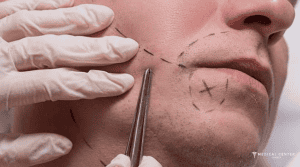
How do surgeons ensure that the transplanted hair matches your natural beard texture and direction?
A natural looking beard transplant depends on how well the transplanted hair matches your original beard texture and direction. Every detail matters from the type of donor hair used to the exact angle of implantation.
The process starts with careful donor area selection. Surgeons choose follicles from parts of the scalp where the hair most closely resembles beard hair. These areas usually contain thicker, coarser strands that naturally blend with the facial hair pattern. Matching the texture from the start is key to creating a smooth and balanced look.
Another important step is controlling the angle and direction of each graft. Beard hair doesn’t grow in one straight line; it changes direction across the face. On the cheeks, it grows at a shallow angle, while on the chin and jawline, it tends to grow downward. During the procedure, surgeons place every follicle according to these natural patterns, ensuring the new growth follows the same direction as the existing beard.
Density and spacing are also adjusted with precision. Natural beards have subtle variations some areas are slightly thicker, while others are softer. By recreating these natural differences, the beard gains realistic depth and texture.
Experienced surgeons also design the beard according to facial shape and symmetry. Each face has its own structure, and aligning the beard design with that structure makes the result look authentic and well defined.
A well executed beard transplant is all about detail and balance. When texture, angle, and placement are in harmony, the result is a full, even, and completely natural looking beard.
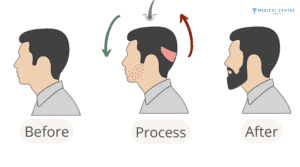
How long does it take for beard transplant results to look fully natural?
A natural looking beard transplant takes time to fully develop. The transformation doesn’t happen overnight, but with patience and proper care, the results become realistic, full, and long lasting. At Medical Center, experts guide each patient through every stage of recovery to ensure the most natural outcome possible.
In the first few weeks, tiny scabs and redness are normal. Transplanted hairs start to shed during the second or third week a natural process called “shock loss.” This is part of the healing phase and shows that the follicles are adjusting beneath the skin.
Around three months, new beard hairs begin to grow. These early hairs are usually thin and soft, but over time, they thicken and take on the natural texture of a real beard. The direction and density improve as growth continues, making the beard appear more defined.
By six months, the beard looks noticeably fuller. Most patients can already style and trim their beards at this, although the final density is still developing. The complete and fully natural looking result usually appears around nine to twelve months after the procedure. During this time, the beard becomes thicker, stronger, and perfectly blended with natural facial hair.
Following aftercare advice from Medical Center such as gentle cleansing, avoiding scratching, and keeping the skin hydrated helps the follicles grow healthily.
A successful beard transplant is a gradual process. With patience, proper care, and expert guidance, the final result looks authentic, symmetrical, and completely natural.
You can easily request a personalized treatment plan and receive your free quote by clicking the image below.

Can a beard transplant fill patchy or uneven beard areas completely?
Many men struggle with patchy or uneven facial hair. Gaps in the beard can affect confidence and make styling difficult. A natural looking beard transplant offers a long term solution by restoring fullness and balance across the face. At Medical Center, each procedure is planned carefully to achieve smooth, even coverage that looks completely natural.
A beard transplant uses advanced FUE (Follicular Unit Extraction) technology, where individual hair follicles are taken from the back of the scalp and transplanted into thin or empty beard areas. This technique allows surgeons to control the angle, direction, and density of every graft. As a result, patchy spots are filled evenly, creating a realistic and dense beard appearance.
The procedure is fully customizable. Some people need small touch ups on the cheeks or jawline, while others want to cover larger gaps. At Medical Center, specialists design the beard according to face shape, natural growth lines, and hair texture to ensure a perfect blend.
Once the transplanted hair starts growing, it behaves like natural beard hair. You can shave, trim, and style it freely. Most patients notice visible improvement after three months, and full results appear within nine to twelve months. The new beard stays permanent since transplanted follicles continue growing for life.
With expert planning, precision, and aftercare, a natural looking beard transplant can completely transform uneven facial hair. Patchy areas become fuller, lines look more defined, and the overall beard gains a balanced, masculine look.
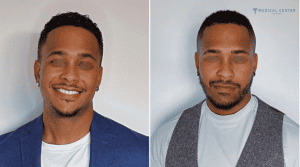
What are the most common mistakes that make beard transplants look unnatural?
A natural looking beard transplant depends on precision, balance, and experience. When these elements are missing, results can appear uneven or artificial. Understanding the most common mistakes helps anyone planning a beard transplant know what to avoid.
One major mistake is incorrect hair angle and direction. Natural beard hair grows in multiple directions flatter on the cheeks, more downward on the chin, and slightly outward on the jawline. When grafts are placed at the wrong angle, the beard can look stiff or stick out unnaturally instead of blending smoothly with the skin.
Another issue is using the wrong donor hair. Scalp hair and beard hair differ in texture and thickness. If donor hair doesn’t match well, it may appear too soft or too straight, creating a visible contrast with natural beard hair. Proper donor selection ensures harmony in both texture and density.
Overpacking or uneven graft placement is another reason for artificial results. A beard should have natural variation some areas slightly denser, others lighter. When every part is packed with the same density, it can look flat and unnatural. Balanced spacing creates a more realistic appearance.
Neglecting facial symmetry and design also leads to poor results. Each face has a unique structure, and the beard should complement it. A generic or uneven design can distort facial proportions instead of enhancing them.
Lastly, improper aftercare can affect the final look. Scratching, shaving too early, or not following healing instructions can slow recovery and harm transplanted follicles.
A successful, natural looking beard transplant comes from skilled technique, careful design, and proper care every detail matters for a flawless and authentic result.
How should you care for your beard after the transplant to maintain a realistic appearance?
Proper aftercare is the key to achieving a natural looking beard transplant. The healing process directly affects how well the new follicles grow and how realistic the final result appears. Gentle care, patience, and consistency help the transplanted hairs settle naturally and grow strong over time.
In the first few days, the focus should be on keeping the area clean and protected. Avoid touching or scratching the beard, as the follicles are still delicate. Washing should be done gently with mild, non irritating shampoo recommended by the surgeon. Excessive rubbing or pressure can dislodge new grafts, so it’s best to let water flow softly over the skin.
For about a week, it’s important to avoid sweating, heavy exercise, and direct sunlight. Heat and friction may slow healing and increase irritation. Sleeping on your back helps protect the beard area and prevent accidental damage during rest.
As healing continues, hydration and nourishment become essential. Using a light moisturizer or serum approved for post transplant care keeps the skin hydrated and reduces dryness. Healthy skin supports stronger, more consistent hair growth.
Avoid shaving or trimming for at least three to four weeks. This allows the new hairs to anchor firmly in the skin. Once growth becomes stable, gentle grooming helps shape the beard naturally without harming new follicles.
A natural looking beard transplant takes time to mature. Following aftercare instructions carefully and maintaining good hygiene ensures the beard grows evenly and blends perfectly with your natural facial hair soft, dense, and completely realistic.
If you need more detailed information and support, you can contact our team. Just click on the link below.