
Who is a good candidate for jaw surgery?
Jaw surgery, also known as orthognathic surgery, is a life-changing procedure for those looking to correct functional or aesthetic issues with their jaw. The best candidates are individuals who experience jaw misalignment, difficulty chewing or speaking, facial asymmetry, or chronic jaw pain due to structural concerns. Whether for medical or cosmetic reasons, choosing jaw surgery in Turkey offers access to world-class surgeons, cutting-edge technology, and affordable yet high-quality care. If you have an underbite, overbite, crossbite, or an open bite, you may be an ideal candidate for jaw surgery. These conditions not only affect facial harmony but can also lead to long-term dental and speech issues. Those suffering from TMJ (temporomandibular joint) disorders, sleep apnea, or difficulty closing their mouth comfortably may also benefit greatly from corrective jaw surgery. Beyond functionality, some individuals seek jaw surgery for aesthetic improvements. If you feel that your chin is too small or too prominent, your jawline lacks definition, or your face appears unbalanced, this procedure can help enhance your facial proportions and symmetry, resulting in a more confident and harmonious appearance. A good candidate should also be in overall good health, have fully developed jawbones (typically after their late teens), and maintain realistic expectations about the procedure and recovery process. During a personalized consultation at Medical Center Turkey, our expert team will assess your dental and facial structure, discuss your goals, and guide you through a tailored treatment plan to achieve the best results.
What types of jaw surgery are available in Turkey?
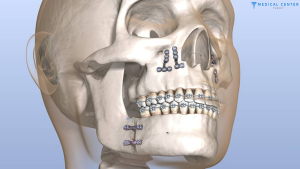
Turkey is a leading destination for jaw surgery, offering world-class medical facilities, highly skilled surgeons, and cost-effective treatment options. Whether you're seeking surgery for functional improvements or aesthetic enhancements, there are several types of jaw procedures available, tailored to your specific needs.- Orthognathic Surgery (Corrective Jaw Surgery) This procedure corrects misaligned jaws to improve bite function, facial symmetry, and speech clarity. It’s commonly performed for individuals with overbites, underbites, crossbites, or open bites. Surgeons reposition the upper or lower jaw (or both) to align the bite properly, enhancing both function and appearance.
- Mandibular (Lower Jaw) Surgery If you have a receding or overly prominent lower jaw, this surgery adjusts its position for better balance and proportion. It can correct a weak chin, severe underbites, or misaligned jaw structures, significantly improving chewing, breathing, and overall facial aesthetics.
- Maxillary (Upper Jaw) Surgery For individuals with a small or protruding upper jaw, maxillary surgery repositions and reshapes the jawbone. It is commonly performed to treat facial asymmetry, excessive gum exposure when smiling (gummy smile), or difficulties with speech and chewing.
- Genioplasty (Chin Surgery) While not always categorized as jaw surgery, genioplasty focuses on reshaping or repositioning the chin. It is often combined with jaw surgery to achieve a well-defined jawline and balanced facial proportions.

How do I know if I need orthognathic (jaw) surgery?
Orthognathic surgery, also known as corrective jaw surgery, is typically recommended for individuals experiencing functional, aesthetic, or health-related issues due to jaw misalignment. If you’re unsure whether you need this procedure, here are some key signs that indicate you may be a candidate: Difficulty with Biting, Chewing, or Swallowing If your teeth do not align properly when you bite down, it can make chewing inefficient or even painful. Misaligned jaws can lead to excessive pressure on certain teeth, causing wear and long-term dental problems. Speech Problems Jaw misalignment can impact speech clarity and pronunciation. If you experience difficulty enunciating certain words or have a lisp due to improper tongue positioning, jaw surgery may help correct the issue. Chronic Jaw Pain, TMJ Disorders, or Frequent Headaches Individuals with misaligned jaws often experience temporomandibular joint (TMJ) pain, which can cause:- Frequent headaches or migraines
- Clicking or popping noises when moving the jaw
- Difficulty fully opening or closing the mouth
What are the risks and benefits of jaw surgery in Turkey?
Benefits:- Expert Surgeons & Modern Clinics: Turkey offers highly skilled maxillofacial surgeons and cutting-edge medical facilities.
- Affordable Prices: Costs are up to 70% lower than in the U.S. or Europe, with no compromise on quality.
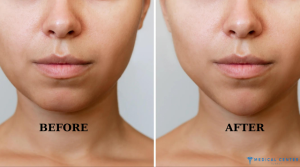
- Aesthetic & Functional Improvements: Enhances facial symmetry, bite function, and speech clarity while eliminating jaw pain and TMJ issues.
- Better Health & Quality of Life: Can cure sleep apnea, improve digestion, and relieve chronic discomfort.
- All-Inclusive Packages: Cover surgery, VIP transport, hotel stays, and post-op care.
- Swelling & Discomfort: Temporary but manageable with medication.
- Numbness or Sensory Changes: Usually temporary, though rare cases of minor permanent numbness exist.
- Infection & Bleeding: Rare with proper care and antibiotics.
- Jaw Stiffness & Eating Adjustments: Temporary; improves with therapy and a soft diet.
How long is the recovery process after jaw surgery?
The recovery period for jaw surgery varies depending on the complexity of the procedure, but most patients experience a structured healing timeline:- First Week: Swelling and discomfort peak but are manageable with medication. A liquid or soft diet is required.
- 2-4 Weeks: Major swelling reduces, and speech, eating, and jaw movement improve. Many patients can resume light activities.
- 6-8 Weeks: The jawbone heals significantly, allowing for a gradual return to normal eating habits.
- 3-6 Months: Full recovery is achieved, with minimal swelling and restored function.
Have questions about your treatment?
Our International Patient Center will prepare a free, personalized plan within 48 hours.
Get a Free Quote