
What are the latest technologies used in hair transplants?
Hair transplant technology continues to evolve every year, and brings some exciting advancements that make the process faster, more comfortable, and more natural looking than ever before. One of the most talked about innovations is AI assisted follicle extraction. This technology uses artificial intelligence to identify the healthiest hair follicles and extract them with high precision. It helps improve graft survival rates and ensures a more even, natural result. Another major update is the growing use of robotic systems in hair transplant procedures. These systems allow for faster, more accurate implantation of grafts with less damage to the surrounding skin. Patients can expect shorter procedure times and faster recovery with less scarring. Needle free anesthesia devices have also become popular. This technology allows for a pain-free experience, especially during the numbing stage. It’s a great option for patients who are nervous about injections. One of the most exciting additions to hair transplant methods is the integration of regenerative medicine. Treatments such as Platelet Rich Plasma (PRP) and stem cell therapy are now often combined with transplants to support healing and boost hair growth after surgery. 3D hairline design tools are now commonly used to create a more personalized and natural-looking result. With digital imaging, patients can see a preview of their potential results before the surgery begins. These technologies not only make the procedure more effective but also improve the overall patient experience. At Medical Center Turkey, we stay updated with these innovations to offer the highest standards of care in hair restoration.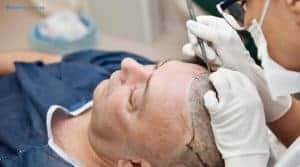
Is robotic hair transplantation more common or advanced now?
Yes, robotic hair transplantation has become more common and more advanced. Thanks to improvements in medical technology, robotic systems are now smarter, faster, and more precise than ever before. In the past, robotic hair transplant machines were mainly used for extracting hair follicles. Today, they can also help with implantation, hairline design, and real time adjustments during the procedure. The latest systems use AI based algorithms to choose the best quality grafts and to decide the most natural looking angles for placement. This leads to higher success rates and more natural results. Another reason why robotic hair transplants are more popular now is the comfort and convenience they offer. Since robots can perform repetitive tasks without fatigue, the process is quicker and causes less trauma to the skin. Patients often report less pain, less swelling, and a faster recovery time. With robotic precision, there is better consistency in graft placement, which is especially important for dense and natural hair restoration. Many people now feel more confident choosing robotic methods for their safety and effectiveness. While robotic technology does not replace the expertise of skilled surgeons, it supports them by increasing accuracy and efficiency. More clinics around the world are offering robotic options to meet the growing demand for modern, minimally invasive hair restoration solutions. Robotic hair transplantation is no longer just a high tech option it is becoming a standard choice for many people seeking reliable, high quality results with less downtime and better precision.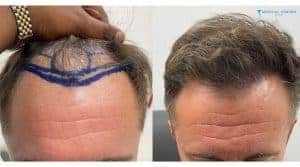
How has recovery time improved with new techniques?
Hair transplant recovery is faster, easier, and more comfortable than ever before. Thanks to modern techniques and technologies, patients now experience minimal downtime and quicker healing. One of the key improvements is the use of minimally invasive methods, such as FUE (Follicular Unit Extraction) with micro punch tools. These tools make tiny incisions that cause less trauma to the scalp. As a result, there is less bleeding, swelling, and scabbing, which speeds up the healing process. Another important development is the introduction of robotic and AI assisted systems. These advanced tools allow for more accurate graft extraction and placement, reducing the chance of skin damage. When the skin is treated gently, it naturally recovers faster. Many hair transplant procedures are also supported by regenerative treatments like PRP (Platelet-Rich Plasma) or stem cell therapy. These therapies help the scalp heal faster and boost new hair growth. Patients usually notice less redness and irritation within the first few days compared to older methods. Needle free anesthesia and advanced post operative care products are playing a key role in faster hair transplant recovery. New generation healing serums and scalp sprays keep the treated area clean, moisturized, and protected. These products help prevent infections, reduce redness, and support quicker healing. With modern techniques, most hair transplant patients can return to their normal routine within just 2 to 5 days. The scalp usually heals completely in 1 to 2 weeks, allowing for a comfortable and smooth recovery experience. Visible hair growth typically starts a few months after the procedure, depending on the individual. Thanks to all these improvements, hair transplant recovery in 2026 is faster, easier, and less stressful than ever before. This allows patients to enjoy natural-looking results with minimal downtime and maximum comfort. You can contact us to access our packages related to this treatment and create the package that suits you. You can reach our cost calculator via the link below.
Are there any non surgical alternatives that are just as effective?
Hair restoration doesn't always require surgery. Several non surgical alternatives have become popular and are showing impressive results, especially for people in the early stages of hair loss. One of the most widely used non surgical treatments is PRP (Platelet-Rich Plasma) therapy. In this method, the patient’s own blood is processed to extract growth factors, which are then injected into the scalp. PRP helps stimulate hair follicles, improve hair thickness, and slow down hair loss. It’s safe, natural, and requires no downtime. Another advanced option is low level laser therapy (LLLT). This treatment uses cold laser light to increase blood flow in the scalp and energize weak hair follicles. Many patients experience stronger, shinier, and thicker hair after regular sessions. Stem cell based therapies are also becoming more common. These treatments use regenerative cells to activate dormant follicles and promote new hair growth. Although still developing, stem cell solutions offer great promise for the future of non surgical hair restoration. At Medical Center Turkey, patients can receive personalized treatment plans based on their hair loss type and expectations. Non surgical treatments are often recommended as part of a preventive or supportive solution, especially for those who are not ready or suitable for surgery. While these methods may not provide the same density as a hair transplant, they are highly effective for early intervention and ongoing maintenance. Non surgical solutions can also be combined with surgical procedures to enhance and prolong results. Non surgical hair restoration is more advanced, accessible, and effective than ever before.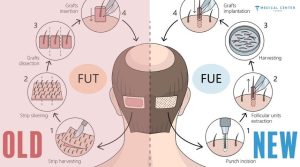
What innovations have been made in hair density and natural looking results?
Hair transplant technology has seen exciting improvements that help achieve higher hair density and more natural looking results. These innovations make hair restoration safer, faster, and more effective than ever before. One major breakthrough is the use of advanced implantation techniques. These allow hair follicles to be placed closer together without damaging the scalp. This means patients can get fuller hair with better coverage, especially in areas like the hairline and crown, where density matters most. Another key innovation is 3D hairline design tools. Using digital technology, specialists can now design a hairline that perfectly matches the patient’s face shape and natural hair growth pattern. This customization creates results that look soft, balanced, and completely natural. In addition, AI assisted and robotic systems help surgeons place grafts at the right angle and direction. This ensures that new hair grows in harmony with existing hair, blending seamlessly and creating a natural flow. The precision of these systems reduces human error and improves overall appearance. Techniques like follicular unit extraction (FUE) with smaller punch sizes cause less trauma to the scalp, allowing for denser packing of hair follicles. This means patients benefit from thicker hair without excessive scarring or damage. Ongoing research in regenerative medicine supports hair growth and density. Treatments like Platelet Rich Plasma (PRP) therapy are often combined with transplants to improve healing and stimulate follicles, enhancing overall results. Thanks to these innovations, patients can enjoy hair transplants that look natural, feel comfortable, and provide higher hair density than ever before.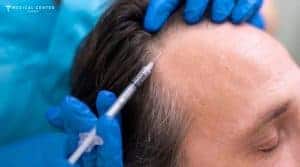
Is stem cell or regenerative therapy being used in modern hair restoration?
Yes, stem cell and regenerative therapies have become important parts of modern hair restoration. These treatments offer new hope for people experiencing hair loss, especially when combined with traditional hair transplant methods.
Regenerative medicine plays a key role in improving hair growth and scalp health. Stem cell therapy uses the body’s own cells to stimulate hair follicles that may be weak or inactive. These cells help repair damaged tissue and encourage new hair growth naturally.
Another popular regenerative treatment is Platelet Rich Plasma (PRP) therapy. PRP involves taking a small amount of the patient’s blood, processing it to concentrate growth factors, and injecting it into the scalp. This helps increase blood flow, reduce inflammation, and boost hair follicle activity. Many patients see thicker, healthier hair after regular PRP sessions.
These treatments are often combined with hair transplant procedures to enhance results. They accelerate healing, reduce scarring, and improve the overall success of the surgery. Since the therapies use the patient’s own cells, they are considered safe, natural, and well-tolerated.
At Medical Center Turkey, stem cell and PRP therapies are used to support surgical hair restoration and improve long term outcomes. These innovative solutions not only stimulate natural hair growth but also improve the condition of the scalp, helping patients achieve fuller, healthier hair. Stem cell and regenerative therapies are now vital tools in hair restoration, offering effective and minimally invasive options for long lasting, natural looking results.
For more detailed information and to inquire about anything you are curious about, feel free to contact us anytime. Click the link below to get in touch with our team.