
Which organ systems are examined during a full body check-up?
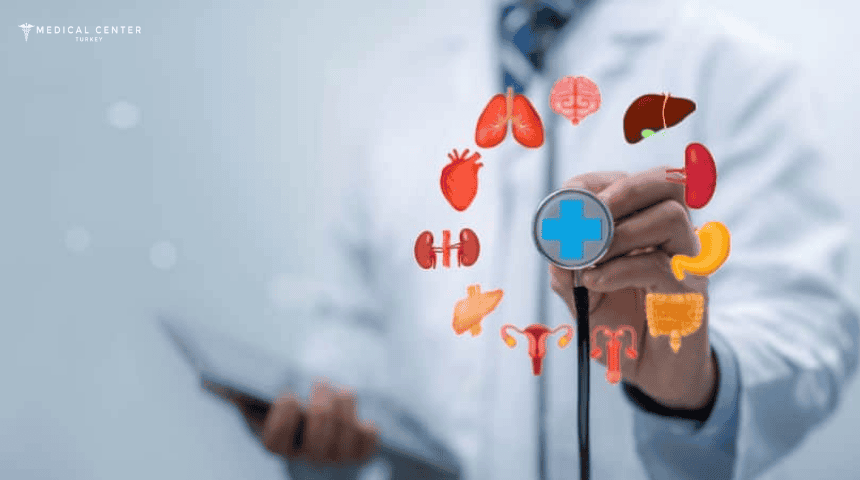
A full body check-up in Turkey is designed to give a comprehensive overview of your overall health by examining all major organ systems. The goal is to identify any hidden or developing health issues early, even before symptoms appear. Here are the main systems evaluated:- Cardiovascular system: Includes heart rhythm, blood pressure, and blood flow through ECG, echocardiogram, or stress tests.
- Respiratory system: Assessed through chest X-rays and sometimes lung function tests to check for breathing issues or infections.
- Digestive system: Liver, gallbladder, stomach, pancreas, and intestines are typically examined through blood tests, abdominal ultrasound, or endoscopy (if needed).
- Urinary system: Kidney and bladder health is evaluated using urine tests, kidney function blood panels, and ultrasound.
- Hormonal and endocrine systems: Includes thyroid, adrenal, insulin, and sex hormones to detect imbalances.
- Musculoskeletal system: Joint function, bone density, or posture evaluations may be added.
- Nervous system: Sometimes basic neurological exams are included, especially for older adults.
Are blood and urine tests included in the check-up package?
Yes, blood and urine tests are a standard part of every full body check-up package in Turkey. These tests offer vital information about your overall health and help detect early signs of many medical conditions. Typical blood tests include:- Complete Blood Count (CBC)
- Blood sugar (fasting glucose, HbA1c)
- Cholesterol and lipid profile
- Liver and kidney function tests
- Vitamin D, B12, iron, and calcium levels
- Thyroid hormone levels (TSH, T3, T4)
- Electrolytes and markers for infection or inflammation (like CRP)
- Routine urinalysis (pH, protein, glucose, blood)
- Microscopic examination for signs of infection or kidney issues

Is a heart evaluation part of the full body check-up in Turkey?
Yes, a heart evaluation is a core part of a full body check-up in Turkey. Cardiovascular health is critical, and Turkish clinics take a proactive approach by offering detailed heart screenings, even for patients with no symptoms. Standard heart assessments may include:- Electrocardiogram (ECG or EKG): Measures electrical activity of the heart to check for irregular rhythms or past silent heart attacks.
- Echocardiogram (ECHO): An ultrasound of the heart to assess valve function, muscle strength, and blood flow.
- Exercise stress test (treadmill test): Evaluates heart function during physical activity (often optional or age-based).
- Blood pressure measurement and blood tests for cholesterol, triglycerides, and markers like troponin or BNP if needed.
Do check-ups include cancer screenings or early detection tests?
Yes, many full body check-up packages in Turkey include basic cancer screenings and early detection tests, especially for patients over the age of 30 or those with a family history of cancer. The exact tests depend on your gender, age, and risk profile, but may include:- Tumor marker blood tests (e.g., PSA for prostate cancer, CA-125 for ovarian cancer, AFP, CEA)
- Mammography or breast ultrasound for women
- Pap smear or HPV testing for cervical cancer
- Abdominal ultrasound to check for liver, kidney, or pancreatic masses
- Chest X-ray to spot lung abnormalities
- Colonoscopy or stool tests (optional or based on medical history)
Are nutrition and lifestyle consultations included?
Yes, many full body check-up programs in Turkey now include nutrition and lifestyle consultations as part of a more holistic approach to preventive care. After your medical tests are complete, you often meet with a dietitian, endocrinologist, or general physician to review your results and receive personalized advice. During this consultation, the specialist will:- Discuss your diet, exercise, and sleep habits
- Analyze results like cholesterol, blood sugar, or vitamin levels
- Offer a customized nutrition plan if needed
- Give guidance on quitting smoking, managing stress, or improving sleep
- Help set health goals based on your age, weight, and family history

How soon are the results available after the tests?
In most Turkish clinics, you’ll receive your test results on the same day or within 24–48 hours, depending on the number and type of tests included. This quick turnaround is one of the reasons international patients find check-ups in Turkey so efficient. Here’s a typical timeline:- Blood and urine test results: Within a few hours
- Ultrasound, ECG, X-ray findings: Same day
- Specialist consultations or follow-up evaluations: Later the same day or next morning
- Complete health report and doctor’s summary: Usually ready within one business day