What is Baldness?
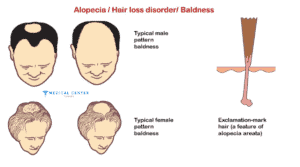
Baldness, also known as alopecia or hair loss, is a condition characterized by the partial or complete absence of hair from areas of the body where it would normally grow. Baldness can affect various parts of the body, but it is most associated with the scalp. Types of Baldness:- Androgenetic Alopecia: This is the most common type of baldness, often referred to as male-pattern or female-pattern baldness. It is hereditary and typically results in a gradual thinning of hair on the scalp in a specific pattern, such as a receding hairline in men or overall thinning in women.
- Alopecia Areata: This is an autoimmune condition in which the immune system mistakenly attacks the hair follicles, leading to sudden hair loss in small, round patches on the scalp or other areas of the body.
- Traction Alopecia: This type of hair loss occurs when there is repeated pulling or tension on the hair follicles, often due to tight hairstyles like braids, ponytails, or extensions. Over time, this can lead to hair loss, especially around the hairline and temples.
- Scarring Alopecia: This is a form of hair loss characterized by the destruction of hair follicles and the replacement of hair follicles with scar tissue. It can result from various conditions, including certain skin disorders and inflammatory diseases.
What are the Causes of Baldness?
Baldness, also known as alopecia or hair loss, can have various causes, ranging from genetic factors to medical conditions, hormonal changes, medications, and lifestyle factors. Here are some of the primary causes of baldness: Androgenetic Alopecia:- Genetics: The most common cause of baldness is androgenetic alopecia, also known as male-pattern or female-pattern baldness. This type of hair loss is hereditary and typically results from a combination of genetic factors inherited from one or both parents.
- Hormonal Factors: Androgenetic alopecia is influenced by hormones, particularly androgens such as dihydrotestosterone (DHT). In individuals with a genetic predisposition, DHT can shrink hair follicles, leading to shorter, finer hair and eventually causing them to stop producing new hair altogether.
- Autoimmune Diseases: Conditions such as alopecia areata, in which the immune system mistakenly attacks the hair follicles, can lead to sudden hair loss in small, round patches on the scalp or other parts of the body.
- Scalp Infections: Infections of the scalp, such as ringworm (tinea capitis), can cause inflammation and damage to the hair follicles, resulting in hair loss.
- Thyroid Disorders: Thyroid disorders, including hypothyroidism and hyperthyroidism, can disrupt the normal growth cycle of hair follicles and lead to hair loss.
- Pregnancy and Childbirth: Hormonal changes during pregnancy and childbirth can cause temporary hair loss known as postpartum telogen effluvium. This type of hair loss is usually temporary, and hair typically regrows within a few months.
- Menopause: Hormonal fluctuations associated with menopause can also contribute to hair loss in women.
- Chemotherapy: Certain chemotherapy drugs used to treat cancer can cause hair loss as a side effect. Hair loss may occur all over the body, including the scalp, eyebrows, eyelashes, and body hair.
- Hormonal Treatments: Some hormonal treatments, such as those used for hormone replacement therapy or to treat conditions like polycystic ovary syndrome (PCOS), can cause hair loss as a side effect.
- Stress: Physical or emotional stress can disrupt the normal growth cycle of hair follicles and lead to temporary hair loss known as telogen effluvium.
- Hair Care Practices: Certain hair care practices, such as frequent use of heat styling tools, tight hairstyles (e.g., ponytails, braids), and harsh chemical treatments, can damage the hair follicles and contribute to hair loss.
- Nutritional Deficiencies: Inadequate intake of essential nutrients such as vitamins, minerals, and proteins can affect hair growth and lead to hair loss.
What are the Treatment Options for Baldness?
The treatment options for baldness, also known as alopecia or hair loss, depend on the underlying cause and severity of the condition. Here are some of the most common treatment options for various types of baldness: Medications:- Minoxidil (Rogaine): Minoxidil is an over-the-counter topical medication that is applied directly to the scalp. It is available in various strengths and formulations and is commonly used to treat male-pattern and female-pattern baldness. Minoxidil may help slow or stop hair loss and promote hair regrowth in some individuals.
- Finasteride (Propecia): Finasteride is a prescription medication taken orally that is FDA-approved for the treatment of male-pattern baldness. It works by blocking the conversion of testosterone into dihydrotestosterone (DHT), a hormone that can shrink hair follicles and contribute to hair loss. Finasteride may help slow hair loss and promote hair regrowth in men with androgenetic alopecia.
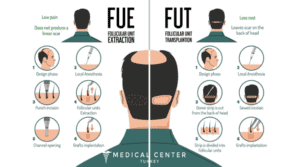
- Follicular Unit Transplantation (FUT): FUT, also known as the strip method, involves surgically removing a strip of scalp from the donor area (usually the back or sides of the scalp) and transplanting individual hair follicles into the recipient area.
- Follicular Unit Extraction (FUE): FUE involves harvesting individual hair follicles directly from the donor area using a small punch device and transplanting them into the recipient area. FUE does not leave a linear scar and may be preferred by individuals who prefer to wear their hair short.
- Healthy Diet: Eating a balanced diet rich in vitamins, minerals, and proteins can support overall hair health and may help prevent further hair loss.
- Stress Management: Managing stress through relaxation techniques, meditation, or exercise may help reduce hair loss caused by stress-related factors.
- Avoiding Damaging Hairstyles: Avoiding tight hairstyles, heat styling tools, and harsh chemical treatments can help prevent damage to the hair follicles and reduce hair loss.

Who is not a Candidate for a Baldness Treatment?
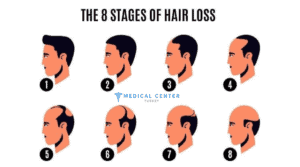
While many individuals with various types of baldness can benefit from treatment, there are certain situations in which treatment may not be suitable or effective. Here are some scenarios in which a person may not be a candidate for baldness treatment: Advanced Hair Loss: In some cases of advanced hair loss, particularly if a significant portion of the scalp is already bald, treatment options such as medications or hair transplantation may be less effective in achieving satisfactory results. Individuals with extensive baldness may not have enough donor hair available for transplantation, or the existing hair follicles may be too damaged to respond to treatment. Underlying Medical Conditions: Certain medical conditions or factors may contraindicate specific hair loss treatments. For example, individuals with certain autoimmune diseases or scalp infections may not be suitable candidates for certain medications or surgical procedures. Additionally, individuals with untreated thyroid disorders or hormonal imbalances may not respond well to hair loss treatments until the underlying condition is addressed. Unrealistic Expectations: It's essential for individuals considering hair loss treatment to have realistic expectations about the potential outcomes. While treatments such as medications or hair transplantation can help slow hair loss and promote hair regrowth in many cases, they may not be able to restore a full head of hair or achieve the desired aesthetic result in every individual. Individuals with unrealistic expectations may not be satisfied with the results of treatment and may not be suitable candidates. Poor General Health: Hair loss treatments such as medications or surgical procedures may not be advisable for individuals with certain underlying health conditions that could increase the risk of complications during treatment or interfere with the healing process. Individuals with uncontrolled medical conditions such as diabetes, cardiovascular disease, or immune disorders may not be suitable candidates for hair loss treatment until their health is stabilized. Financial Considerations: Hair loss treatments such as medications or hair transplantation can be costly, and not everyone may have the financial resources to pursue these options. Individuals who are unable or unwilling to invest in hair loss treatment may not be suitable candidates for certain interventions. Psychological Factors: Hair loss can have a significant impact on self-esteem and quality of life, but not everyone may be psychologically prepared for the challenges associated with hair loss treatment. Individuals with significant psychological distress related to hair loss may benefit from counseling or therapy to address these concerns before considering treatment options. Ultimately, the suitability of hair loss treatment depends on various factors, including the individual's overall health, the extent and cause of hair loss, realistic expectations, and personal preferences. It's essential for individuals considering treatment to consult with a healthcare professional or dermatologist to determine the most appropriate options based on their specific circumstances.