What Are the Risks Involved in Liposuction?
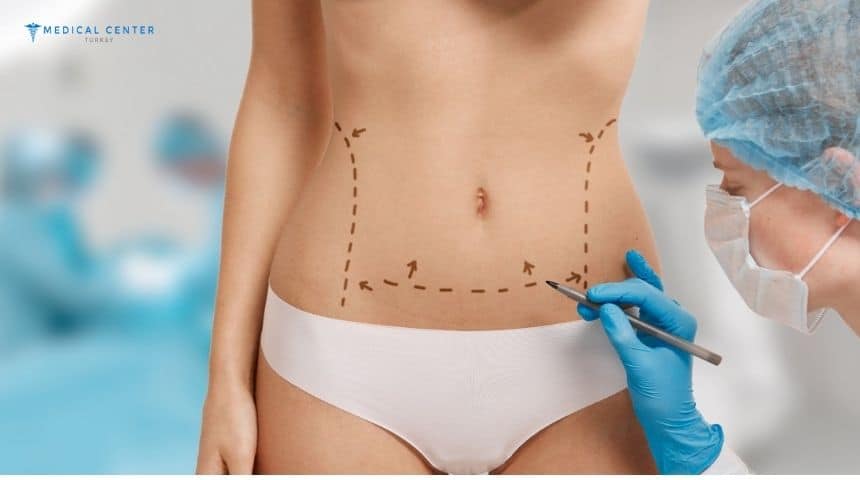
What Are the Risks Involved in Liposuction is an article that aims to give you all the information you do not know about What Are the Risks Involved in Liposuction and more. We kindly shared the main headings with you;
What are the most common risks and complications of liposuction?
Liposuction, like any surgical procedure, carries certain risks and potential complications. The most common risks include infection, bleeding, and uneven fat removal. Infection can occur at the incision site if proper aftercare instructions are not followed, although this is rare with modern sterile techniques and antibiotics. Bleeding is another risk, particularly if the blood vessels are damaged during fat removal. Some patients may also experience hematomas, where blood collects under the skin, causing swelling and bruising.
Uneven fat removal can result in an irregular or lumpy appearance of the skin, which is one of the most common complications. This can be caused by variations in the depth of fat removal or the body’s healing process. Fluid accumulation or seromas, where clear fluid builds up under the skin, can also occur after liposuction.
Other complications may include anesthesia-related risks, such as allergic reactions and blood clots in the legs, which can travel to the lungs (pulmonary embolism). In extremely rare cases, liposuction can lead to organ perforation if the surgeon is not cautious.

Can liposuction cause long-term health issues?
While liposuction is generally considered safe when performed by an experienced surgeon, there are a few potential long-term health issues to consider. One concern is the possibility of contour irregularities or skin sagging, especially in patients with poor skin elasticity. In some cases, the skin may not tighten appropriately after fat is removed, leading to loose or wrinkled skin that may require additional procedures to address.
Liposuction can also cause changes in fat distribution. After the procedure, the body may redistribute fat to other areas, leading to uneven body contours. It’s important to maintain a healthy lifestyle post-surgery, as significant weight gain can undermine the results and cause fat to accumulate in undesirable areas.
Though rare, there can be complications related to fluid imbalance or changes in blood pressure after the procedure. If a significant amount of fat is removed in one session, it could lead to shock or fluid loss, which requires immediate medical attention. However, these risks can be minimized with careful pre-surgery planning and proper aftercare.
How does the risk of infection relate to liposuction procedures?
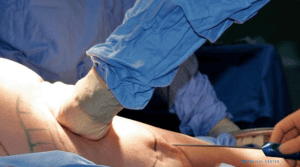
Infection is a potential risk in any surgical procedure, including liposuction. However, the risk is relatively low when the procedure is performed in a sterile, controlled environment. The primary cause of infection after liposuction is bacteria entering the incision sites, which can happen if proper hygiene and post-surgery care are not maintained. To minimize this risk, surgeons take strict precautions, such as using sterile instruments, applying antiseptics, and giving antibiotics before and after surgery to reduce the likelihood of infection.
Post-operative care is crucial in preventing infection. Patients must follow instructions carefully, such as keeping the surgical sites clean and avoiding submerging the treated areas in water (such as in baths or pools) until fully healed. Redness, swelling, fever, or increasing pain around the incision sites can be signs of infection, in which case immediate medical attention should be sought.
While the risk of infection can be minimized with proper surgical techniques and aftercare, patients need to choose experienced and board-certified surgeons who are well-versed in liposuction procedures and infection prevention protocols.
You can easily request a personalized treatment plan and receive your free quote by clicking the image below.
Are there any specific medical conditions that increase the risks of liposuction?
Certain pre-existing medical conditions can increase the risks associated with liposuction. Conditions such as heart disease, diabetes, or blood clotting disorders (e.g., hemophilia) can affect healing, increase the risk of complications, and impact the body’s ability to respond to surgery. These conditions may impair circulation or cause difficulty in controlling bleeding during or after the procedure.
For patients with obesity or those who are significantly overweight, liposuction may carry additional risks, especially if large volumes of fat are removed in a single session. These patients need to be evaluated by a healthcare provider before undergoing liposuction to ensure that they are healthy enough for the procedure.
Additionally, smokers have a higher risk of poor wound healing and skin complications because smoking reduces blood flow and oxygenation in the skin. Smokers are often advised to quit smoking for several weeks before and after the procedure to minimize these risks.
Patients who have active infections, severe allergies, or those who are pregnant or breastfeeding are generally advised to avoid liposuction until their health situation improves. A thorough consultation with a surgeon is necessary to assess any potential risks based on individual health conditions.
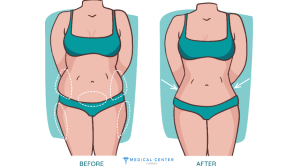
How can patients minimize the risks and ensure a safe liposuction experience in Turkey?
Patients planning to undergo liposuction in Turkey can significantly enhance safety and achieve better results by paying attention to several important factors. The first and most critical step is selecting a qualified and experienced plastic surgeon. Choosing a board-certified specialist, reviewing patient feedback, and examining before-and-after photos from previous procedures helps patients feel confident about the surgeon’s skills and the clinical standards.
Before surgery, a comprehensive health evaluation is essential. Providing full information about medical history, allergies, and current medications enables the surgeon to determine whether the patient is suitable for the procedure. Additionally, following pre-surgical recommendations—such as fasting when necessary and stopping certain medications temporarily—can reduce the likelihood of complications during the operation.
Recovery is another key stage for safety and successful results. Patients should carefully follow all post-operative instructions, including wearing compression garments, using prescribed medications, and maintaining a healthy routine. Avoiding smoking, alcohol, and strenuous activities during the healing period supports faster recovery and lowers the risk of side effects.
Regular follow-up check-ups play an important role in monitoring recovery and identifying possible complications early. By choosing a trusted surgeon, preparing properly, and paying attention to post-operative care, patients can minimize risks and enjoy a safe and satisfying liposuction experience in Turkey.
For more detailed information and to inquire about anything you are curious about, feel free to contact us anytime. Click the link below to get in touch with our team.