
What is Rhinoplasty Surgery?
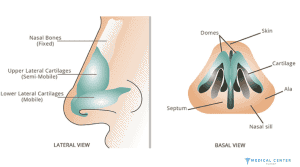
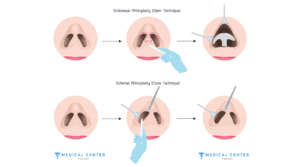
Rhinoplasty is a type of surgery that modifies the shape of the nose. It can be performed for cosmetic reasons—to enhance the appearance of the nose—or for functional reasons—to improve breathing or correct structural issues. The surgery involves altering the bone and cartilage of the nose, and the approach can vary depending on the desired outcome. There are two main types of rhinoplasty:- Open Rhinoplasty: Involves making an incision across the columella (the strip of tissue between the nostrils) and lifting the skin off the nasal structure for better visibility and access.
- Closed Rhinoplasty: Incisions are made inside the nostrils, so no external scars are visible. This method is often used for less complex changes.
Types of Rhinoplasty Surgery in Turkey
In Turkey, rhinoplasty surgery is quite popular and performed using various techniques, much like in other parts of the world. Here are the main types of rhinoplasty surgeries commonly offered:- Open Rhinoplasty: As mentioned earlier, this involves an incision across the columella, allowing the surgeon to have better visibility and control over the nasal structures. It’s often used for more complex cases.
- Closed Rhinoplasty: This technique involves making incisions inside the nostrils. It’s less invasive and typically used for less complex procedures.
- Filler Rhinoplasty: Also known as non-surgical or liquid rhinoplasty, this method involves using injectable fillers to alter the shape of the nose temporarily. It’s a non-invasive option for those looking for minor changes without surgery.
- Revision Rhinoplasty: This is a secondary procedure done to correct or improve the results of a previous rhinoplasty. It can be more complex and requires a skilled surgeon to address the issues from the initial surgery.
- Ethnic Rhinoplasty: Tailored to preserve or enhance ethnic features while reshaping the nose. Surgeons who specialize in this type are experienced in achieving a balance between aesthetic desires and cultural identity.
Rhinoplasty Surgery Prices in Turkey
The cost of rhinoplasty surgery in Turkey can vary widely based on several factors, including the complexity of the procedure, the surgeon’s experience, and the clinic's location. On average, rhinoplasty in Turkey might cost between €3,000 and €4,000. Here’s a rough breakdown:- Standard Rhinoplasty- Re-Shape (Treatment Time:7 days): Typically costs €3,325. This includes the surgery itself and basic pre- and post-operative care.
- Rhinoplasty Complicated/Septorhinoplasty (Treatment Time:7 days): These procedures can be more expensive like €3,653 due to the additional skill and time required.

Rhinoplasty Surgery Procedure in Turkey
The rhinoplasty surgery procedure in Turkey generally follows the same steps as elsewhere, but the specifics might vary depending on the clinic and surgeon. Here’s a typical overview of the process: Pre-Operative Phase Consultation: You’ll meet with the surgeon to discuss your goals, medical history, and expectations. The surgeon will evaluate your nose structure and may use imaging technology to plan the surgery. You might undergo some tests or imaging to assess the health of your nose and overall condition. Planning:-
- Customization: The surgeon will tailor the procedure to meet your specific needs and desired outcome.
- Preparation: You’ll receive instructions on how to prepare for surgery, including dietary restrictions and medications to avoid.
-
- You’ll be given general anesthesia (making you asleep) or local anesthesia with sedation, depending on the complexity of the procedure and your preference.
-
- Open Rhinoplasty: Incisions are made across the columella and inside the nostrils.
- Closed Rhinoplasty: Incisions are made only inside the nostrils, leaving no visible external scars.
-
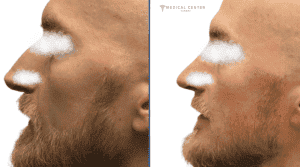
- The surgeon will alter the bone and cartilage as needed to achieve the desired shape. This might involve removing or adding tissue.
-
- After reshaping, the incisions are closed with sutures. For open rhinoplasty, external stitches may be used, while closed rhinoplasty uses internal stitches.
-
- A splint or packing might be placed inside your nose to support the new shape and minimize swelling. You may also have external splints or bandages.
 Post-Operative Phase
Recovery:
-
- You’ll need to rest and avoid strenuous activities for a few weeks. Swelling and bruising are common and typically subside within a couple of weeks.
- Follow-up visits will be scheduled to monitor your recovery and remove any splints or packing.
-
- Medication: Pain management and antibiotics may be prescribed.
- Instructions: You’ll receive guidelines on how to care for your nose, including how to clean it and what activities to avoid.
-
- It can take several months for the final shape of your nose to fully settle and swelling to completely subside. Follow-up visits will help ensure that everything is healing properly.
What are the Criteria for Getting a Rhinoplasty Surgery?
The criteria for getting rhinoplasty surgery generally include medical, psychological, and practical considerations. Here’s a breakdown of the main factors: Medical Criteria- Age: Ideal candidates are usually over 15-16 years old. For teenagers, the nose should have fully developed, which is typically around this age. Younger patients may be considered if there are specific medical reasons.
- Health: You should be in good overall health. Conditions like uncontrolled diabetes or blood disorders may affect surgery outcomes. The surgeon will conduct a thorough medical evaluation to ensure you are fit for the procedure.
- Nasal Structure: Your nasal anatomy should be assessed to determine if rhinoplasty can achieve your desired results. This might involve imaging or physical examination.
- Realistic Expectations: You should have realistic expectations about what rhinoplasty can achieve. The goal is to improve the appearance or function of your nose, but it may not deliver perfect results.
- Psychological Stability: It’s important that you are psychologically stable and have a clear understanding of the procedure, risks, and recovery process. Emotional and mental well-being plays a role in a successful outcome.
- Cosmetic Concerns: If you are seeking rhinoplasty for aesthetic reasons, the concerns should be specific and well-articulated. The surgeon will work with you to ensure that the changes align with your vision.
- Functional Issues: If the surgery is needed to address functional problems such as difficulty breathing, a thorough evaluation will be conducted. The procedure might also include corrective measures for structural issues.
- Commitment to Recovery: Rhinoplasty requires commitment to post-operative care and recovery. You should be prepared to follow recovery guidelines and manage the initial swelling and bruising.
- Lifestyle and Support: Consider your lifestyle and support system. Having someone to assist you during recovery can be helpful, especially in the first few days after surgery.
- Consultation: During the initial consultation, the surgeon will assess your suitability for the procedure based on these criteria. They will discuss your goals, review your medical history, and evaluate your nasal structure.
Related Package
Rhinoplasty Turkey
All-inclusive nose job packages with experienced plastic surgeons and full aftercare.