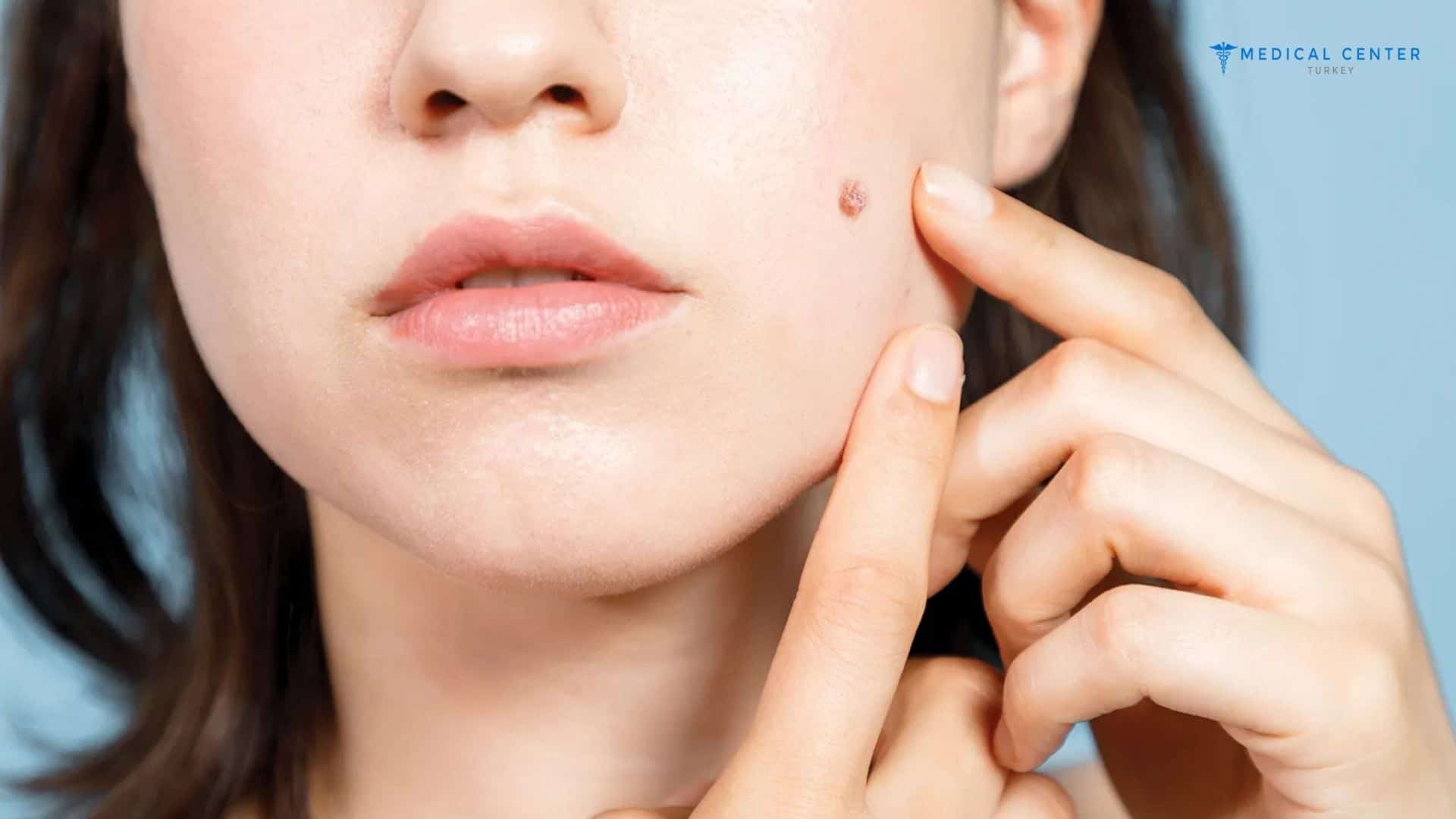
Reasons and Aesthetic Causes for Mole Removal
Reasons and Aesthetic Causes for Mole Removal is an article that aims to give you all the information you do not know about Mole Removal and more. We kindly shared the main headings with you;
When should a mole be removed for medical reasons rather than cosmetic ones?
Moles are very common and most of them are harmless. However, some moles can become a medical concern and should be removed for health reasons, not just appearance. Knowing the warning signs is important for early diagnosis and skin safety.
One of the main medical reasons for mole removal is a change in the mole’s appearance. Doctors often use the ABCDE rule. This includes asymmetry, irregular borders, uneven color, large diameter, and evolving size or shape. If a mole starts to grow, darken, itch, or bleed, it should be checked by a medical professional as soon as possible.
Another reason is pain or discomfort. A mole that causes tenderness, burning, or frequent irritation may need medical evaluation. This is especially true for moles located in areas exposed to friction, such as the neck, underarms, or waistline.
Moles that appear suddenly in adulthood or change rapidly over a short time can also be a warning sign. In some cases, these changes may be linked to skin cancer, including melanoma. Early removal allows doctors to examine the tissue and prevent possible complications.
Family history is another important factor. People with a history of skin cancer or atypical moles may need closer monitoring. Doctors may recommend removing certain moles as a preventive step.
Unlike cosmetic mole removal, medical removal focuses on protecting overall skin health. The procedure is usually quick and performed under local anesthesia, with minimal downtime.
Mole removal becomes medically necessary when there are visible changes, discomfort, or potential health risks. Regular skin checks and early action play a key role in keeping your skin healthy and safe.

How do doctors decide whether a mole is suspicious or safe?
Doctors use several simple but effective methods to decide whether a mole is safe or needs further attention. Most moles are harmless, but regular evaluation helps protect skin health and detect problems early.
One of the first steps is a visual skin examination. Doctors carefully look at the mole’s shape, color, size, and borders. A healthy mole usually has a smooth edge, even color, and a stable size. In contrast, suspicious mole signs include uneven borders, multiple colors, or rapid growth.
The ABCDE rule is commonly used during this process. It focuses on Asymmetry, Border irregularity, Color variation, Diameter larger than usual, and Evolution over time. If a mole shows one or more of these features, doctors may recommend closer monitoring or removal.
Doctors also ask about symptoms. Itching, bleeding, pain, or sudden changes can be important warning signals. A mole that feels different from others on the body may need further evaluation.
Another helpful tool is dermoscopy. This is a special magnifying device that allows doctors to see deeper skin patterns not visible to the naked eye. It helps distinguish harmless moles from those that may require testing.
In some cases, a biopsy is recommended. This means removing part or all of the mole and examining it under a microscope. This step provides clear results and helps rule out serious conditions.
Medical history also plays a role. People with a family history of skin cancer or many atypical moles may need more frequent skin checks.
Doctors rely on professional examination, advanced tools, and patient history to decide whether a mole is safe or suspicious. Early assessment helps ensure timely care and long-term skin safety.

Does removing a mole for aesthetic reasons leave a scar?
Many people consider mole removal for aesthetic reasons and naturally wonder if the procedure will leave a scar. The answer depends on several factors, including the removal method, the mole’s size, and individual skin healing.
In most cases, aesthetic mole removal scar risk is low when the procedure is performed using the right technique. Small and raised moles are often removed with minimally invasive methods, which usually result in little to no visible scarring. Flat or deeper moles may require more precise treatment, which can slightly increase the chance of a mark.
Skin type also plays an important role. Some people heal quickly with smooth skin, while others may be more prone to visible scars. Proper aftercare is essential for better healing. Keeping the area clean, avoiding sun exposure, and following medical advice can significantly reduce scar formation.
The location of the mole is another key factor. Areas with high skin tension, such as the shoulders or chest, may heal more slowly. In contrast, facial skin often heals well due to good blood circulation, making scars less noticeable over time.
Technique and experience matter as well. When aesthetic mole removal is planned carefully, the goal is to protect surrounding skin and support natural healing. Modern techniques focus on precision and minimal tissue damage.
It is also important to have realistic expectations. While no skin procedure is completely scar-free, most scars fade over time and become barely noticeable. With proper care, the skin usually looks smooth and natural.
Removing a mole for aesthetic reasons does not always leave a scar. When the right method is used and aftercare is followed, the results are often clean, subtle, and satisfying for many patients.
If you want to get more detailed information about our packages related to this treatment, you can contact us. Just click on the link below.

What are the most common aesthetic reasons people choose mole removal?
Many people choose mole removal not because of health concerns, but to improve their appearance and feel more confident. While most moles are harmless, their location or look can affect how a person feels about their skin. The aesthetic reasons for mole removal are often personal and based on daily comfort and self-image.
One of the most common reasons is visibility. Moles on the face, neck, or hands are always noticeable and may draw unwanted attention. People often prefer a smoother and more even skin appearance, especially in areas that are always exposed.
Another important reason is size or shape. Raised or large moles can create an uneven skin texture. Some people feel that these moles affect makeup application or make the skin look less smooth in photos. Removing them can help achieve a cleaner and more balanced look.
Color differences also play a role. Dark or unevenly colored moles may stand out against the natural skin tone. For individuals who value clear and bright skin, this contrast can feel distracting and reduce confidence.
Friction and irritation are also aesthetic concerns. Moles that rub against clothing, jewelry, or accessories can become red or inflamed. Even if they are not medically dangerous, constant irritation can affect comfort and appearance.
Social and emotional factors matter as well. Some people associate certain moles with negative comments or past insecurities. Mole removal can help them feel more confident in social or professional settings.
Aesthetic mole removal is often chosen to improve skin harmony, comfort, and self-confidence. When planned carefully, it can support a natural look and help people feel better about their appearance.

Is mole removal a permanent solution, or can moles grow back?
Many people considering mole removal wonder if the results are permanent. The short answer is that in most cases, mole removal is long-lasting, but under certain conditions, moles can grow back. Understanding how and why this happens helps set realistic expectations.
One important factor is the type of mole and how deep it is in the skin. Some moles are located only on the surface, while others extend deeper into the skin layers. If a mole is not completely removed from its root, there is a chance that it may return over time. This is one of the main reasons people ask, can moles grow back after removal.
The removal method also matters. Techniques designed for aesthetic purposes often focus on achieving a smooth skin surface. While these methods are effective, deeper moles may require more precise removal to reduce the chance of regrowth.
Skin healing and individual biology play a role as well. Some people naturally form new pigment cells more easily, which may cause a mole-like spot to reappear in the same area. This does not always mean the original mole has returned, but it should still be monitored.
Sun exposure is another factor. Excessive sun can stimulate pigment cells and lead to new moles forming near the treated area. Proper sun protection helps maintain long-term results and overall skin health.
It is also important to remember that new moles can appear naturally over time, especially due to age or hormonal changes. These new moles are not related to the removed one.
Mole removal is usually a permanent solution, but in some cases, regrowth can occur. Regular skin checks and proper aftercare help ensure safe and satisfying long-term outcomes.
If you want to get more detailed information about this surgery, just click on the link below. We are always ready to help you.