What are the benefits of choosing orthopedic surgery in Turkey for joint and bone procedures?
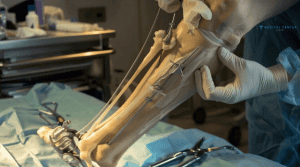
Turkey has become a popular destination for medical tourism, particularly for orthopedic surgeries, due to several key factors. The country offers world-class healthcare facilities, skilled surgeons, and highly competitive prices, making it an ideal option for individuals seeking joint and bone procedures. One of the main benefits is the accessibility to top-tier hospitals and clinics that specialize in orthopedic care, which are often equipped with the latest medical technology and innovations. Many orthopedic surgeons in Turkey have received international training and have years of experience performing complex procedures. This expertise, combined with high standards of medical practice, ensures that patients receive care of the highest quality. Additionally, Turkey offers a wide range of orthopedic treatments, including joint replacements, spinal surgeries, sports injuries, and fracture repairs, which are performed with precision and care. Another significant advantage of seeking orthopedic surgery in Turkey is the affordability. The cost of surgery and associated treatments is typically lower than in countries like the United States, the UK, or Europe, without compromising on quality. This makes it a viable option for many individuals seeking to save on medical expenses while receiving top-notch care. Furthermore, the convenience of combining surgery with recovery in a beautiful and culturally rich country like Turkey adds to the appeal. Many patients find it beneficial to recover in a serene environment, with the option to explore local attractions and enjoy the hospitality Turkey is famous for.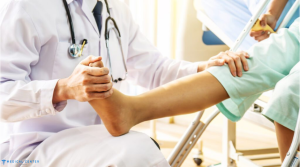
What is the typical recovery time after orthopedic surgery in Turkey?
The recovery time after orthopedic surgery in Turkey can vary depending on the type of surgery performed, the patient's overall health, and adherence to post-operative care instructions. However, in general, most orthopedic surgeries, whether they involve joint replacements, fractures, or sports injuries, have a similar recovery trajectory, typically spanning from a few weeks to several months. For less invasive procedures like arthroscopic surgeries or minor joint repairs, patients may experience a shorter recovery time, with initial healing taking place within 1-2 weeks. During this phase, patients can generally expect to return to daily activities like walking and driving, though high-impact exercises or heavy lifting should be avoided. Swelling and bruising are common, and post-operative pain can be managed with prescribed medications. In more extensive surgeries, such as joint replacements (knee, hip, or shoulder), recovery may take longer. The initial recovery period usually lasts around 6-12 weeks, during which physical therapy plays a significant role in regaining strength, mobility, and functionality. After this period, patients may experience gradual improvement, with full recovery sometimes taking up to a year, depending on the complexity of the surgery and the patient's commitment to rehabilitation. Orthopedic specialists in Turkey provide detailed post-operative plans that include physical therapy and rehabilitation sessions to support a speedy recovery. Patients are often encouraged to gradually increase activity levels while avoiding strenuous physical activities for several months.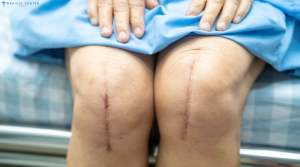
Are there any specific risks or complications associated with orthopedic surgeries on joints and bones?
As with any surgical procedure, orthopedic surgeries, particularly those involving joints and bones, carry certain risks and potential complications. These risks can be minimized through careful planning, choosing an experienced surgeon, and adhering to post-operative care guidelines. Some of the most common risks associated with orthopedic surgeries include infection, bleeding, and blood clots. While infections are rare, they can occur if proper hygiene and care are not maintained during the post-operative period. Surgeons in Turkey take extensive precautions to reduce infection rates by using sterile equipment, administering antibiotics as needed, and ensuring that the surgical environment is safe and clean. Another common risk is joint stiffness or limited mobility after surgery, particularly in joint replacement procedures. Physical therapy is essential to overcoming this issue, and patients are encouraged to actively participate in rehabilitation to restore joint function and prevent complications such as stiffness or muscle atrophy.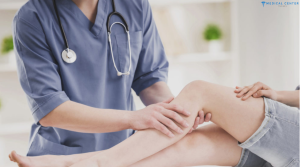 Complications like nerve or blood vessel damage are also possible, although these are relatively rare when performed by skilled orthopedic surgeons. In some cases, patients may experience temporary numbness or weakness in the affected area, but this typically resolves with time and therapy.
For more complex procedures, like spinal surgery or hip replacement, there may also be a risk of implant failure, dislocation, or loosening over time, particularly if post-surgical instructions are not followed correctly. However, modern implant materials and advanced surgical techniques have significantly reduced the occurrence of these issues.
Patients need to have a thorough discussion with their surgeon about these potential risks before proceeding with surgery, ensuring they are fully informed and prepared.
You can easily request a personalized treatment plan and receive your free quote by clicking the image below.

How does the post-operative care and rehabilitation process work after orthopedic surgery in Turkey?
Post-operative care and rehabilitation play a crucial role in the success of orthopedic surgery. In Turkey, specialized orthopedic centers offer comprehensive aftercare programs to support healing and ensure optimal outcomes. The process is tailored to the type of surgery performed, the patient's condition, and the patient's overall health. Immediately following surgery, patients are typically monitored in the recovery room for a few hours to ensure they wake up from anesthesia safely and are stable. Pain management is a priority, and patients are given medications to control discomfort. Depending on the surgery, patients may stay in the hospital for a few days, during which they will begin basic physical therapy exercises to maintain mobility and prevent stiffness.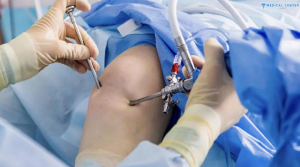 After discharge, rehabilitation begins, often with physical therapy sessions designed to gradually increase movement and strengthen the muscles around the operated area. In Turkey, many hospitals and clinics offer personalized rehabilitation programs that focus on improving joint mobility, reducing pain, and restoring functionality. The physical therapist will guide patients through exercises that are designed to help regain range of motion, balance, and strength.
For more extensive procedures, like hip or knee replacements, the rehabilitation process may take several months. Patients may need to undergo several sessions of physical therapy each week, gradually increasing the intensity and complexity of exercises. Support is also provided for those who need assistance with walking aids, like crutches or walkers, as they regain their mobility.
In addition to physical therapy, patients are encouraged to follow a healthy diet and lifestyle to support healing. Nutritional supplements, vitamins, and proper hydration are key factors in speeding up recovery and reducing inflammation.