What are the latest innovations in rhinoplasty techniques that enhance safety?
Rhinoplasty has seen tremendous advancements in recent years, particularly in the areas of surgical precision and patient safety. One of the most groundbreaking innovations is the use of 3D imaging and virtual reality (VR) to plan and visualize the procedure before making any incisions. Surgeons now use these technologies to create highly accurate simulations of the patient’s nose and simulate the results, ensuring that the surgery aligns perfectly with the patient’s aesthetic goals and the natural contours of their face. This level of detailed planning minimizes the risk of unsatisfactory results and complications, such as asymmetry. Additionally, minimally invasive rhinoplasty techniques, such as closed rhinoplasty, have become more common. In closed rhinoplasty, the incisions are made inside the nostrils, which reduces visible scarring and lowers the risk of infection. This technique is particularly advantageous for patients who require minor corrections and is associated with faster recovery times. Furthermore, computer-assisted surgery (CAS) has revolutionized the precision of rhinoplasty. CAS uses robotic assistance to guide the surgeon, ensuring an exact and controlled procedure that reduces human error. Another significant development is the use of biocompatible materials that better integrate with the body's tissue, reducing the likelihood of complications such as rejection or infection. These innovations, along with the emphasis on precise planning and cutting-edge technology, make rhinoplasty safer than ever before, and Turkey remains a top destination for patients seeking these advanced, minimally invasive procedures performed by world-class surgeons.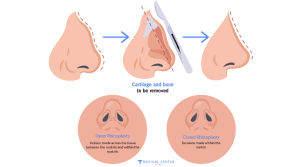
How do advancements in anesthesia contribute to a safer rhinoplasty procedure?
Advancements in anesthesia techniques have played a crucial role in improving the safety and comfort of rhinoplasty patients. One of the key developments is the use of targeted regional anesthesia, where only the area around the nose is numbed, leaving the patient awake but relaxed. This type of anesthesia provides the benefits of full anesthesia without the associated risks and side effects, such as nausea and grogginess, that are common with general anesthesia. Furthermore, sedation techniques have become much more sophisticated, allowing patients to experience a deeply relaxed state during surgery while avoiding the risks associated with being fully unconscious. Modern sedation methods are tailored to each patient’s needs and medical history, offering a personalized approach that enhances safety. Anesthesia is also monitored in real-time, with advanced anesthesia monitoring systems ensuring that the patient’s vital signs, such as heart rate and oxygen levels, remain stable throughout the procedure. Additionally, recent advancements in pain management have contributed to the overall safety of rhinoplasty. Patients are now given long-acting local anesthetics post-surgery, reducing the need for narcotic painkillers and minimizing the risk of post-operative side effects. This allows for a smoother recovery with less discomfort and a significantly reduced risk of complications. As a result of these innovations, patients who choose rhinoplasty in Turkey can expect not only the expertise of highly trained surgeons but also a more comfortable and safer experience with modern anesthesia techniques.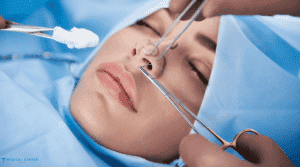
Are the risks of complications during rhinoplasty lower than in previous years?
Yes, the risks of complications during rhinoplasty are significantly lower compared to previous years, primarily due to the rapid advancement of surgical techniques, technology, and post-operative care. One of the most important factors in reducing these risks is the widespread use of 3D imaging and virtual simulations. These technologies allow surgeons to plan the procedure meticulously, predicting how the surgery will affect the patient’s facial structure and ensuring that the results will meet the patient's expectations. With accurate pre-operative planning, complications such as asymmetry, over-reduction, or structural damage to the nose are less likely to occur. Additionally, minimally invasive techniques, like closed rhinoplasty, have dramatically reduced the risk of infection and scarring. The less invasive the procedure, the lower the chance for complications. Another significant advancement is the use of advanced suturing techniques, which help to ensure better healing and prevent issues such as nasal collapse or scarring. Robotic-assisted surgery has also improved surgical precision, further decreasing the risk of complications.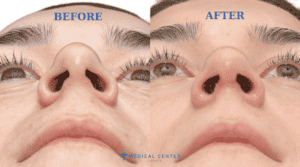
How do modern anesthesia techniques contribute to a safer rhinoplasty experience?
Modern anesthesia techniques contribute significantly to the safety and comfort of rhinoplasty patients by allowing for more targeted, personalized approaches to pain management and sedation. Targeted regional anesthesia has emerged as a safer alternative to general anesthesia, especially for rhinoplasty, because it numbs only the specific area being treated, allowing patients to remain calm and aware without the risks associated with being fully unconscious. This type of anesthesia minimizes the risk of complications such as airway obstruction, which can be more likely with general anesthesia. In addition, light sedation techniques have evolved, providing a relaxed and comfortable experience for patients without the potential side effects that traditional anesthesia often causes, such as nausea, vomiting, or prolonged grogginess. This approach also leads to faster recovery times, enabling patients to return to their normal activities more quickly.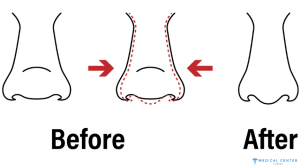
What precautions should patients take to ensure the safest rhinoplasty experience?
To ensure the safest rhinoplasty experience in 2026, patients should follow a few critical precautions before and after their procedure. The first and most important step is selecting a highly experienced, qualified surgeon. Look for a surgeon with a proven track record in rhinoplasty, who stays up-to-date with the latest techniques and technologies. In Turkey, many surgeons are internationally recognized for their expertise in facial surgeries, and choosing a reputable medical center can significantly enhance the overall safety and success of the procedure. Before the surgery, patients should undergo a thorough pre-operative consultation to discuss their medical history, including any allergies, existing health conditions, and medications they may be taking. This step is crucial in identifying any potential risks and ensuring that the anesthesia and surgical plan are tailored to the patient's specific needs. It’s also important for patients to follow the pre-surgery instructions provided by their surgeon, which may include stopping certain medications, avoiding smoking, and fasting for a specific period before the procedure. These instructions help reduce the risk of complications during surgery and promote better healing afterward. Lastly, after the procedure, patients should adhere to all post-operative care guidelines, including avoiding strenuous activity, taking prescribed medications as directed, and attending follow-up appointments to ensure proper healing. The recovery process is essential for minimizing complications, and a diligent approach to care will ensure that the final results are as smooth and satisfying as possible. You can easily request a personalized treatment plan and receive your free quote by clicking the image below.