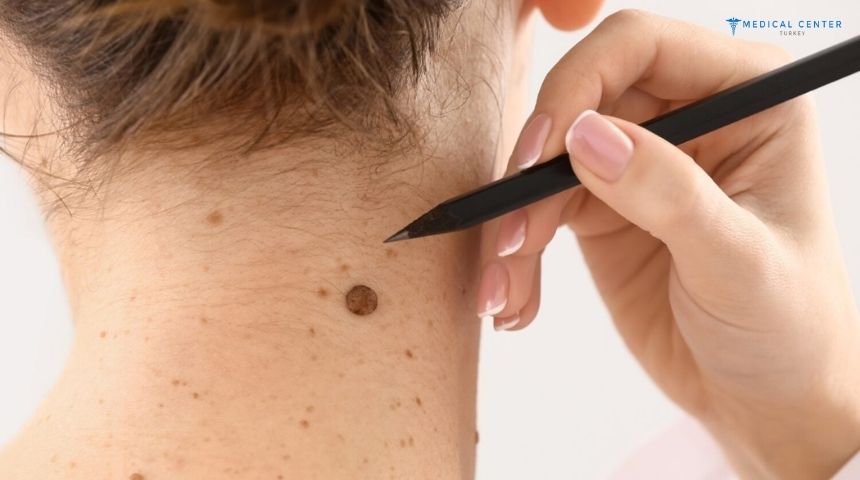
Is Mole Removal Still Popular in 2026?
Is Mole Removal Still Popular in 2026 is an article that aims to give you all the information you do not know about Mole Removal and more. We kindly shared the main headings with you;
Is mole removal still considered a cosmetic trend in 2026?
Yes mole removal in 2026 is still one of the most popular cosmetic procedures around the world. With the rise of skincare awareness and advanced medical technology, more people are choosing to remove unwanted moles for both aesthetic and personal reasons.
In 2026, smooth and even-toned skin is a major beauty goal. Social media, high definition cameras, and selfie culture have made people more focused on how their skin looks. This has increased the demand for non-invasive mole removal treatments, especially on the face, neck, and hands. Another reason why mole removal in 2026 is trending is because the procedures are now safer, faster, and more effective than ever. Thanks to updated laser technologies and minimally invasive techniques, mole removal is often done in just one short visit with little to no downtime.
Many patients say they feel more confident and refreshed after removing a mole, especially when it’s in a visible area. This emotional and cosmetic benefit makes it more than just a skincare step it becomes a part of self care. At Medical Center Turkey, mole removal is performed by experienced specialists using modern techniques that focus on both safety and natural looking results. Whether the mole is raised, flat, or dark in color, the right method is selected based on your skin type and personal goals. Mole removal in 2026 is not just still popular it’s evolving. It’s quick, effective, and increasingly part of people’s beauty and wellness routines.

What are the latest technologies used for mole removal today?
Mole removal has come a long way in recent years. In 2026, there are several advanced technologies used to remove moles safely, quickly, and with minimal scarring. Whether a mole is raised, flat, or pigmented, the right technology can make a big difference in the result.
One of the most popular mole removal methods in 2026 is laser removal. This technique uses high energy light to break down mole cells without damaging the surrounding skin. Laser removal is fast, effective, and especially useful for small, non cancerous moles. Most people love it because there is very little pain and no stitches required.
Another common option is radiofrequency (RF) mole removal. This method uses low temperature, high frequency radio waves to gently remove moles layer by layer. It is known for being precise and leaving smoother skin behind. It’s also a great option for people with sensitive skin.
Plasma pen technology is also gaining popularity. It works by using plasma energy to vaporize the mole tissue. This technique is non-invasive and perfect for flat moles or small skin tags. For deeper or larger moles, surgical excision is still used. However, thanks to modern tools, even surgical methods today are much less invasive than before.
At Medical Center Turkey, we focus on using the latest mole removal technologies to ensure the safest and most natural looking results. Each treatment is personalized based on skin type, mole size, and the patient’s preferences.

Can mole removal leave scars in 2026, or is it scar free now?
Thanks to new advancements in technology, the risk of scarring is much lower than it was years ago. In most cases, mole removal in 2026 can be done with minimal to no visible scars, especially when modern, non invasive methods are used.
Techniques like laser mole removal, radiofrequency ablation, and plasma pen treatment target only the mole, leaving surrounding skin almost untouched. These procedures are precise and cause less skin trauma, which helps reduce the chance of permanent marks.
However, whether or not a mole removal scar will form depends on several factors:
- The depth and size of the mole
- The removal method chosen
- The individual’s skin type and healing ability
- Proper aftercare and sun protection during recovery
While shallow, flat moles often heal with no marks, deeper or raised moles may leave a small trace though much lighter and smoother than in the past. Over time, even these marks tend to fade and become less noticeable.
Most importantly, following post-treatment care instructions plays a big role in scar prevention. Keeping the area clean, avoiding sun exposure, and not picking at the skin all support healthy healing.
Mole removal scar 2026 is not a major concern for most patients. With the right approach and care, clearer, smoother skin is easier to achieve than ever before.
You can easily request a personalized treatment plan and receive your free quote by clicking the image below.

How long does the healing process take after mole removal today?
Many people wonder, how long does the healing process take after mole removal today? The healing time can vary depending on the removal method, mole size, and your skin type. Thanks to modern technology, healing is faster and easier than ever.
For non invasive treatments like laser mole removal, healing usually takes about 7 to 10 days. During this time, you might experience slight redness or a small scab where the mole was removed. These symptoms are normal and fade quickly with proper care.
If the mole is removed with radiofrequency or plasma pen, the healing process is similar, often lasting one to two weeks. These techniques are gentle and cause minimal damage to surrounding skin, helping your skin recover smoothly.
For larger or deeper moles removed through surgical excision, healing takes longer usually 2 to 3 weeks. Stitches, if used, are typically removed after 7 to 10 days. Some redness or mild swelling may remain but will improve gradually.
Several factors affect the healing process:
- The size and depth of the mole
- The area of the body treated
- Individual skin type and health
- Following aftercare instructions carefully
Proper care is crucial for quick recovery. Keep the area clean and dry, avoid picking at scabs, and protect your skin from sun exposure. Using any recommended ointments or creams can also speed up healing and reduce scarring.
The healing process after mole removal today usually takes between 7 days and 3 weeks, depending on the method and mole size. With the right care, your skin will look clear and healthy in no time.
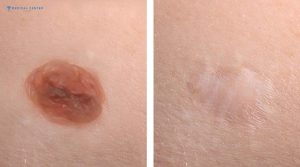
Do people remove moles for medical reasons or purely for aesthetics?
People remove moles for different reasons, both medical and aesthetic. Understanding why mole removal is done helps you make the right choice for your skin health and appearance.
Many choose mole removal for medical reasons. Sometimes, moles change in size, shape, or color, which can be a warning sign of skin problems like melanoma, a type of skin cancer. In these cases, doctors recommend removing the mole to prevent any risk. Removing suspicious moles early can save lives and is an important part of skin health care.
On the other hand, mole removal is also very popular for aesthetic reasons. Some moles are located on visible areas like the face, neck, or hands, and people want smoother, clearer skin. Removing moles that affect confidence or beauty is common, and modern techniques make this process safe and effective. Many people feel more confident and happy after cosmetic mole removal.
It’s important to remember that mole removal should always be done by a professional. Whether the reason is medical or aesthetic, experts can choose the best method to ensure safety and good results. In 2026, advances in technology make mole removal faster, less painful, and with minimal scarring. This means both medical and cosmetic removals are easier and more accessible than before.
Mole removal reasons 2026 include both health protection and personal appearance. Whether for medical safety or boosting confidence, mole removal is a common and trusted procedure.

Is there a difference between laser mole removal and surgical excision?
Many people wonder about the difference between laser mole removal and surgical excision. Both are popular methods to remove moles, but they work differently and suit different needs.
Laser mole removal uses focused light beams to break down the mole’s pigment and tissue. It is a non invasive method, meaning no cuts or stitches are needed. This technique is best for small, flat, or slightly raised moles. Laser removal usually causes less pain and has a quicker healing time. It also lowers the chance of scarring because it targets only the mole without affecting the surrounding skin.
On the other hand, surgical excision is a more traditional method. In this procedure, the mole is cut out completely with a scalpel. This is often preferred for larger, deeper, or suspicious moles that need to be tested for medical reasons. After the mole is removed, the doctor usually stitches the skin back together. Healing takes longer, and there might be a small scar, but this method guarantees the entire mole is gone.
Choosing between these methods depends on the mole’s size, location, and type. Laser mole removal is quick and cosmetic friendly, while surgical excision is thorough and sometimes medically necessary. In 2026, both options are safe and effective. Consulting with a professional is important to decide the best choice for your skin and health.
Laser mole removal vs surgical excision differ mainly in technique, healing time, and scarring risk. Knowing these differences helps you pick the best method for your mole removal.
If you want to learn more and get support, you can always contact us. The link you can reach for a free consultation is located below. It won’t take much of your time.