How is Childbirth in Turkey?
Childbirth in Turkey can vary depending on whether it takes place in a public or private hospital, as well as individual preferences and medical needs. However, the overall standard of maternal care in Turkey is generally high, with modern medical facilities and skilled healthcare professionals. Here’s an overview of childbirth in Turkey: Public vs. Private Hospitals- Public Hospitals: Public healthcare is affordable, and Turkish citizens can access it through the country's universal health insurance system. However, public hospitals can be busy, and the level of comfort might be less compared to private hospitals. Maternity wards may have shared rooms, and wait times can be longer.
- Private Hospitals: Private hospitals offer more personalized care, shorter wait times, and higher comfort levels, such as private rooms. The quality of care is generally excellent, but costs are significantly higher. Many expatriates and those seeking premium care choose private facilities for childbirth.
- Skilled Healthcare Professionals: Obstetricians and midwives in Turkey are well-trained, and the medical standards are on par with Western countries. Many doctors are fluent in English, especially in private hospitals, which is beneficial for expatriates.
- Advanced Technology: Most hospitals, especially private ones, are equipped with modern medical technology, providing advanced prenatal care, monitoring, and emergency services.
 Types of Delivery
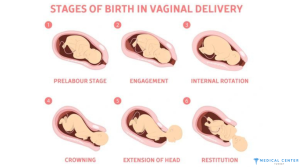
- Natural Birth (Vaginal Delivery): This is encouraged when possible, and many women in Turkey opt for natural childbirth. Midwives and doctors support natural births unless there are complications.
- C-Section: Turkey has a relatively high rate of C-sections compared to some other countries, with many women choosing this option, particularly in private hospitals. However, recent efforts by healthcare authorities aim to reduce non-medically necessary C-sections.
- Prenatal care in Turkey is thorough, with regular check-ups, ultrasounds, and other necessary screenings. Expectant mothers can access prenatal classes, especially in private hospitals, to prepare for childbirth.
- Postnatal care is also well-organized, with most hospitals offering support for breastfeeding, newborn care, and recovery.
- Family Support: Turkish culture places a strong emphasis on family, and it's common for extended family members to be involved during childbirth and postpartum care. In many cases, women receive a lot of support from their families during and after pregnancy.
- Traditional Practices: While medical care is modern, some traditional practices, such as postnatal confinement (staying indoors for 40 days after birth), are still observed by some families.
What Factors Into the Cost of Giving Birth in Turkey?
The cost of giving birth in Turkey can vary widely depending on several factors, particularly whether the birth takes place in a public or private hospital. Here are the main factors that influence the cost: Type of Hospital: Public vs. Private- Public Hospitals: In public hospitals, Turkish citizens can often access maternal care at little to no cost through the national health insurance system (SGK). However, non-citizens or those without insurance might have to pay out-of-pocket, though the costs are still relatively low.
- Private Hospitals: Private hospitals offer more personalized care and additional comfort, but they come at a higher cost. These hospitals tend to have modern facilities, private rooms, and more specialized services, significantly increasing the price.
- Vaginal Birth: Natural or vaginal births are generally less expensive than C-sections. They require fewer medical interventions and a shorter hospital stay.
- C-Section: Cesarean deliveries tend to be more costly due to the surgical procedure, anesthesia, and longer recovery time in the hospital. In Turkey, C-section rates are relatively high, especially in private hospitals, which can drive up overall costs.
 Medical Care and Services Included
- Prenatal Care: Many private hospitals offer comprehensive prenatal care packages that cover regular check-ups, ultrasounds, and prenatal tests, which can add to the overall cost. These packages may vary depending on the hospital and the level of care provided.
- Postnatal Care: Services like lactation consulting, pediatric care, or additional postnatal check-ups may also impact the cost.
- Emergency Services: Any complications during delivery, such as the need for emergency C-sections or neonatal care, will increase the overall expenses.
- Shorter Stay: Vaginal births usually require a shorter stay in the hospital, reducing overall costs.
- Longer Stay: C-sections or complicated deliveries may require an extended stay, which increases hospital and accommodation fees.
- Turkish Citizens: Citizens with state insurance (SGK) generally have the majority of childbirth costs covered in public hospitals, though some co-pays or additional fees may apply for certain services or private room options.
- Expatriates and Tourists: For those without national insurance, international health insurance or private coverage may help reduce costs, particularly in private hospitals. However, it’s important to verify what aspects of childbirth are covered by the policy.
- Private Rooms: In private hospitals, the choice of a private or VIP room with added luxury, like en-suite bathrooms, a companion bed, and catering services, will increase the cost.
- Shared Rooms: More basic accommodations or shared rooms are typically less expensive.
- Major Cities vs. Small Towns: The cost of giving birth can vary based on the city or region. Major cities like Istanbul, Ankara, or Izmir tend to have higher costs, especially in private hospitals, compared to smaller towns or rural areas where prices may be lower.
- Labor Induction: If labor needs to be induced for medical reasons, this can increase the cost due to the additional medication and monitoring required.
- Epidurals or Pain Management: If you opt for an epidural or other forms of pain relief, this will also add to the overall cost.
- Specialized Doctors: If you choose a highly experienced or renowned obstetrician in a private hospital, their fees might be higher. Some hospitals allow you to choose your own doctor, which can also influence the total cost.

How Much Child Born in Turkey?
Turkey maintains a steady birth rate, with approximately 3,600 births occurring each day, totaling around 1.3 million newborns annually. This trend highlights Turkey’s relatively young population, with a significant proportion of citizens under the age of 30. While the country’s fertility rate has slightly declined to about 1.6 children per woman, overall population growth continues, driven by factors such as improved healthcare, urbanization, and enhanced living standards.
You can easily request a personalized treatment plan and receive your free quote by clicking the image below.How was the Average Cost of Childbirth in Turkey?
The average cost of childbirth in Turkey varies based on whether you choose public or private healthcare. For private hospitals in major cities like Istanbul, the cost of childbirth typically ranges from around $2,500 to $3,000, with C-sections costing slightly more, starting from approximately $3,000. In public hospitals, the cost can be significantly lower, particularly if you are covered by Turkey’s Universal Health Insurance (SGK), where many services, including maternity care, can be free or highly subsidized.