Question: What is Gastric Bypass Surgery?
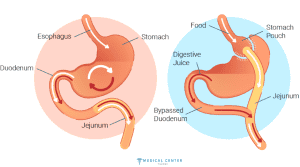
Answer: Gastric bypass surgery involves creating a small pouch from the stomach and connecting it directly to the small intestine. This changes the digestive process so that food bypasses most of the stomach and the first part of the small intestine, leading to reduced calorie and nutrient absorption.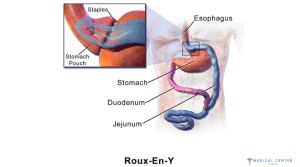
Question: Who is a Candidate for Gastric Bypass Surgery?
Answer: Candidates typically include individuals with:- A Body Mass Index (BMI) of 40 or higher (severe obesity).
- A BMI of 35-39.9 with serious obesity-related health problems such as type 2 diabetes, hypertension, or sleep apnea.
- Those who have not achieved long-term weight loss through diet and exercise.
Question: What are the Benefits of Gastric Bypass Surgery
Answer:-
Achieving significant and lasting weight loss.
-
Improvement or complete resolution of obesity-related health issues, including type 2 diabetes, high blood pressure, sleep apnea, and GERD (gastroesophageal reflux disease).
-
Enhanced quality of life and better physical functioning.

Question: What are the Risks and Complications Associated with Gastric Bypass Surgery?
Answer:- Surgical risks: Infection, bleeding, and adverse reactions to anesthesia.
- Long-term risks: Nutritional deficiencies, dumping syndrome (rapid gastric emptying), bowel obstruction, ulcers, and hernias.
- Psychological effects: Depression or other emotional issues post-surgery.
Question: How Should One Prepare for Gastric Bypass Surgery?
Answer:- Undergoing a comprehensive medical evaluation.
- Attending preoperative counseling and nutritional education.
- Adopting pre-surgery diet and exercise guidelines.
- Stopping smoking and possibly other substances as advised by the surgeon.
- Arranging post-surgery care and support.
Question: Can My Surgery be Done Laparoscopically if I Have Had a Previous Open Abdominal Surgery?
Answer: Yes, it is often possible to perform laparoscopic surgery even if you have had a previous open abdominal surgery. There are several factors: Type of Previous Surgery: The type and extent of your previous surgery can influence the feasibility of a laparoscopic approach. Surgeries that involved a large incision or extensive work within the abdomen may result in more scar tissue (adhesions), which can complicate a laparoscopic procedure. Extent of Adhesions: Adhesions are bands of scar tissue that can form after surgery and cause organs to stick together. While adhesions can make laparoscopic surgery more challenging, experienced surgeons often have techniques to manage and work around them. Surgeon's Expertise: Surgeons who specialize in laparoscopic techniques and have experience with patients who have had previous abdominal surgeries are more likely to successfully perform the procedure laparoscopically. Specific Procedure: The type of surgery you need also matters. Some procedures are more easily adapted to a laparoscopic approach than others, even in the presence of previous surgeries and adhesions. Patient’s Overall Health: Your overall health, including any other medical conditions, can influence the decision. Your surgeon will evaluate whether a laparoscopic approach is safe and appropriate given your specific situation.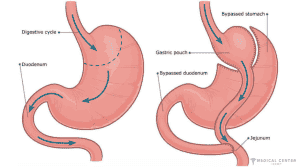
Question: Can Those With a High Body Mass Index Also Have a Laparoscopic Gastric Bypass?
Answer: Yes, it is possible to have a laparoscopic gastric bypass even if you have a high Body Mass Index (BMI). In fact, laparoscopic gastric bypass surgery is often specifically recommended for individuals with obesity due to its effectiveness in weight loss and its minimally invasive nature. However, several factors will influence whether this approach is suitable for you: Factors to Consider:- Overall, Health and Medical Conditions
- Extent of Obesity
- Surgeon's Experience
- Presence of Abdominal Adhesions
- Lifestyle and Compliance
Question: What is the Recovery Process Like After Gastric Bypass Surgery?
Answer: The recovery process involves:- Hospital stays: Typically, 2-3 days.
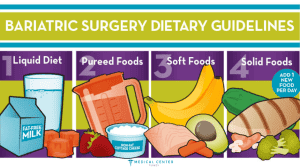
- Initial post-op diet: Starting with liquids and gradually transitioning to pureed, soft, and then regular foods over several weeks.
- Activity: Encouraged to walk and move around shortly after surgery, with gradual resumption of normal activities over 4-6 weeks.
- Follow-up: Regular follow-up visits with the surgical team to monitor progress and nutritional status.

Question: How Much Weight Can be Expected to Lose After Gastric Bypass Surgery?
Answer: Most patients lose about 60-80% of their excess weight within 12-18 months post-surgery. Weight loss varies depending on adherence to dietary and lifestyle changes.Question: What Dietary Changes Are Required After Gastric Bypass Surgery?
Answer:- Eating small, frequent meals.
- Focusing on high-protein foods and avoiding high-fat and high-sugar foods.
- Taking vitamin and mineral supplements to prevent deficiencies.
- Staying hydrated by drinking plenty of water between meals.