Customized Skin Care Treatments for Acne and Scarring in Turkey
Customized Skin Care Treatments for Acne and Scarring in Turkey is an article that aims to give you all the information you do not know about Customized Skin Care Treatments for Acne and Scarring in Turkey and more. We kindly shared the main headings with you;
What are Skin Care Treatments for Acne and Scarring?
There are various skin care treatments for acne and scarring, ranging from topical treatments and over-the-counter options to more intensive in-office procedures performed by dermatologists. The best treatment often depends on the severity of the acne or scarring and individual skin type. Here’s a breakdown of effective treatments:
Topical Treatments
Retinoids: Retinoids like tretinoin and adapalene (available by prescription or in lower strengths over-the-counter) are effective for treating acne and preventing new acne lesions from forming. They also help improve skin texture over time, making scars less noticeable.
Salicylic Acid: A beta-hydroxy acid that helps unclog pores and reduce inflammation. It’s commonly found in cleansers, toners, and spot treatments for acne.
Benzoyl Peroxide: Kills acne-causing bacteria and reduces inflammation. It’s effective for active acne but may cause dryness if overused.
Azelaic Acid: Known for its anti-inflammatory and antimicrobial properties, azelaic acid is effective in treating mild to moderate acne and can help reduce post-inflammatory hyperpigmentation (dark spots).
Vitamin C: An antioxidant that helps brighten the skin and reduce hyperpigmentation, which can make acne scars less noticeable.
Chemical Peels
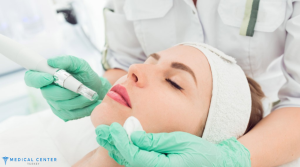
Chemical peels use acids (such as glycolic, salicylic, or lactic acid) to exfoliate the top layer of the skin. This can help reduce mild acne scars, hyperpigmentation, and improve overall skin texture.
Light to Medium Peels: Useful for mild scarring and can be done every few weeks.
Deep Peels: These penetrate more deeply and are more effective for moderate to severe scarring, though they may require more downtime and are best performed by a dermatologist.
Microneedling
Microneedling uses fine needles to create controlled micro-injuries in the skin, which stimulates collagen production. Increased collagen can help smooth out pitted or indented scars over time.
Microneedling is often combined with serums or PRP (platelet-rich plasma) to enhance results. Multiple sessions are usually required for significant improvement.
Laser Treatments
Fractional Laser: Fractional CO2 or Erbium laser treatments work by creating tiny injuries in the skin to stimulate collagen production. This treatment is effective for moderate to severe acne scarring.
Pulsed Dye Laser (PDL): Targets redness in scars, making it effective for red or pink post-inflammatory marks.
Ablative Laser Resurfacing: A more intense option that removes the outer layer of skin, which can smooth out deeper scars. This treatment has a longer recovery period but can be highly effective.
Dermal Fillers
Injectable fillers, such as hyaluronic acid, can be used to temporarily lift indented scars, making them less noticeable. Results are immediate but generally last for 6-12 months, so they may require repeat treatments.
Radiofrequency (RF) Therapy
RF therapy uses radiofrequency energy to heat the skin and stimulate collagen production. Devices such as RF microneedling combine RF with microneedling to treat deeper scars and improve skin texture.
LED Light Therapy
Blue light and red light therapy are non-invasive treatments that reduce inflammation and kill acne-causing bacteria, making them suitable for treating active acne. Regular sessions can help keep acne under control and reduce the risk of scarring.
Cryotherapy
Cryotherapy involves freezing individual acne lesions with liquid nitrogen, which can reduce inflammation and redness. It is also used for raised scars, like keloids, although it may be less effective for pitted scars.
Prescription Medications
Oral Antibiotics: Often used for moderate to severe acne to reduce bacteria and inflammation.
Hormonal Treatments: Options like birth control pills or spironolactone can help regulate hormones that cause acne in some individuals.
Isotretinoin (Accutane): A powerful medication for severe, cystic acne. It’s highly effective but has potential side effects and requires monitoring by a dermatologist.

What is the Process of Customized Skin Care Treatments for Acne and Scarring?
The process of customized skin care treatments for acne and scarring involves a tailored approach based on your skin’s unique needs and concerns. A dermatologist or esthetician will assess your skin, recommend treatments suited to your condition, and create a plan that may include in-office procedures, at-home skincare, or a combination of both. Here’s an overview of the typical process:
Initial Consultation and Skin Assessment
Medical History: Your treatment journey starts with a detailed consultation where the specialist reviews your medical history, lifestyle habits, and any underlying factors—such as hormonal imbalances or dietary triggers that may be impacting your skin health.
Skin Evaluation: During this stage, the practitioner examines your skin type (dry, oily, combination, or sensitive), evaluates the severity of acne, and identifies the type of scarring present, including hyperpigmentation, atrophic scars, or raised scars. This examination typically involves a thorough visual assessment and may include advanced tools like magnifying lamps or a digital skin scanner to analyze deeper skin layers.
Goal Setting: After completing the evaluation, the expert discusses your specific skin goals whether you’re aiming to reduce active acne, lighten scars, or enhance overall skin texture. Together, you will create a personalized treatment plan that aligns with your needs and desired results.

Treatment Plan Development
Personalized Skin Care Regimen: The professional will recommend a skincare routine that could include specific products (cleansers, toners, treatments, and moisturizers) designed to address acne, prevent future breakouts, and promote skin healing for scarring. The regimen might involve products with active ingredients such as salicylic acid, benzoyl peroxide, retinoids, vitamin C, or hyaluronic acid.
In-Office Treatments: In addition to home care, several in-office procedures can be included in the customized treatment plan, depending on the severity of your acne and scars. These may include:
Chemical Peels
Microneedling
Laser Treatments (e.g., fractional CO2 or erbium laser)
PRP (Platelet-Rich Plasma) Therapy
Radiofrequency Therapy
Dermal Fillers (for deeper scarring)
Frequency and Duration: The provider will specify how often you’ll need treatments (e.g., weekly, bi-weekly, or monthly) and for how long to achieve optimal results.
In-Office Treatments
Depending on the chosen treatments, here are the details of some common procedures used for acne and scarring:
Chemical Peels: A professional will apply a chemical solution to exfoliate the outer skin layers, promoting the growth of new, healthy skin. Different types of peels (superficial, medium, or deep) are used depending on the level of scarring and acne.
Superficial Peels: Usually for mild acne and pigmentation.
Medium to Deep Peels: For more severe acne scarring and textured skin.
Microneedling: Tiny needles are used to create micro-injuries in the skin, stimulating collagen production. This helps improve skin texture, minimize scarring, and promote healing. Sometimes, PRP is applied during microneedling to enhance results.
Laser Treatments: Lasers like fractional CO2 and Erbium lasers can help resurface the skin, reducing the appearance of scars and improving overall skin texture. These lasers work by creating controlled damage to the skin, which encourages healing and collagen production. Lasers can be adjusted based on the depth and type of acne scarring.
Radiofrequency (RF) Therapy: RF microneedling combines microneedling with radiofrequency energy to treat deeper scars and tighten skin. It’s often used for more severe scarring or when improving skin texture is the goal.
Dermal Fillers: For deep, pitted acne scars, fillers such as hyaluronic acid may be used to plump up the skin and reduce the appearance of indented scars.
PRP (Platelet-Rich Plasma): PRP involves drawing a small amount of your blood, processing it to concentrate the platelets, and then reapplying it to your skin. PRP helps in the healing process by stimulating cell turnover and collagen production, making it especially effective for scar healing.
At-Home Skincare and Aftercare
Home Care Routine: Along with professional treatments, your dermatologist or esthetician will provide recommendations for daily skin care at home. This may include:
Gentle Cleansers: To prevent irritation and maintain skin balance.
Acne-Specific Treatments: Topical treatments like salicylic acid, benzoyl peroxide, or retinoids to prevent breakouts and help with scar healing.
Moisturizers: Hydrating products that promote skin healing and prevent dryness from more aggressive treatments.
Sunscreen: Daily SPF protection is crucial, as sun exposure can worsen scarring and pigmentation.
Post-Treatment Care: After in-office treatments like chemical peels, lasers, or microneedling, your skin may be more sensitive. Aftercare might involve:
Cooling Masks or Ointments: To soothe the skin and reduce inflammation.
Avoiding Sun Exposure: For a period of time, as the skin will be more sensitive to UV rays.
Avoiding Makeup: Immediately after certain treatments, especially if there’s any peeling or micro-injury involved.
Follow-up Appointments
Progress Monitoring: Regular follow-up visits (every 4-6 weeks, depending on the treatment) will help monitor your progress, assess the results, and adjust the treatment plan as needed. The dermatologist may suggest changes to your skin care routine or recommend additional treatments if necessary.
Maintenance and Long-Term Results
Maintenance Phase: Once your acne is under control and scarring has improved, you may enter a maintenance phase. This might involve less frequent in-office treatments and continued at-home care to maintain clear skin and prevent new acne.
Long-Term Results: Depending on the severity of your acne and scarring, multiple sessions may be required to achieve the desired results. Improvements may be gradual, with significant changes visible over a few months of consistent treatment.

What are the Benefits of Regular Skin Care Treatment?
Regular skin care treatment offers numerous benefits that contribute to both the health and appearance of the skin. Consistent care helps maintain the skin’s natural barrier, ensuring it stays hydrated, balanced, and protected from environmental damage such as pollution and UV rays. Regular treatments, including cleansing, exfoliation, and moisturizing, aid in preventing common issues like acne, dryness, and premature aging. Over time, treatments that incorporate serums, masks, or specialized procedures can improve skin texture, even out skin tone, and enhance overall radiance. Additionally, regular skin care routines promote better cell turnover and boost collagen production, which helps minimize fine lines and wrinkles, resulting in a youthful, smoother appearance. Committing to a routine also allows you to address specific skin concerns proactively and can help maintain the results of any professional treatments, leading to healthier, more resilient skin over the long term.

Is Turkey a Good Choice for Customized Skin Care Treatments for Acne and Scarring?
Turkey is considered an excellent choice for customized skin care treatments for acne and scarring due to several key factors:
Skilled Dermatologists and Aesthetic Professionals
Expertise: Turkey has a large number of highly trained dermatologists, estheticians, and cosmetic surgeons specializing in treating acne, scarring, and other skin concerns. Many practitioners in Turkey have international training and certifications, ensuring high-quality care.
Personalized Treatment Plans: Turkish clinics often offer customized skin care treatments tailored to each individual’s skin type and needs. They typically conduct thorough consultations, analyzing your skin’s condition and history to create a treatment plan that targets both active acne and scarring.
Advanced Skin Care Technology
State-of-the-Art Equipment: Turkey’s dermatology clinics are equipped with the latest technology for skin care treatments, including lasers, microneedling devices, chemical peel options, and advanced acne treatments. These technologies allow for more effective treatment of acne and scarring.
Innovative Procedures: Many Turkish clinics offer advanced treatments such as fractional laser, CO2 laser, radiofrequency microneedling, and PRP (platelet-rich plasma) therapy for scar healing and acne treatment. These treatments are known for their ability to reduce acne scarring, improve skin texture, and rejuvenate the skin.
Affordable Prices
Cost-Effective: Skin care treatments in Turkey are significantly more affordable compared to Western countries like the U.S. or the UK. The price for customized acne and scarring treatments in Turkey can be as much as 50-70% lower while maintaining high-quality service.
All-Inclusive Packages: Many clinics in Turkey offer all-inclusive packages that cover consultation fees, treatments, follow-up care, and sometimes even accommodations. These packages are a cost-effective option for medical tourists seeking both treatment and travel experiences.

Medical Tourism Industry
Patient-Centered Care: Turkey is a leading destination for medical tourism, including skin care treatments. The country has built a strong reputation for providing high-quality care at affordable prices, making it a popular choice for international patients seeking acne treatments and scar therapies.
Multilingual Staff: Most medical facilities cater to international patients, with staff fluent in multiple languages, ensuring smooth communication and a comfortable experience throughout the treatment process.
Comprehensive Skin Care Services
Wide Range of Treatments: Clinics in Turkey offer a variety of options for both acne and scarring, including topical treatments, chemical peels, microneedling, laser therapy, and dermal fillers. This wide range of treatments allows for personalized care that addresses the severity and type of acne or scarring.
Post-Treatment Care: Many clinics provide post-treatment support, such as follow-up consultations and skincare advice, ensuring patients receive continuous care and optimal results.
Aesthetic and Relaxing Environment
Many dermatology clinics in Turkey are designed to offer a calming and luxurious environment, which enhances the overall treatment experience. Patients can enjoy a professional atmosphere while receiving their treatments, making it easier to relax and focus on their skin’s health.
Access to Beautiful Recovery Destinations
In addition to receiving treatment, many patients take advantage of Turkey’s scenic locations such as Istanbul, Antalya, or Cappadocia, which offer excellent opportunities for relaxation during recovery. These destinations are ideal for patients who want to combine medical treatment with leisure, providing a stress-free and enjoyable post-treatment experience.
Considerations
Research and Reviews: It’s important to thoroughly research clinics and read patient reviews before choosing a treatment provider. Ensure the clinic is accredited and has a good reputation for treating acne and scars.
Travel and Recovery Time: If you’re traveling to Turkey for treatment, consider the necessary recovery time for your specific procedure, especially if it involves more intensive treatments like laser or microneedling.
Turkey is a highly attractive option for customized skin care treatments for acne and scarring, offering high-quality care, advanced technology, skilled professionals, and affordable prices. Its well-established medical tourism infrastructure ensures that international patients receive a comprehensive and comfortable experience, making it an excellent choice for those seeking effective solutions for acne and scarring.

What is the Cost of a Customized Skin Care Treatments for Acne and Scarring in Turkey?
The cost of customized skin care treatments for acne and scarring in Turkey can vary depending on the type of treatment, the clinic’s reputation, and the severity of the condition being treated.
You can easily request a personalized treatment plan and receive your free quote by clicking the image below.
Turkey offers a wide range of skin care treatments for acne and scarring at relatively affordable prices compared to Western countries. Whether you’re looking for a simple facial or advanced laser treatment, you can expect to pay significantly less while still receiving high-quality care. If you’re considering a medical tourism trip, it’s worth researching clinics and ensuring they offer personalized treatment plans to meet your specific needs.
If you want to get more detailed information about this surgery, just click on the link below. We are always ready to help you.