
What is Cleft Lift Surgery, and What Does the Procedure Involve?
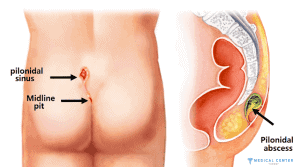
Pilonidal disease can significantly impact daily life, causing chronic pain, recurrent infections, and limitations in routine activities. Traditional treatments often involve prolonged healing and high recurrence rates, leaving patients frustrated. Fortunately, cleft lift surgery has emerged as a revolutionary solution, offering long-term relief and a faster, more comfortable recovery.
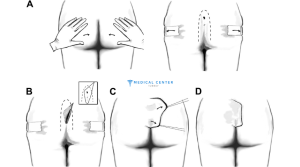
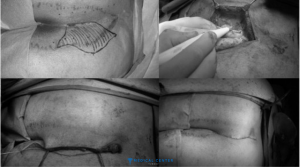
Advancements in medical techniques have made cleft lift surgery safer, more effective, and less invasive than ever. The procedure targets the root cause of pilonidal disease by reshaping the gluteal cleft to eliminate the conditions that promote infection. Unlike traditional methods that leave painful open wounds and require weeks of wound care, cleft lift surgery uses a fully closed incision, minimizing infection risk and shortening recovery time.
The surgery involves removing diseased tissue and repositioning the skin to reduce tension, friction, and moisture accumulation—the three main contributors to pilonidal disease recurrence. The outcome is a natural, healthier contour with a significantly lower chance of future flare-ups. With high success rates and minimal post-operative discomfort, cleft lift surgery is now regarded as the gold standard for treating pilonidal disease.
Turkey has become a leading destination for cleft lift surgery, offering world-class medical facilities, internationally accredited surgeons, and affordable care. Patients from abroad benefit from comprehensive consultation services, advanced surgical techniques, and comfortable recovery accommodations, ensuring a seamless and high-quality treatment experience.
Who Are the Ideal Candidates for Cleft Lift Surgery?
Pilonidal disease affects thousands of people worldwide, often causing significant discomfort and inconvenience. While some individuals can manage their condition with non-surgical treatments, many patients struggle with persistent recurrences that require a more definitive solution. In such cases, cleft lift surgery is the best option. The ideal candidates for cleft lift surgery are individuals who:- Experience frequent flare-ups or chronic pilonidal infections that do not respond to conservative treatments like antibiotics or drainage procedures.
- Have undergone previous surgeries (such as traditional excision or marsupialization) but continue to suffer from recurrences.
- Seek a quicker recovery time and minimal wound care, as cleft lift surgery ensures a closed incision and eliminates the need for prolonged dressing changes.
- Desire a more permanent solution, since cleft lift surgery has a much lower recurrence rate than traditional pilonidal cyst treatments.
What Are the Benefits of Cleft Lift Surgery for Individuals with a Cleft Condition?
Cleft lift surgery provides numerous advantages that make it the gold standard for treating pilonidal disease. One of the most significant benefits is the dramatically reduced risk of recurrence, which is a common issue with other surgical techniques. Patients also experience minimal postoperative pain and a much faster healing process, allowing them to return to their daily routines without prolonged downtime.
Unlike traditional methods that involve extensive wound care and dressing changes, the cleft lift technique promotes a more comfortable and hassle-free recovery. Additionally, the aesthetic outcome is superior, as the procedure creates a more natural gluteal contour. Turkey has gained international recognition for its expertise in cleft lift surgery, attracting patients from around the world with its state-of-the-art medical centers, highly trained surgeons, and patient-friendly recovery options.
You can easily request a personalized treatment plan and receive your free quote by clicking the image below.
What is the Typical Recovery Process After Cleft Lift Surgery, and How Long Does It Take?
One of the biggest concerns for patients considering any surgery is the recovery process. Fortunately, cleft lift surgery offers one of the smoothest and most patient-friendly recovery experiences available. Unlike older methods that require extensive wound care and months of healing, cleft lift surgery allows for a rapid and comfortable recovery. Most patients can:- Walk on the same day as the surgery, with minimal discomfort.
- Resume light activities within a few days and return to work or school within a week.
- Avoid lengthy wound care, as the incision is closed and requires only minimal dressing changes.
- Fully recover within 4-6 weeks, with a low risk of recurrence.
Are There Any Risks or Complications Associated with Cleft Lift Surgery?
While cleft lift surgery is one of the safest and most effective treatments for pilonidal disease, no surgical procedure is completely without risk. However, thanks to advancements in minimally invasive techniques and improved post-operative care, complications are rare and easily manageable. Potential risks may include:- Minor wound healing issues, such as slight separation at the incision site.
- Fluid accumulation (seroma), which can be drained easily if necessary.
- Infection, though this is highly unlikely with proper surgical techniques and post-operative care.