What is a hair transplant?
A hair transplant is a surgical procedure used to treat hair loss or baldness in both men and women. It involves removing hair follicles from one part of the body, typically a donor site on the scalp where hair growth is abundant (often the back or sides of the head), and then transplanting them to a recipient site with thinning or no hair.
Why does hair loss happen?
Hair loss can occur due to various factors, and the specific cause can differ from person to person. Some of the common reasons for hair loss include:Genetics
The most common cause of hair loss is hereditary androgenetic alopecia, also known as male pattern baldness or female pattern hair loss. Genetic factors and hormones influence it. In men, this type of hair loss typically starts with a receding hairline and thinning on the crown. At the same time, in women, it often leads to overall thinning of the hair.Hormonal Changes
Hormonal imbalances can lead to hair loss. For example, during pregnancy, childbirth, or menopause, women may experience temporary hair loss. In men, an excess of dihydrotestosterone (DHT), a hormone derived from testosterone, can contribute to hair loss.Age
As people age, the rate of hair growth slows down, and hair follicles may become smaller, leading to thinner and more fragile hair. This natural aging process can result in gradual hair loss. Medical Conditions: Certain medical conditions and illnesses can cause hair loss. These may include thyroid disorders, autoimmune diseases (e.g., alopecia areata), scalp infections, and conditions like trichotillomania (a compulsive hair-pulling disorder).Medications
Some medications, such as those used for cancer, arthritis, depression, heart problems, and high blood pressure, can have hair loss as a side effect.Stress and Trauma
Physical or emotional stress can lead to temporary hair loss. This condition is called telogen effluvium, where hair follicles enter a resting phase and eventually shed.Hairstyles and Hair Treatments
Certain hairstyles that pull the hair tightly (e.g., tight ponytails, braids) or hair treatments that involve harsh chemicals or excessive heat can cause hair breakage and damage, leading to hair loss.Nutritional Deficiencies
Inadequate intake of essential nutrients, particularly vitamins, and minerals like iron, zinc, and biotin, can impact hair health and contribute to hair loss. It's essential to identify the underlying cause of hair loss to determine the most appropriate treatment or management approach. Suppose you are experiencing significant hair loss or are concerned about it. In that case, it's best to consult a healthcare professional or a dermatologist for an accurate diagnosis and personalized advice.Who needs a hair transplant?
Hair transplant procedures are typically recommended for individuals with significant hair loss or baldness seeking a more permanent solution to restore their hair. The procedure may be considered for people who:- Have Androgenetic Alopecia. Also known as male pattern baldness or female pattern hair loss, this is the most common cause of hair loss and is often hereditary. Individuals with androgenetic alopecia may be good candidates for a hair transplant if they have stable hair loss patterns and enough donor hair available for transplantation.
- Hair transplantation can also be considered for individuals with thinning hair who desire a fuller and denser appearance.
- If hair loss results from injury, burns, or scarring from previous surgeries, a hair transplant can be used to restore hair in the affected areas.
- Have Hair Loss Due to Medical Conditions: Certain medical conditions or treatments, such as alopecia areata, may cause hair loss, and in some cases, a hair transplant may be an option for hair restoration.
- Trichotillomania is a disorder characterized by compulsive hair pulling, which can lead to hair loss. Sometimes, a hair transplant may be considered to restore hair in areas affected by this condition.
- Some individuals may have a naturally high or receding hairline and may choose to undergo a hair transplant to improve the appearance of their hairline.
What are the types of hair transplants?
There are two primary types of hair transplant procedures commonly performed:Follicular Unit Transplantation (FUT)
Also known as the strip method, FUT involves the surgical removal of a strip of skin from the donor area (usually the back or sides of the scalp) where hair growth is abundant. The strip is then dissected under a microscope to obtain individual hair grafts, each containing one to a few hair follicles. The grafts are then transplanted into tiny incisions made in the recipient area (the area with thinning or no hair). FUT leaves a linear scar at the donor site, which can be concealed by surrounding hair.Follicular Unit Extraction (FUE)
FUE is a more modern and less invasive hair transplant method. Individual hair follicles are extracted directly from the donor area using a small handheld punch-like instrument or a motorized extraction device. The extracted follicles are then transplanted into the recipient area using tiny incisions similar to FUT. FUE leaves small, dot-like scars at the donor site, less noticeable than the linear scar from FUT. Additionally, the wounds tend to heal and become less visible over time. Both FUT and FUE can yield excellent results when performed by skilled surgeons. The choice between the two methods depends on various factors, including the patient's hair loss pattern, the quality and quantity of the donor's hair, the surgeon's expertise, and the patient's preferences. Apart from FUT and FUE, there are also variations and hybrid techniques that some surgeons may use, such as:Robotic Hair Transplant (Robotic FUE)
In this method, a robotic system assists the surgeon in extracting hair follicles, improving precision and reducing the risk of human error.Direct Hair Implantation (DHI)
DHI is a specialized FUE technique where the extracted grafts are implanted directly into the recipient area without creating incisions beforehand.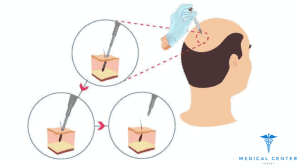
Sapphire FUE
This is a variation of the FUE method. The surgeon uses sapphire blades instead of traditional steel punches to create recipient sites, potentially leading to faster healing and more precise incisions. Regardless of the specific technique used, the overall goal of a hair transplant is to achieve a natural and aesthetically pleasing hair restoration for individuals experiencing hair loss or baldness. It's crucial to consult with a qualified and experienced hair transplant surgeon to determine the most suitable approach for individual needs and expectations.What are the cheapest countries for hair transplants?
The cost of hair transplant procedures can vary significantly depending on the country, the clinic's reputation, the surgeon's experience, and the specific technique used. Below you can find some of the countries known for offering relatively lower-cost hair transplant procedures compared to Western countries including:- Turkey has gained popularity as a medical tourism destination for hair transplants. Many clinics in Turkey offer competitive prices while maintaining high standards of care. The country has experienced and skilled hair transplant surgeons, making it an attractive option for those seeking affordable hair restoration.
- India is another country known for providing hair transplant procedures at a more affordable cost. India has many skilled doctors and modern clinics that offer quality services at lower prices compared to Western countries.
- Mexico is known for providing cost-effective hair transplant options, particularly for individuals from the United States and nearby countries. Many clinics in Mexico offer modern facilities and experienced surgeons.
- Some Eastern European countries, such as Hungary, Poland, and the Czech Republic, have been offering hair transplant services at lower costs than Western Europe.
Hair transplant in Turkey
Hair transplant in Turkey has become increasingly popular in recent years due to the country's reputation for offering high-quality procedures at more affordable prices compared to many Western countries. Turkey has emerged as a leading destination for medical tourism, attracting patients from various parts of the world seeking hair restoration. Advantages of getting a hair transplant in Turkey:Cost-Effective
Hair transplant procedures in Turkey are generally more cost-effective than in many Western countries, making it an attractive option for individuals seeking affordable hair restoration.Experienced Surgeons
Turkey has a large number of experienced and skilled hair transplant surgeons who have performed numerous procedures. Many of them are well-trained and have expertise in various hair restoration techniques.Modern Clinics
Turkey boasts numerous state-of-the-art clinics that offer advanced technology and modern facilities for hair transplant procedures.Large Number of Procedures
Due to the high demand for hair transplants in Turkey, clinics often perform a large number of procedures. This means that surgeons and medical staff have extensive experience in handling various hair loss cases.Package Deals
Many clinics in Turkey offer all-inclusive packages that cover the cost of the procedure, accommodation, transportation, and post-operative care, making it convenient for international patients. You can easily request a personalized treatment plan and receive your free quote by clicking the image below.