What areas of the body can benefit from fat injection procedures?
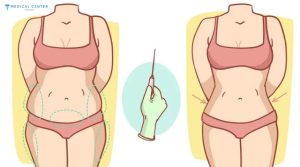
Fat injection, also known as fat grafting or fat transfer, continues to be one of the most popular and natural ways to add volume and smoothness to different parts of the body. Advancements in techniques have made this treatment even more precise, safe, and long lasting. One of the most common areas for fat injection is the face. Patients choose this method to restore volume in the cheeks, under the eyes, and around the mouth. It helps reduce signs of aging, improves skin texture, and provides a youthful, refreshed look without using synthetic fillers. Another popular area is the buttocks. The Brazilian Butt Lift (BBL) is a well known fat transfer procedure where fat is taken from one part of the body and injected into the buttocks to create a fuller, rounder shape. This procedure has become more refined and safer over the years. Fat injection is also widely used in the breast area for natural enhancement or correction after surgery. While it doesn’t replace breast implants for those looking for major size increases, it’s perfect for those who want a softer, more subtle change. The hands are another area that benefit from fat grafting. As we age, hands tend to lose volume, making veins and bones more visible. A small amount of fat can restore a youthful appearance. Scars or dents in the skin caused by injury or previous surgeries can also be treated using fat injections. This helps smooth the surface and improve overall skin quality. Fat injection procedures offer a natural way to enhance your appearance using your own body fat safely, effectively, and beautifully.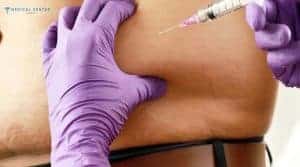
How long do the results of fat grafting typically last?
Fat grafting, also called fat transfer, is a widely used cosmetic procedure for restoring volume and enhancing body contours using your own fat. It’s popular because it gives natural looking results with a lower risk of allergic reactions. But one of the most asked questions is How long do the results last? The great news is that fat grafting offers results that can be long lasting and in many cases, even permanent. During the procedure, fat is gently removed from areas like the belly, thighs, or flanks, then carefully purified before being injected into target areas such as the face, breasts, buttocks, or hands.It's important to note that not all of the transferred fat will survive. On average, around 60% to 80% of the injected fat remains in place, while the body gradually absorbs the rest within the first few months after treatment. To achieve the best outcome, doctors often inject a little extra fat to balance out the expected absorption. Once the remaining fat cells are fully settled in their new location, they act just like natural fat which means they can last for many years, or even permanently. The first few weeks after the procedure are crucial. Swelling and minor bruising are normal. Results gradually become more visible as the swelling goes down usually within 2 to 3 weeks but the final results are best judged after 3 to 6 months. If desired, patients can have additional touch up treatments later on to enhance the outcome or maintain fullness, especially if a significant amount of fat was absorbed.To keep your results long lasting, avoid smoking, follow post procedure care instructions, and maintain a healthy weight. Gaining or losing too much weight can impact the transferred fat.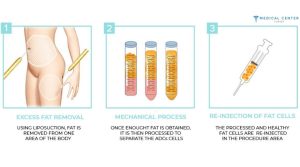
Is fat injection a safe and natural alternative to dermal fillers?
Fat injection also referred to as fat grafting or fat transfer has gained strong popularity in recent years, especially among those who want to restore volume in a natural and long-lasting way. As we move through 2025, more individuals are choosing fat transfer as an alternative to synthetic fillers, and it’s easy to understand why. This procedure is widely seen as both safe and natural, particularly when done by skilled professionals.That’s why it appeals to people looking for a more organic and biocompatible solution for facial or body enhancement.Unlike dermal fillers made from artificial materials like hyaluronic acid, fat transfer uses purified fat collected from areas such as the thighs, abdomen, or flanks. This fat is then injected into areas like the cheeks, lips, hands, breasts, or buttocks to improve contour, volume, and skin texture. A big advantage of fat injection is its long lasting effect. While fillers often dissolve within 6 to 18 months, fat cells that survive the transfer can last for several years or even permanently. Plus, you get the added benefit of reshaping the donor area through gentle liposuction.Most patients experience mild swelling or bruising, which usually fades within a few days. Proper care after the procedure also helps improve the results and recovery process. For those searching for a natural, biocompatible, and longer lasting alternative to traditional fillers, fat injection is a safe and effective option with results that not only look real but also feel real. If you’re considering cosmetic treatments but want to avoid synthetic materials, fat injection offers a trustworthy and natural path to rejuvenation. Since it uses your own body’s resources, the results tend to blend seamlessly with your natural features, giving you a refreshed and youthful appearance. Before deciding, it’s important to consult with a qualified specialist who can evaluate your goals and guide you through the process. Every patient is unique, and a personalized treatment plan ensures the best and safest outcome. If you want to get more detailed information about our packages related to this treatment, you can contact us. Just click on the link below.
What is the recovery process like after a fat transfer procedure?
Recovery after a fat transfer procedure is generally smooth and easy for most patients. Since the treatment involves removing fat from one area of the body and injecting it into another, it’s important to know what to expect during the healing process. Immediately following the procedure, you may notice some swelling, bruising, and mild soreness at both the donor site (where the fat was taken) and the recipient site (where it was injected). These side effects are normal and typically begin to improve within the first week. To speed up healing, applying cold packs and keeping the treated areas elevated can be very helpful in reducing swelling. Most patients can resume light daily activities within 3 to 5 days. However, it’s best to avoid intense physical activities, heavy lifting, or vigorous exercise for about 2 to 4 weeks. This rest period is crucial to allow the transferred fat cells to properly settle and integrate into their new location.Following your doctor’s post-procedure instructions closely is essential for a smooth recovery. Wearing compression garments on the donor area helps control swelling and supports the healing process. Additionally, keeping the injection sites clean and protecting them from direct sunlight will promote healthy skin recovery. Some patients may notice that some of the injected fat is gradually absorbed by the body during the first few months. This is a natural part of the process. Final results often become visible 3 to 6 months after treatment, once the swelling has fully gone down and the surviving fat cells have stabilized. Fat transfer recovery is usually comfortable with minimal downtime. With proper care and patience, most patients enjoy natural, long lasting improvements in volume and contour.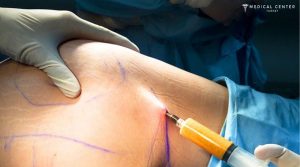
Can the injected fat be reabsorbed by the body over time?
Many people wonder if the fat injected during procedures like fat grafting or lipofilling stays permanently or if it gets absorbed back into the body. The short answer is yes, some of the injected fat can be naturally reabsorbed by the body over time. When fat is taken from one part of the body and injected into another, not all of it will survive the process. The survival rate of fat cells depends on several factors such as how carefully the fat is handled, the injection technique, and the area receiving the fat. The body treats this injected fat like any other tissue it needs a good blood supply to survive. Fat cells without enough blood flow can die and get absorbed by the body. Usually, about 60% to 80% of the injected fat cells survive and stay permanently in the treated area. The rest can shrink or disappear within a few months. This is why some patients may need more than one session to get the desired results. The body’s natural healing process gradually removes the fat cells that do not get enough nutrition. It’s important to understand that fat grafting is considered a safe and natural method for body contouring and facial rejuvenation. Since the fat comes from your own body, it reduces the risk of allergic reactions or rejection. However, the reabsorption rate varies from person to person based on individual metabolism, lifestyle, and the treated area. While injected fat can be reabsorbed over time, careful technique and post treatment care help maximize fat survival for long lasting, natural looking results. If you’re considering fat injection procedures, consulting with experienced specialists ensures you get the best outcome tailored to your needs.