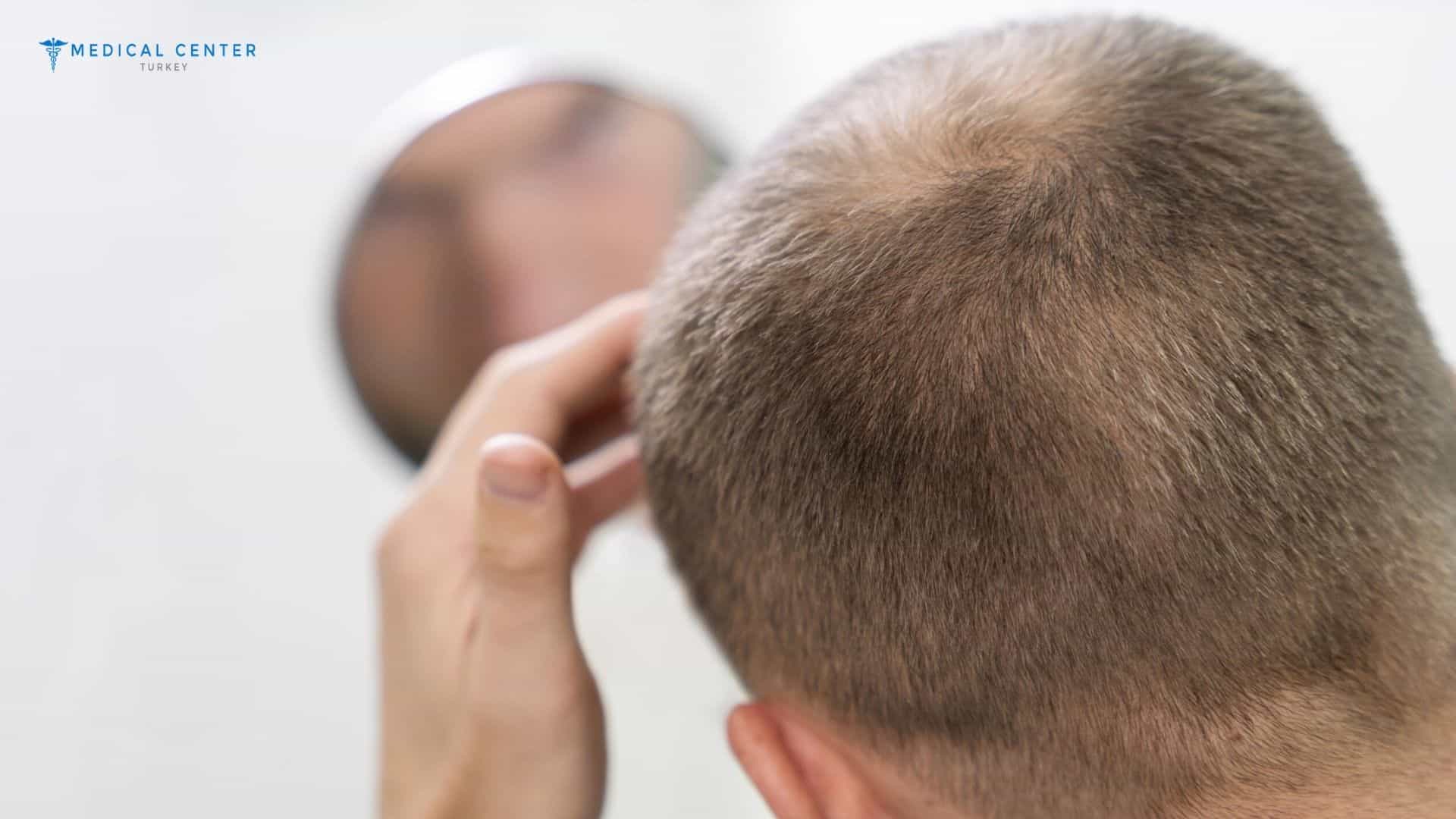
Hair Transplant Recovery Process and Care Tips
Hair Transplant Recovery Process and Care Tips is an article that aims to give you all the information you do not know about Hair Transplant Recovery Process and more. We kindly shared the main headings with you;
How long does the hair transplant recovery process take?
The hair transplant recovery process is one of the most common questions patients ask before treatment. While results improve over time, recovery happens in stages and is usually comfortable when proper care is followed.
First 7–10 days:
This is the most sensitive period of the hair transplant recovery process. Mild swelling, redness, and scabbing are normal. Patients are advised to rest, avoid touching the grafts, and follow washing instructions carefully. Most people can return to desk work within a few days.
Weeks 2–4:
Scabs fall off naturally, and the scalp starts to look more normal. During this stage, some transplanted hairs may shed. This is called shock loss and is a natural part of the hair transplant recovery process. It does not mean the transplant has failed.
Months 2–3:
The scalp is fully healed. New hair follicles remain under the skin and begin preparing for growth. Patients often feel relaxed at this stage, as daily life returns completely to normal.
Months 4–6:
New hair starts to grow slowly. The hair may appear thin at first, but density improves month by month. This stage is exciting, as visible results begin.
Months 9–12:
The hair transplant recovery process is mostly complete. Hair looks stronger, thicker, and more natural. Final results are usually seen around 12 months.
What should be avoided during the first week after a hair transplant?
The first week after a hair transplant is the most important time for healing. Hair grafts are still fragile, and small mistakes can affect the final result. Knowing what to avoid helps protect the transplanted area and supports healthy recovery.
Avoid Touching or Scratching the Scalp
During the first week after a hair transplant, itching may occur. Scratching, rubbing, or touching the scalp can dislodge grafts and slow healing. Hands should be kept away from the transplanted area at all times.
Avoid Heavy Exercise and Sweating
Intense physical activity increases blood pressure and sweating. Excess sweat can irritate the scalp and increase infection risk. Light walking is usually allowed, but gym workouts, running, and heavy lifting should be avoided during the first week after a hair transplant.
Avoid Direct Sun Exposure
Sunlight can damage sensitive skin and newly placed grafts. Patients should stay away from direct sun and avoid wearing tight hats. If going outside is necessary, loose and breathable headwear is recommended.
Avoid Alcohol and Smoking
Alcohol affects blood circulation and may increase swelling. Smoking reduces oxygen flow to hair follicles. Both can negatively impact the first week after a hair transplant and should be avoided to support graft survival.
Avoid Washing the Hair Incorrectly
Washing too early or using strong pressure can harm grafts. Only follow the washing instructions provided by your medical team. Gentle care is essential during the first week after a hair transplant.
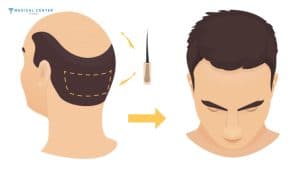
When can I wash my hair after a hair transplant?
Many patients wonder when they can wash hair after a hair transplant, and the answer is very important for a smooth recovery. Hair grafts are sensitive in the first days, so washing at the correct time helps protect them and supports healthy healing. In most cases, washing can start around 48 hours after the procedure, but it must be done gently and carefully.
When you wash hair after a hair transplant for the first time, strong water pressure should be avoided. The scalp may still be red and slightly swollen, which is normal. Gentle washing helps keep the area clean and reduces the risk of infection. Using lukewarm water and mild products is usually recommended to avoid irritation. Scratching or rubbing the scalp can damage grafts and should be avoided during this stage.
During the first week, light daily washing is often advised. This helps remove dried blood and soft scabs without harming the transplanted follicles. Many patients worry when they see small hairs falling during washing, but this is a normal part of the healing process and does not affect the final result. Being calm and patient while you wash hair after a hair transplant is key.
Hot water, hair dryers, towels, and strong shampoos should not be used in the early days. Letting the hair dry naturally is the safest option. After 7 to 10 days, most scabs fall off naturally, and washing becomes easier and more comfortable. Normal washing routines usually return gradually after this period.
Understanding when and how to wash hair after a hair transplant plays a big role in achieving natural, healthy, and long-lasting results. Proper washing supports recovery and helps new hair grow stronger over time.
If you want to get more detailed information about our packages related to this treatment, you can contact us. Just click on the link below.

Is swelling and redness normal after hair transplant surgery?
Many patients feel worried when they notice swelling and redness after hair transplant surgery, but these reactions are completely normal and expected. Hair transplant procedures involve small incisions on the scalp, so the body naturally responds with mild inflammation as part of the healing process. This means the skin is repairing itself and supporting new grafts.
Swelling and redness after hair transplant surgery usually appear within the first few days. Redness is more visible in the transplanted area, while swelling may occur on the forehead or around the eyes. This can look concerning, but it is temporary and often mild. Most swelling peaks within the first three days and slowly decreases after that. Redness may last longer, especially in patients with sensitive or fair skin.
The duration of swelling and redness after hair transplant surgery depends on several factors such as skin type, number of grafts, and individual healing speed. For many patients, swelling disappears within 3 to 5 days, while redness fades within 7 to 14 days. In some cases, light redness can remain for a few weeks but is easy to hide and does not affect hair growth.
Simple care habits can help reduce swelling and redness after hair transplant surgery. Keeping the head elevated while sleeping, drinking enough water, and avoiding alcohol and smoking support faster healing. Direct sun exposure and heavy physical activity should also be avoided during the early days.
It is important to remember that swelling and redness after hair transplant surgery are signs of recovery, not complications. As healing continues, the scalp returns to its natural appearance, and the focus shifts to healthy hair growth. With proper aftercare and patience, these early effects fade and make way for strong, natural-looking results.
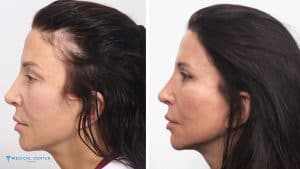
What are the best care tips to achieve natural and long-lasting hair transplant results?
Many patients believe that surgery alone guarantees success, but proper aftercare is the real key to natural and long-lasting hair transplant results. The healing period plays a major role in how strong, healthy, and natural the final outcome looks. Simple daily habits can make a big difference in protecting the transplanted hair.
Following medical instructions carefully is one of the most important steps toward natural and long-lasting hair transplant results. Washing the hair gently, avoiding scratching, and using only recommended products help the scalp heal correctly. Harsh shampoos, strong water pressure, and rough towel drying should be avoided, especially in the early weeks.
Lifestyle choices also directly affect natural and long-lasting hair transplant results. Smoking and alcohol reduce blood flow to hair follicles and can slow down recovery. A balanced diet rich in vitamins, protein, and water supports hair growth from the inside. Getting enough sleep allows the body to repair itself and strengthens new hair follicles.
Protecting the scalp from sun exposure is another important care tip. Direct sunlight can irritate sensitive skin and weaken new grafts. Wearing loose headwear when necessary and avoiding long hours in the sun helps maintain natural and long-lasting hair transplant results.
Patience is equally important. Hair growth happens gradually, and early shedding is a normal part of the process. Many patients feel anxious during the first months, but consistent care and realistic expectations lead to better outcomes. Touching or checking the transplanted area too often can harm fragile follicles.
If you want to get more detailed information about this surgery, just click on the link below. We are always ready to help you.