Why Early Cancer Screening Plays a Critical Role in Treatment Success
Why Early Cancer Screening Plays a Critical Role in Treatment Success is an article that aims to give you all the information you do not know about Cancer Screening and more. We kindly shared the main headings with you;
How does early cancer screening improve treatment success rates?
Early cancer screening plays a critical role in improving treatment success rates. When cancer is detected early, it is usually found before symptoms appear. This means the disease is often at a smaller size and has not spread to other parts of the body. As a result, doctors can start treatment sooner and more effectively.
One of the biggest advantages of early cancer screening is better treatment options. Early stage cancer often requires less aggressive treatment. In many cases, simple surgery or targeted therapy may be enough. This helps patients avoid heavy treatments like long term chemotherapy or radiation. Fewer side effects mean a faster recovery and better quality of life.
Early detection also increases survival rates. Studies show that cancers found at an early stage are much easier to treat successfully. The body responds better to treatment when the disease is limited. This gives patients a higher chance of long-term remission and survival.
Another important benefit of early cancer screening is cost effectiveness. Treating advanced cancer is more complex and expensive. Early screening helps reduce overall healthcare costs by preventing late-stage treatments and long hospital stays. This is beneficial for both patients and healthcare systems.
Regular cancer screening also gives peace of mind. People who follow screening recommendations feel more in control of their health. Early results allow doctors to monitor changes over time and act quickly if needed.
In conclusion, early cancer screening improves treatment success rates by finding cancer sooner, offering simpler treatments, reducing risks, and increasing survival chances. Regular screening is a powerful step toward protecting health and saving lives.
Which types of cancer benefit the most from early screening?
Early cancer screening makes a major difference for many cancer types. Some cancers grow slowly and stay silent for a long time. Screening helps detect these cancers before symptoms appear. Early detection allows faster treatment and better results.
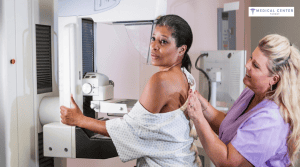
Breast cancer is one of the most common examples. Regular mammography can find small tumors early. When breast cancer is diagnosed at an early stage, treatment is simpler and survival rates are much higher. Many patients avoid aggressive therapies thanks to early screening.
Cervical cancer also benefits greatly from screening. Pap smears and HPV tests can detect abnormal cell changes before cancer develops. This makes cervical cancer one of the most preventable cancers. Early treatment often stops the disease completely.
Colorectal cancer is another type where early screening saves lives. Colonoscopy and stool tests help find polyps before they turn into cancer. When colorectal cancer is found early, surgery alone may be enough. Advanced cases are much harder to treat.
Prostate cancer responds well to early detection in many patients. PSA tests help identify changes early. This allows close monitoring or early treatment. Many men maintain a good quality of life with timely care.
Lung cancer screening is especially important for high risk individuals. Low dose CT scans can detect lung cancer at an early stage. Early diagnosis improves survival rates significantly compared to late stage detection.
In summary, cancers benefit from early screening when they are found before spreading. Breast, cervical, colorectal, prostate, and lung cancers show the strongest improvement with early detection. Regular screening remains one of the most powerful tools for successful cancer treatment.

Can early screening reduce the need for aggressive treatments like chemotherapy or surgery?
Early cancer screening can significantly reduce the need for aggressive treatments such as chemotherapy or major surgery. When cancer is detected at an early stage, it is usually smaller and limited to one area. This allows doctors to choose simpler and more targeted treatment options.
In early stage cancer, treatment often focuses on removing or treating the affected area only. Small tumors may be treated with minor surgery or localized therapies. In many cases, patients do not need intensive chemotherapy or long treatment cycles. This reduces physical stress on the body and shortens recovery time.
Another important benefit of early cancer screening is lower treatment risk. Aggressive treatments can cause strong side effects such as fatigue, nausea, hair loss, or long term health problems. Early detection helps doctors protect healthy tissues while focusing only on the cancer cells. Patients often maintain a better quality of life during and after treatment.
Early screening also allows doctors to monitor cancer more closely. Some early cancers grow very slowly. In these cases, active monitoring may be recommended instead of immediate aggressive treatment. This approach helps avoid unnecessary medical procedures.
At Medical Center, early cancer screening programs focus on timely detection and personalized care. Early diagnosis supports treatment plans that are less invasive and more effective. Patients benefit from a clear treatment path and faster healing.
In conclusion, early cancer screening plays a key role in reducing the need for aggressive treatments. By finding cancer early, patients may avoid chemotherapy, limit surgical intervention, and experience better overall outcomes. Regular screening remains a powerful step toward safer and more successful cancer care.

What symptoms are often missed without regular cancer screening?
Many cancer symptoms are easy to miss, especially in the early stages. Without regular cancer screening, these signs often go unnoticed because they feel mild or common. Most people connect them to stress, aging, or daily habits. Screening helps identify health changes before serious symptoms appear.
Unexplained weight loss is one of the most missed warning signs. Losing weight without diet or exercise may seem normal at first. Over time, it can signal changes inside the body. Regular cancer screening helps doctors notice this early.
Long lasting fatigue is another common symptom. Feeling tired for weeks may feel normal in a busy life. Cancer related fatigue does not improve with rest. Screening tests can help find the cause before the disease advances.
Changes in bowel habits are also often ignored. Ongoing constipation, diarrhea, or blood in stool may seem temporary. These signs can be linked to colorectal cancer when not checked early. Screening allows early action.
Small lumps or swelling are easy to overlook, especially when they are painless. Breast, neck, or testicular changes may grow slowly. Screening exams help detect these changes before they become serious.
Skin changes such as new moles or changes in color are commonly missed. Without screening, these signs may not seem important. Early skin checks help prevent advanced skin cancer.
At Medical Center, regular cancer screening focuses on early signs that are hard to notice. Professional screening programs help detect hidden symptoms and guide timely care.
In summary, regular cancer screening helps identify mild symptoms before they worsen. Early detection protects health, supports easier treatment, and improves outcomes. Listening to your body and staying consistent with screening saves lives.

How does early detection impact survival rates and quality of life?
Early cancer detection has a strong effect on both survival rates and quality of life. When cancer is found early, it is usually limited to one area. This makes treatment more effective and increases the chance of long term survival.
Survival rates are much higher when cancer is detected at an early stage. Small tumors respond better to treatment. The disease is less likely to spread to other organs. Doctors can act quickly and choose the most suitable treatment plan. Early treatment reduces complications and lowers the risk of recurrence.
Quality of life also improves with early cancer detection. Patients often need simpler treatments. Shorter treatment periods reduce physical and emotional stress. Many people continue their daily activities during treatment. This helps maintain independence and mental well being.
Early detection lowers the need for aggressive therapies. Less intensive treatment means fewer side effects such as pain, nausea, or extreme fatigue. Patients recover faster and return to normal life sooner. Emotional health remains more stable when the treatment process is manageable.
Another important benefit is early planning. Patients have more time to understand their condition and make informed decisions. Clear treatment paths reduce fear and uncertainty. Regular follow ups help track progress and support long term health.
Screening and early detection also reduce healthcare costs. Treating cancer at an advanced stage often requires complex procedures and long hospital stays. Early care focuses on targeted treatment and prevention of complications.
Early cancer detection supports longer life and better living standards. It helps patients stay active, confident, and hopeful. Regular screening remains one of the most effective ways to protect health and improve outcomes.
Who should start cancer screening early, and how often should it be done?
Early cancer screening is not only for older adults. Some people should begin screening earlier based on risk factors. Family history is one of the most important reasons. Individuals with close relatives who had cancer may face higher risk. Early screening helps detect changes before cancer develops.
People with genetic conditions linked to cancer should also start screening early. These conditions increase the chance of certain cancers at a younger age. Regular testing allows doctors to monitor health closely and act quickly when needed.
Lifestyle factors also matter. Smoking, heavy alcohol use, unhealthy diet, and low physical activity increase cancer risk. People with these risk factors may benefit from earlier and more frequent screening. Environmental exposure to chemicals or radiation can also raise risk levels.
Age plays a role in screening schedules. Many standard screenings begin between ages 40 and 50. High risk individuals may need screening much earlier. The exact starting age depends on personal and family medical history.
Screening frequency varies by cancer type. Some tests are done every year. Others are recommended every few years. Breast, cervical, colorectal, prostate, and lung cancer screenings all follow different timelines. A personalized plan offers the best protection.
Early cancer screening supports long term health. Regular testing helps detect silent changes before symptoms appear. Early action leads to simpler treatment and better outcomes.
Staying consistent with screening schedules is as important as starting early. Regular check ups create awareness and reduce uncertainty. Early cancer screening remains a key step in prevention, early treatment, and improved quality of life.