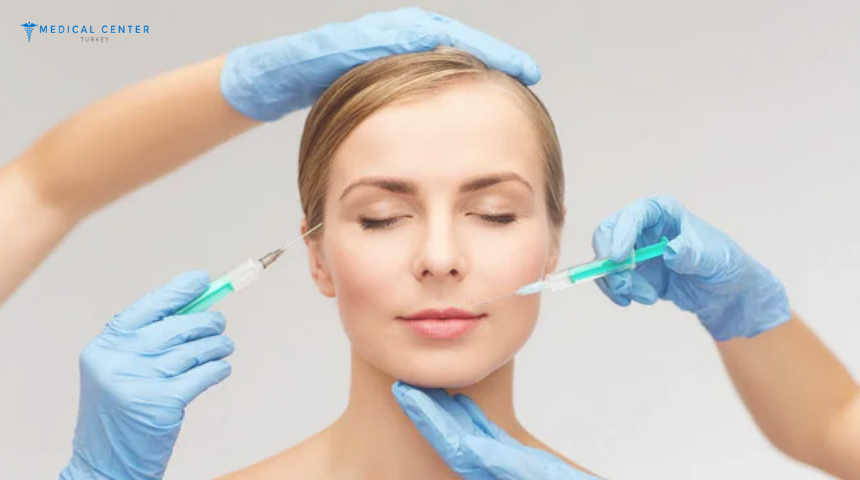
Surgical vs Non Surgical Rejuvenation in 2026
Surgical vs Non Surgical Rejuvenation in 2026 is an article that aims to give you all the information you do not know about Surgical vs Non Surgical Rejuvenation and more. We kindly shared the main headings with you;
How has technology in 2026 changed the balance between surgical and non-surgical rejuvenation?
The aesthetic world has entered a new era where technology redefines how patients approach rejuvenation. Surgical and non surgical options are no longer seen as opposites but as complementary choices shaped by innovation.
Surgical rejuvenation remains the strongest method for major transformations. Facelifts, eyelid corrections, or body contouring still provide the most permanent results when skin laxity and deeper structures are involved. Modern tools such as robotic assistance, advanced imaging, and improved healing techniques make these procedures safer. Scars are smaller, recovery is faster, and outcomes look more natural compared to older methods.
At the same time, non surgical rejuvenation has grown into a powerful alternative. AI supported lasers, ultrasound based tightening, and new generation injectables are able to deliver visible improvements with minimal downtime. Many patients prefer these options to refresh their look, especially when they want to avoid long recovery or surgery.
The choice between surgical and non surgical treatments now depends less on availability and more on personal goals. People who want subtle, natural changes often lean toward non invasive solutions. Those seeking dramatic, long term results still benefit from surgical procedures. In many cases, doctors combine both approaches to create balanced, personalized plans.
Technology has shifted the focus from choosing one path to blending methods. Surgical and non surgical rejuvenation no longer compete; instead, they work together to give patients more control, comfort, and confidence in their appearance.
Which option offers longer-lasting results: surgery or advanced non-surgical treatments?
When it comes to rejuvenation, one of the most common questions patients ask is about durability. People want results that not only look good but also last. Both surgical and non surgical rejuvenation can create impressive changes, yet the length of time results remain visible is not the same.
Surgical rejuvenation is generally the choice for those who want long term transformation. A facelift, eyelid surgery, or body contouring can deliver results that last for many years. Because these procedures correct deeper structures of the skin and underlying tissue, the improvements do not fade quickly. While aging continues, the changes achieved through surgery usually provide a more permanent foundation.
Advanced non surgical treatments, on the other hand, are designed to be less invasive and require little downtime. Modern injectables, energy based devices, and skin tightening systems can refresh the face and body with natural outcomes. These methods are ideal for people who want quick improvements, but the results are usually temporary. Depending on the treatment, effects may last from several months to a couple of years before maintenance sessions are needed.
The difference in longevity makes surgery a strong option for patients looking for dramatic, lasting change, while non surgical treatments are perfect for those who prefer subtle enhancements and flexibility. Many specialists today combine both approaches: surgery for long lasting structure, and non surgical methods for maintenance and touch ups.
The decision depends on personal goals, lifestyle, and expectations. For lasting impact, surgery holds the lead. For convenience and regular refreshment, advanced non surgical rejuvenation continues to be a popular choice.

Are non-surgical methods in 2026 finally able to replace facelifts and other invasive procedures?
The beauty industry is moving fast, and non surgical rejuvenation has become one of the most exciting areas of growth. Patients now ask if these modern methods can fully replace facelifts and other invasive procedures. At Medical Center, this is a common question during consultations, and the answer depends on individual goals.
Non surgical rejuvenation today is more advanced than ever. High tech lasers, ultrasound tightening, radiofrequency systems, and new generation injectables provide natural improvements without long recovery. These methods smooth fine lines, improve skin quality, and lift mild sagging. For people in their 30s, 40s, or those seeking a refreshed look, they often provide enough change to delay surgery.
However, facelifts and other surgical procedures still have a unique place. When skin laxity is severe or deeper tissues need correction, surgery remains the most effective solution. The results last longer, and the transformation is more dramatic compared to non surgical options. Non invasive methods cannot yet rebuild structure at the same level as surgery, but they are excellent for maintenance and prevention.
At Medical Center, many patients benefit from a combined approach. Surgery restores strong foundation when needed, while non surgical treatments help maintain results and keep the skin youthful. This balance offers the best of both worlds lasting correction with ongoing freshness.
Non surgical rejuvenation has not completely replaced invasive procedures, but it has changed the way people age. Instead of waiting for a big operation, patients can choose gradual improvements with regular touch ups. For the right person, this can be just as powerful as surgery, but for others, a facelift still provides results that no machine or injection can fully match.
You can easily request a personalized treatment plan and receive your free quote by clicking the image below.
What are the main risks and recovery differences between surgical and non-surgical rejuvenation today?
In 2026, patients seeking rejuvenation have more options than ever. One of the most frequently discussed topics at the Medical Center is the difference in risk and recovery between surgical and non-surgical options. Understanding these details helps patients make informed decisions about their treatment.
Surgical rejuvenation procedures such as facelifts and body contouring provide striking and long lasting results. However, surgery requires anesthesia, incisions, and a longer recovery period. Temporary swelling, bruising, and discomfort are common. There is also a risk of infection, scarring, or complications from anesthesia. On the positive side, advanced technology has reduced many of these concerns. Robotic precision, advanced surgical techniques, and improved recovery protocols make procedures safer and recovery faster than in the past.
Non surgical rejuvenation carries fewer risks and requires virtually no recovery time. Treatments such as ultrasound tightening, laser therapy, and injections allow patients to return to their daily lives almost immediately. The main side effects are usually mild redness, swelling, or temporary tenderness in the treated area. The biggest difference is durability: Surgery offers long-lasting results for many years, while non surgical methods may require maintenance sessions every few months or even every year.
At the Medical Center, specialists typically guide patients toward the approach that best suits their lifestyle and expectations. Those seeking rapid recovery and subtle changes often opt for non surgical rejuvenation, while patients seeking long term transformation may opt for surgery. In most cases, combining the two provides the most balanced results.
Technology has narrowed the gap between these two approaches, making both safer and more effective than ever.
How do costs compare in 2026, and is non-surgical really more affordable in the long run?
When patients consider rejuvenation, cost is often as important as the final result. Both surgical and non surgical treatments bring noticeable improvements, yet the way expenses build over time can be very different.
Surgical rejuvenation usually involves a higher upfront payment. Procedures such as facelifts or body contouring require anesthesia, operating rooms, and longer recovery periods, which increase the initial price. The benefit is durability. Once completed, results can remain visible for many years, sometimes close to a decade, reducing the need for frequent follow up sessions.
Non surgical rejuvenation seems more budget friendly at first glance. Treatments like injectables, laser resurfacing, or ultrasound-based skin tightening cost less per session and involve minimal downtime. This makes them attractive for patients looking for quick results without a large one-time expense. The main drawback is maintenance. Because these effects are temporary, repeat sessions are needed regularly to sustain the look. Over several years, the total cost can match or even surpass surgery.
With the innovations available by 2026, both approaches have become safer and more efficient. Still, the financial difference remains. Surgery is best viewed as a larger but long lasting investment, while non surgical treatments spread costs over time but require ongoing commitment.
For patients, the most affordable path depends on personal goals. Those who prefer subtle and flexible improvements may lean toward non surgical options, even if repeated. Others who want dramatic, enduring change often find surgery more cost effective in the long run.

Which approach is better for different age groups and skin conditions in 2026?
Choosing between surgical and non surgical rejuvenation often depends on age, skin quality, and personal goals. Both options can deliver impressive results, but the right choice is not the same for everyone.
For younger patients in their 20s and early 30s, non surgical treatments are usually enough. At this stage, the main focus is prevention and Choosing between surgical and non surgical rejuvenation often depends on age, skin quality, and personal goals. Both options can deliver impressive results, but the right choice is not the same for everyone.
For younger patients in their 20s and earlymaintenance. Injectables, light-based therapies, and skin tightening devices help reduce fine lines, boost collagen, and keep the skin looking fresh. Since recovery is minimal, these treatments fit easily into busy lifestyles.
In the 40s and 50s, skin begins to show deeper lines, loss of elasticity, and mild sagging. Non surgical methods can still provide visible improvement, especially when combined such as fillers with laser resurfacing or ultrasound tightening. However, for some individuals, surgery becomes the more effective option. Procedures like eyelid correction or a mini facelift can restore youthful contours more dramatically than non invasive solutions alone.
For patients over 60 or those with significant skin laxity, surgical rejuvenation generally offers the best results. A full facelift or other corrective procedures address deeper structures that non surgical methods cannot fully improve. Still, many patients choose to combine surgery with non surgical maintenance treatments afterward, creating a balanced and long lasting outcome.
Skin condition also plays a big role. Someone with mild sun damage may benefit from lasers and injectables, while another with severe sagging may require surgery for real transformation.
The best approach is personalized. Surgical rejuvenation provides structural change, while non surgical treatments keep the skin healthy and refreshed. When chosen according to age and condition, both can deliver natural and satisfying results.
You can always contact us to get more detailed information about this article and share your questions about our treatment methods. Just click on the link below.