Is Tattoo Removel Permanent?
Is Tattoo Removel Permanent is an article that aims to give you all the information you do not know about Is Tattoo Removel Permanent and more. We kindly shared the main headings with you;
Is tattoo removal really permanent, or can the tattoo come back over time?
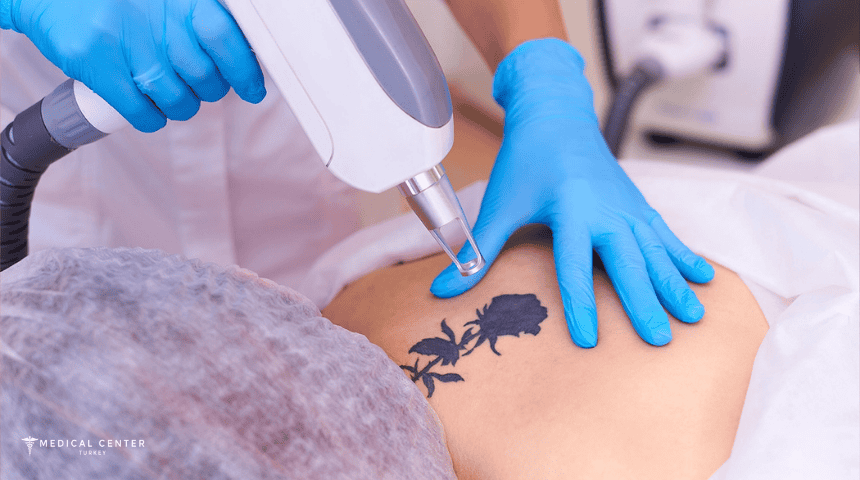
Tattoo removal is considered permanent, but the final result depends on several important factors. Modern laser tattoo removal works by breaking the ink particles into very small pieces. After this process, the body’s immune system slowly removes these particles over time. When the treatment is done correctly and enough sessions are completed, the tattoo does not come back.
However, many people think their tattoo has returned when they notice faint shadows or light pigment after treatment. This is usually not a real comeback. It often happens because some ink particles were very deep in the skin or the tattoo was very dark and dense. With additional sessions, these remaining pigments can also fade more.
Another reason people ask this question is something called ink oxidation. Certain ink colors, especially cosmetic or light inks, can look darker for a short time after laser treatment. This change is usually temporary and does not mean the tattoo is permanent again.
The success of permanent tattoo removal also depends on the ink color, tattoo age, skin type, and location on the body. Older tattoos are usually easier to remove because the body has already broken down some ink naturally over the years. Tattoos on areas with good blood circulation respond better as well.
It is important to understand that tattoo removal is a process, not a single treatment. Skipping sessions or stopping early may leave visible ink behind. This can make people think the tattoo came back, when in reality it was never fully removed.
In conclusion, tattoo removal can be permanent when performed with the right technology and treatment plan. The tattoo does not grow back on its own. Proper care, patience, and professional laser treatment are the key to long-lasting and satisfying results.

Does laser tattoo removal completely erase all ink colors?
Laser tattoo removal is a powerful and effective treatment, but it does not affect every ink color in exactly the same way. The laser targets tattoo pigment by sending energy into the skin. This energy breaks the ink into very small particles, which the body then removes naturally. How well this works depends largely on the color of the ink.
Black ink responds the best to laser tattoo removal. It absorbs laser energy easily, so it usually fades faster and more evenly. Dark blue and dark purple inks also show strong results. Many patients at Medical Center notice visible fading of dark colors after only a few sessions.
Lighter and brighter colors are more complex. Green and teal inks can still respond well, but they often need more treatments. Red ink usually fades slower and requires careful laser settings. Yellow, white, and pastel colors are the most difficult because they reflect light instead of absorbing it. These colors may fade partially rather than disappear completely.
Another factor is how deep the ink was placed during tattooing. Professional tattoos often sit deeper in the skin, which can make color removal take longer. Older tattoos are usually easier to treat because the body has already broken down some of the pigment over time.
Modern laser systems allow specialists to use different wavelengths for different colors. This improves results for multi colored tattoos, but full removal still depends on the body’s healing process and consistency with sessions.
At Medical Center, laser tattoo removal plans are created based on ink color, skin type, and tattoo structure. This personalized approach helps achieve the best possible fading for each color.
In short, laser tattoo removal can erase most ink colors, but not all colors fade at the same speed or to the same level. With the right technology, experience, and patience, tattoos can become barely noticeable or fully removed in many cases.

How many sessions are usually needed for permanent tattoo removal?
The number of sessions needed for permanent tattoo removal is different for each person. In most cases, laser tattoo removal requires 6 to 10 sessions to achieve long lasting results. Some tattoos fade faster, while others need more time and care. The goal is to break the ink slowly so the body can remove it safely.
Several factors affect how many sessions are needed. Ink color plays an important role. Black and dark blue ink usually fade quicker, so fewer sessions may be enough. Bright colors like red, green, or yellow often need additional treatments. Tattoo size and ink density also matter. Large or heavily inked tattoos take longer to clear.
The age of the tattoo is another key point. Older tattoos are often easier to remove because the body has already broken down some of the ink naturally. New tattoos usually need more sessions. Skin type and immune system strength also influence results, because the body removes the ink fragments after each session.
Laser tattoo removal sessions are spaced 6 to 8 weeks apart. This waiting time allows the skin to heal and the immune system to work. Trying to remove a tattoo too quickly does not improve results and can increase the risk of skin irritation.
At Medical Center, tattoo removal plans are created individually. Specialists examine the tattoo in detail and decide the best session number and timing. This personal approach helps patients reach permanent fading in a safe and controlled way.
It is important to know that stopping treatment early may leave visible ink behind. This does not mean the laser failed, it means the process was not completed. Permanent tattoo removal requires patience and consistency.
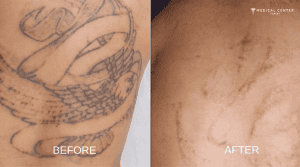
In general, most people see major fading after a few sessions and near complete removal after finishing the full treatment plan.
Can tattoo removal leave scars or permanent skin damage?
Tattoo removal is a common and safe procedure when done with the right technology and technique. Many people worry about scars or permanent skin damage, but in most cases, laser tattoo removal does not cause scarring. Modern laser systems are designed to target ink particles without harming the surrounding skin.
Temporary skin reactions are normal after treatment. Redness, mild swelling, and sensitivity can appear for a few days. These effects are part of the natural healing process and usually fade on their own. In some cases, small blisters or light scabbing may form. When proper aftercare is followed, the skin heals smoothly without marks.
Scarring is rare and usually linked to incorrect treatment settings, poor aftercare, or existing skin conditions. Scratching the treated area, exposing it to the sun, or removing scabs too early can increase the risk of skin damage. This is why post-treatment care is just as important as the laser session itself.
Another concern is skin color change. Some patients notice temporary darkening or lightening of the skin in the treated area. This condition is called hyperpigmentation or hypopigmentation. It is more common in darker skin tones, but it usually improves over time with proper care and sun protection.
Permanent skin damage is uncommon with professional laser tattoo removal. The laser energy focuses on ink, not healthy skin tissue. When sessions are spaced correctly and the skin is allowed to heal, long-term damage is unlikely.
In summary, tattoo removal does not normally leave scars or permanent skin damage. Choosing a professional treatment plan, following aftercare instructions, and being patient with the process help protect the skin and support healthy healing.

Does the age, size, or location of a tattoo affect how permanent the removal is?
Yes, the age, size, and location of a tattoo all play an important role in how permanent and successful tattoo removal can be. Laser tattoo removal works by breaking ink into small particles, and the body removes these particles over time. How easily this happens depends on several tattoo-related factors.
The age of the tattoo is one of the most important elements. Older tattoos are usually easier to remove. Over the years, the body naturally breaks down some of the ink, so less pigment remains in the skin. New tattoos often contain dense, fresh ink, which means more sessions may be needed for long-lasting removal.
The size of the tattoo also affects the process. Small tattoos are quicker to treat and often need fewer sessions. Large tattoos cover more skin and hold more ink, so the body needs more time to clear the pigment. This does not mean large tattoos cannot be removed permanently, only that patience is required.
The location of the tattoo is another key factor. Tattoos on areas with strong blood flow, such as the chest, arms, or upper back, usually fade faster. Good circulation helps the immune system remove ink particles more effectively. Tattoos on areas like the ankles, hands, or feet may take longer because blood flow is lower in these regions.
Skin type and personal healing response also influence results, but age, size, and location guide how the treatment plan is shaped. Sessions are spaced to allow proper healing and gradual fading.
In short, these factors do affect how permanent tattoo removal can be, but they do not prevent success. With the right treatment approach and enough time, tattoos of different ages, sizes, and locations can fade significantly or be fully removed.