The Ultimate Guide to Recovery After Breast Augmentation in Turkey
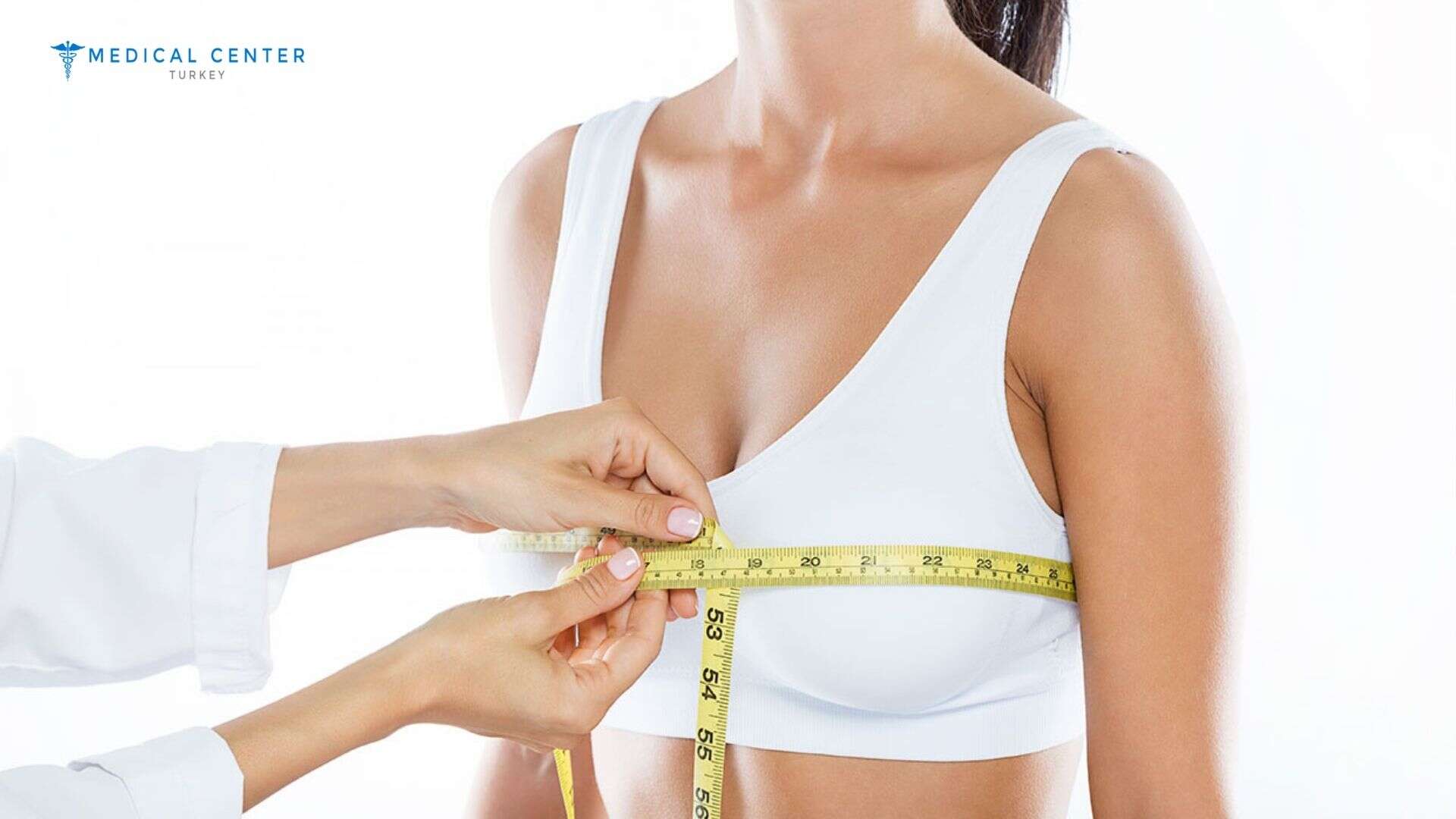
The Ultimate Guide to Recovery After Breast Augmentation in Turkey is an article that aims to give you all the information you do not know about The Ultimate Guide to Recovery After Breast Augmentation in Turkey and more. We kindly shared the main headings with you;
What is the typical recovery timeline after breast augmentation surgery in Turkey?
The recovery period after breast augmentation surgery in Turkey has become smoother and more manageable thanks to modern surgical methods and improved post-operative care. Although healing times can differ depending on age, overall health, and the procedure details, most patients experience a similar recovery pattern that progresses over several weeks.
In the first days following surgery, it’s normal to experience swelling, bruising, and mild chest discomfort. This early phase typically lasts about 1–2 weeks, and rest plays a key role in healing. During this time, strenuous movements, lifting heavy objects, and excessive arm activity should be avoided. Surgeons usually recommend wearing a supportive post-operative bra to control swelling and help maintain implant position.
By the second week, many patients feel well enough to return to daily routines or desk-based work, but intense physical activity should still be avoided. Light activities can be introduced gradually after 3–4 weeks, while heavy lifting and high-intensity workouts are generally postponed for 4–6 weeks to allow the body time to adjust properly.
Around 6–8 weeks post-surgery, most implants settle into their natural shape and position. However, final results often continue to improve over the next 3–6 months as tissues fully heal and the breasts soften. During this period, regular follow-up appointments help monitor progress and ensure the best long-term outcome.
By following medical guidance and allowing the proper time for recovery, patients can enjoy a comfortable healing experience and satisfying results from breast augmentation in Turkey.

How can I manage pain and discomfort during the recovery process after breast augmentation?
Pain and discomfort are normal during the recovery process after breast augmentation, but modern techniques have significantly reduced the intensity and duration of these sensations. Managing post-surgery discomfort effectively can help you feel more at ease during your healing journey.
Right after the surgery, you may experience swelling, bruising, and tightness in the chest area. This is due to the body adjusting to the implants, and it is completely normal. In the first few days, the discomfort might be more pronounced, so your surgeon will prescribe pain medication to keep you comfortable. It’s essential to take your pain medications as directed and never exceed the recommended dose. If prescribed, antibiotics will help reduce the risk of infection during the recovery process.
In addition to medications, applying cold compresses to the breast area can provide relief. Ice packs or cold gel packs can help reduce swelling and numb the area, making it easier to tolerate discomfort. Just make sure to wrap the cold compress in a cloth to avoid direct contact with the skin, which could cause irritation.
A key component of post-surgery care is wearing a supportive bra or compression garment. This helps reduce swelling and provides support to the breasts, preventing unnecessary movement. These garments also help the implants settle into the correct position during the initial healing phase.
Sleeping in an elevated position during the first week of recovery can also minimize discomfort. Use pillows to prop yourself up, as sleeping on your back with your upper body elevated reduces pressure on the chest area. Avoid sleeping on your stomach or side for at least 3-4 weeks, as this can put unnecessary strain on the implants.
Most patients notice a significant reduction in pain and swelling by the second week, and by 4-6 weeks, the discomfort usually subsides considerably. By following your surgeon’s instructions and taking the necessary steps to care for your body during recovery, you can ensure that your healing process is as smooth and pain-free as possible.
What are the most common complications or risks during recovery after breast augmentation?
While breast augmentation is considered a safe procedure, like any surgery, there are some risks and complications that patients should be aware of. In 2026, advances in surgical techniques and post-operative care have significantly reduced the likelihood of these issues, but it is still important to be informed and proactive about your recovery.
The most common complication after breast augmentation is infection. While infections are rare, they can occur if proper aftercare isn’t followed, or if bacteria enters the surgical site. To reduce this risk, it’s important to follow all hygiene instructions, including keeping the surgical site clean and dry, taking prescribed antibiotics as directed, and avoiding touching the incision area with unclean hands.
Another potential complication is bleeding or hematoma, which can occur if blood pools in the breast area. If bleeding continues after surgery or the hematoma becomes large, additional medical intervention may be required. This can typically be prevented by avoiding physical exertion and following post-surgery guidelines to avoid pressure or strain on the chest.
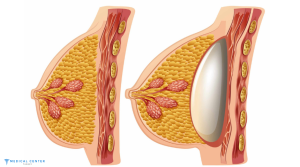
Capsular contracture is another risk, which occurs when the tissue around the implant hardens and squeezes it. This can result in breast firmness, distortion, and discomfort. In rare cases, surgery may be needed to correct this condition. Newer implant materials and techniques, including textured implants, have been designed to reduce the risk of capsular contracture.
Additionally, changes in nipple sensation are common, as the nerves in the breast area may be affected during surgery. This can lead to temporary numbness or heightened sensitivity, but it typically resolves within several months.
Although these risks are low, patients must follow their surgeon’s aftercare instructions, attend follow-up appointments, and immediately report any signs of infection, unusual swelling, or changes in breast shape. In Turkey, medical centers with internationally recognized standards ensure a high level of care, significantly minimizing the chances of complications during recovery.
You can easily request a personalized treatment plan and receive your free quote by clicking the image below.
How can I ensure optimal results and support my healing process after breast augmentation surgery?
To achieve the best possible results and support your healing process after breast augmentation, it is essential to follow your surgeon’s instructions carefully and take a proactive approach to your post-operative care. Your results will be influenced by your actions during the recovery phase, as well as the level of care and discipline you commit to.
The most crucial step is adhering to the post-operative instructions provided by your surgeon. These instructions typically include wearing a supportive surgical bra or compression garment to help reduce swelling and ensure proper positioning of the implants. The garment will also minimize the risk of movement and provide extra support to your chest, which is vital for healing.
It’s essential to avoid strenuous physical activities and exercises, particularly those that involve the chest area. Lifting heavy objects or engaging in high-impact exercise can place undue pressure on your implants, potentially leading to complications or disrupting the healing process. Most patients are advised to avoid such activities for 4-6 weeks, after which you can gradually return to your normal fitness routine.
Another important aspect of optimal healing is maintaining a healthy diet. Eating a well-balanced diet rich in vitamins, minerals, and protein can help promote faster healing and reduce swelling. Staying hydrated is equally important, as water helps flush toxins from the body and supports tissue repair.
Smoking and drinking alcohol should be avoided during the recovery process, as these habits can interfere with healing and increase the risk of complications. Smoking, in particular, slows circulation and affects the body’s ability to heal, while alcohol can dehydrate the body and cause swelling.

Are there any lifestyle or activity restrictions during the recovery period after breast augmentation?
Yes, there are several lifestyle and activity restrictions during the recovery period after breast augmentation surgery to ensure that you heal properly and avoid complications. Your surgeon will provide a detailed set of instructions tailored to your specific case, but there are some general guidelines that apply to most patients.
The most important restriction during the early stages of recovery is to avoid any activities that may put stress on the chest or involve heavy lifting. For the first 4-6 weeks, you should refrain from lifting anything heavier than 5-10 pounds and avoid any exercises that engage the chest muscles, such as weightlifting, push-ups, or high-impact activities like running or jumping. Strenuous exercise can cause pressure on the breast area and interfere with the healing process, potentially shifting the implants or causing complications.
During the first couple of weeks, you should also avoid sleeping on your stomach or side, as this could put pressure on your implants. It’s best to sleep on your back with your upper body elevated using pillows. This position helps reduce swelling and minimizes the risk of shifting the implants while you sleep.
For the first few weeks, it’s also essential to avoid activities that may cause trauma or injury to the breast area. These could include contact sports, stretching, or any movements that may cause the chest to jolt or strain.
In addition to physical activity restrictions, you should avoid smoking and drinking alcohol, as both can hinder the healing process. Smoking, in particular, reduces circulation, making it harder for your body to recover after surgery.
By carefully following your surgeon’s instructions, avoiding unnecessary stress on the body, and prioritizing rest, you will ensure a smoother recovery and achieve the best possible results. Turkey offers top-tier medical care with experienced surgeons who provide detailed guidance throughout the recovery period, ensuring that you feel supported every step of the way.
For more detailed information and to inquire about anything you are curious about, feel free to contact us anytime. Click the link below to get in touch with our team.